
SXSW 2026 Recap
The Films That Hit, The Ones That Didn’t,
and the Seven I Haven’t Stopped Thinking About
By MIGUEL MATEO | MARCH 20, 2026
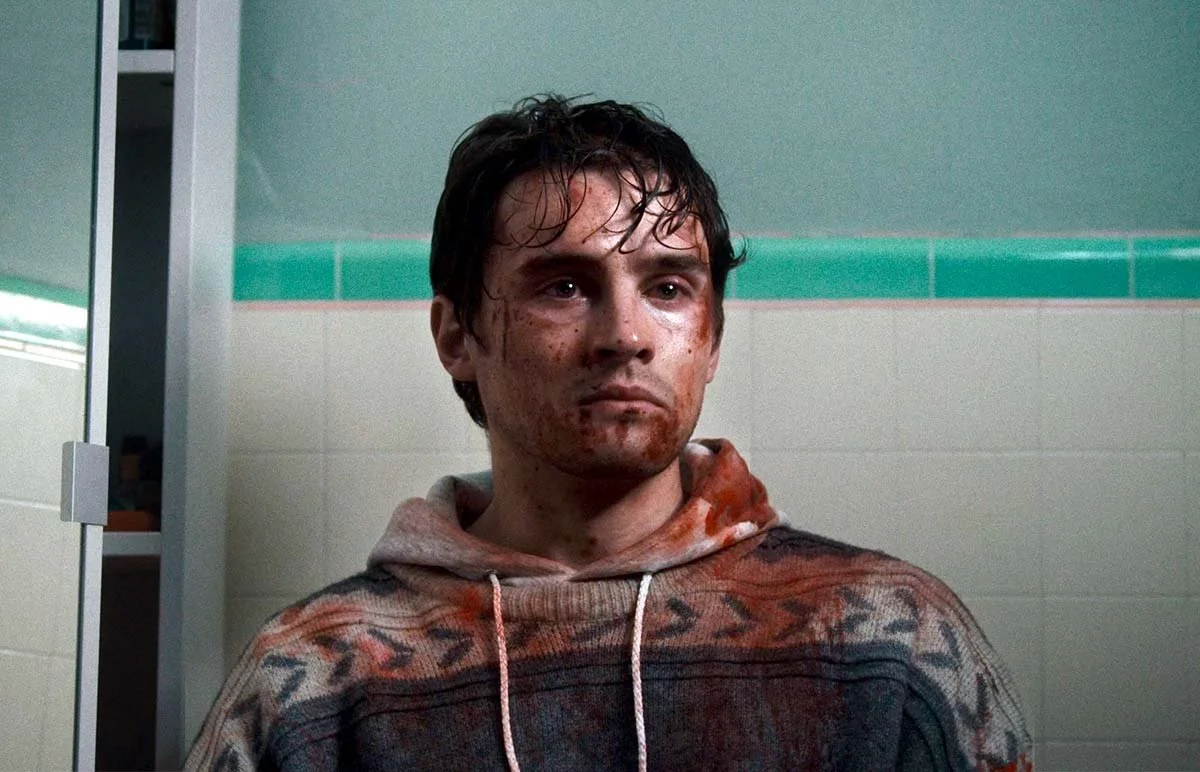
There’s something about SXSW that just hits differently. A lot of festivals talk about discovery, about community, about being a reflection of the culture around them. SXSW actually feels like it lives inside that culture. It’s not separated from Austin, it’s embedded in it. The films, the people, the conversations, they all bleed into the city itself. You walk out of a screening and straight into a bar where people are already debating what you just saw. That line between festival and real life basically disappears.
And what makes SXSW so special is that it belongs in the same conversation as festivals like Sundance Film Festival and Tribeca Film Festival, not just because of the films they premiere, but because of how deeply they’re plugged into their environments. Sundance has that unmistakable identity tied to Park City, that sense of being tucked away but creatively buzzing. Tribeca feels inseparable from New York, shaped by the city’s energy, its pace, its perspective. SXSW does that too, just in its own way. It taps directly into Austin’s personality, its creativity, its weirdness, its openness to experimentation, and you feel that in the programming.
More than anything, SXSW is where genre thrives. It’s one of the few major festivals where horror, comedy, thrillers, and hybrid films aren’t just side attractions, they’re center stage. There’s a willingness here to embrace films that take risks, that might not fit cleanly into traditional prestige boxes. And because the audience is so game, so ready to go along for the ride, those risks often pay off in a big way.
That’s why it’s one of my favorite festivals. Not just for what it shows, but for how it feels. It’s alive in a way that’s hard to replicate, and when a film hits here, it hits with a kind of immediacy you don’t always get elsewhere.
This year was a perfect example of that. A few films didn’t quite come together, but the ones that did reminded me exactly why SXSW remains a festival gem.
The Disappointments
Hokum
I keep coming back to this one because it’s so close to being something great. It has the visual language of a classic horror film, the kind that should leave you sitting in discomfort long after scenes end. The problem is, that feeling never actually arrives. The tension feels designed rather than lived-in, like it’s checking boxes instead of letting the unease naturally build. Watching it again only reinforced that feeling. It’s not bad, it’s just… missing something intangible. And when a film this polished feels hollow, that absence becomes the only thing you can focus on.
I Love Boosters
There’s a version of this that fully commits to its chaos and becomes something special. Instead, it keeps shifting tones in a way that makes it feel like multiple films fighting for control. I appreciated the eccentricity, especially early on, but the back half starts to lose its grip. LaKeith Stanfield is operating on a completely different wavelength in the best way possible, stealing scenes with a performance that feels sharp and intentional. Keke Palmer, meanwhile, feels stuck in a role that never quite lets her break through. The supporting cast elevates it, but the film itself never finds its center.
Beast Race
This is the definition of a film that moves without saying much. It’s constantly in motion, but it never slows down enough to let anything land. You keep waiting for it to reveal something deeper about its world or its characters, but it stays at a surface level the entire time. It’s watchable, sure, but it doesn’t leave you with anything.
Campeón Gabacho
There’s real intention here, but the execution undercuts it. The storytelling feels scattered, and when it pushes for emotional impact, it does so a little too forcefully. You can see what it’s aiming for, but instead of earning those moments, it leans on them. That disconnect makes it hard to fully invest.
My Top 7 Films of SXSW 2026
7. The Snake
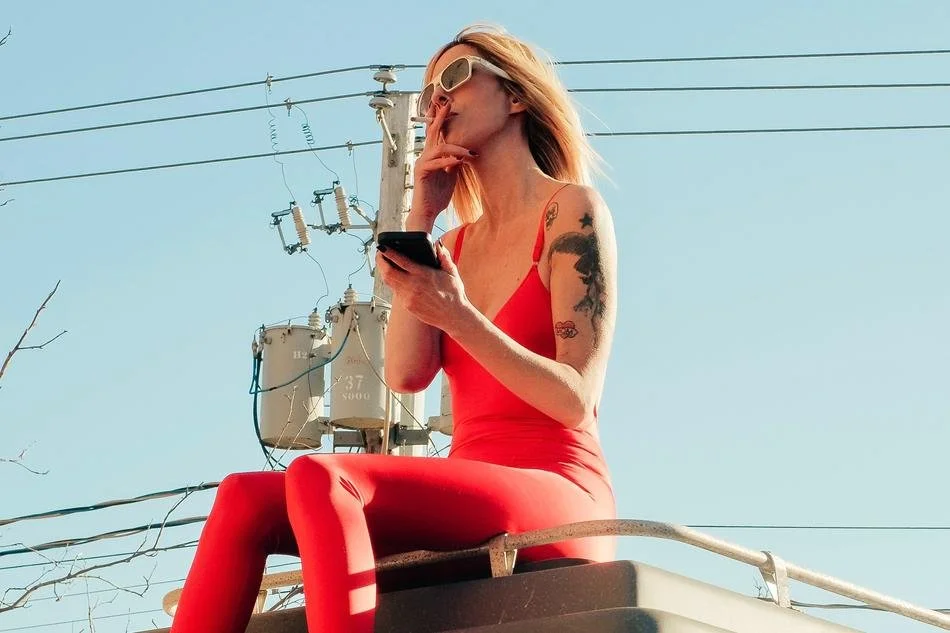
What really stayed with me here is the lead performance by Susan Kent. The film itself is tightly constructed, but it’s the performance at the center that gives it weight. There’s a constant sense of internal tension, like you’re watching someone hold something back in every scene. It’s controlled in a way that feels deliberate, never tipping too far in any direction, which makes the moments where it does crack land even harder. The film works because that performance never lets you look away.
6. Kill Me
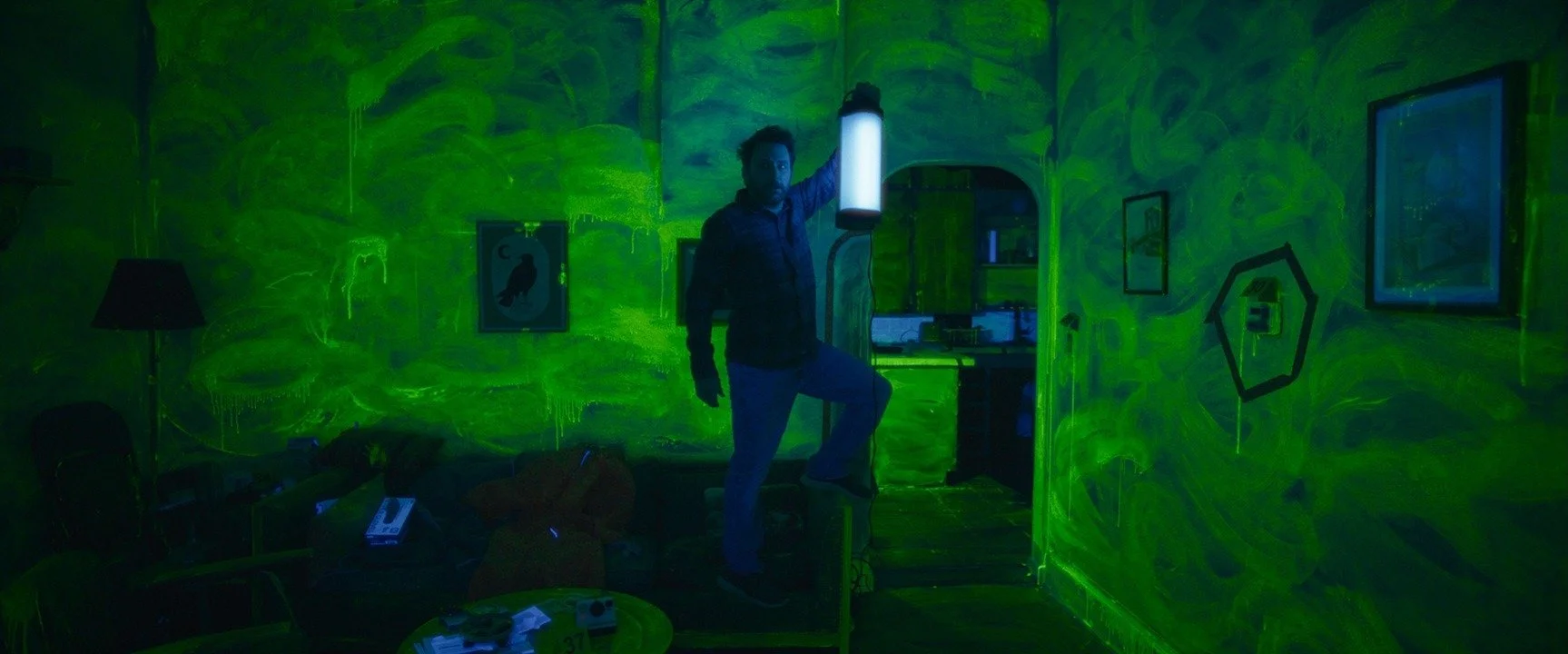
Peter Warren’s Kill Me shouldn’t work as well as it does given how it balances tone, but it somehow threads that needle perfectly. It’s a comedic murder mystery that leans fully into Charlie Day’s energy, but also expands it. This is still the chaotic, fast-talking Charlie Day we know, but there’s a vulnerability here that feels new. The film gives him space to stretch, and he takes full advantage of it. Allison Williams is exactly what you want her to be here, grounded, sharp, and consistently reliable. What surprised me most is how funny it is while still respecting the darker themes it’s playing with. It never turns the subject into a joke, which makes the comedy land even better.
5. Forbidden Fruits
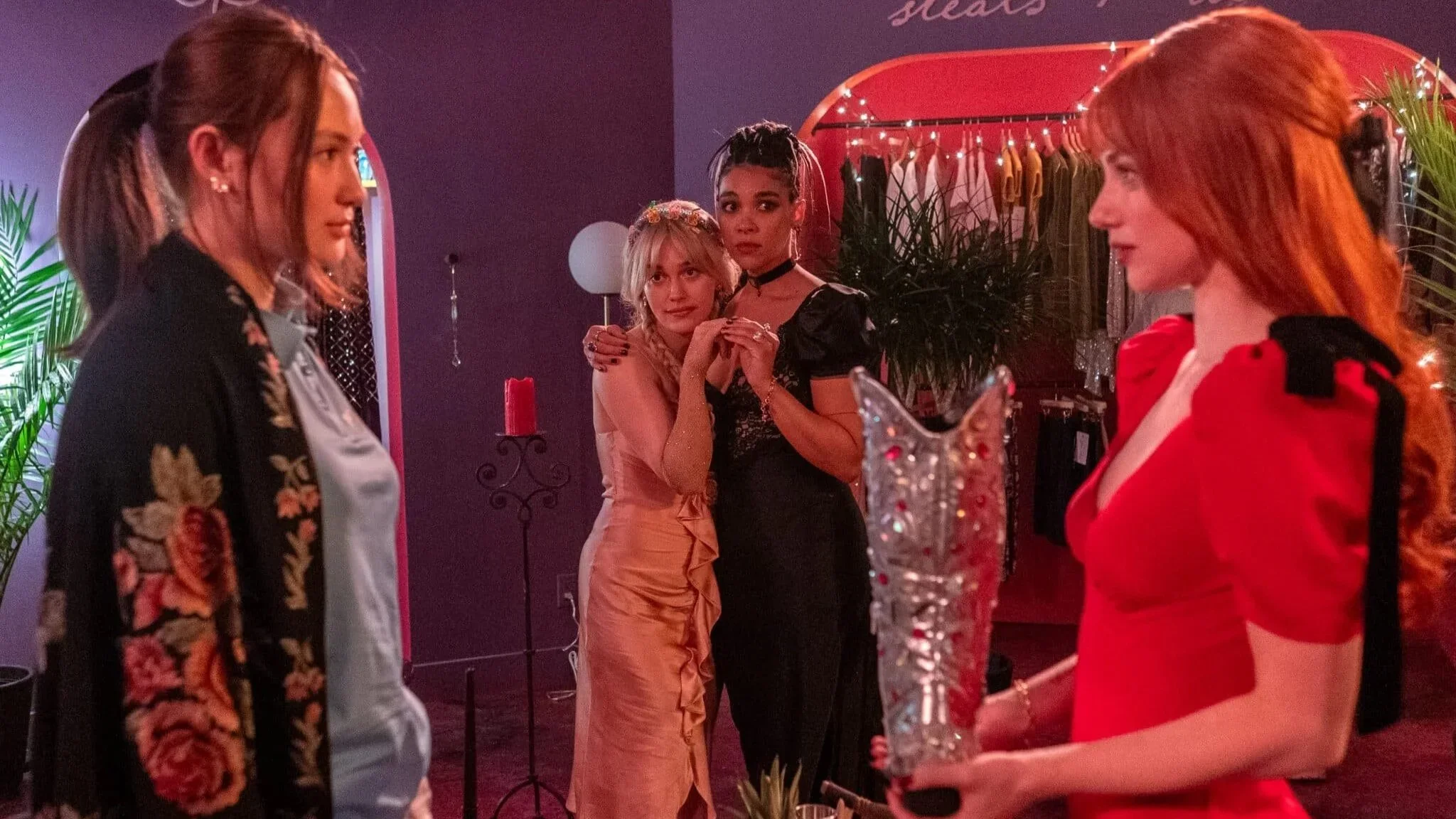
This is one of my favorite performances of the year so far, full stop. Lili Reinhart brings a level of emotional precision here that elevates the entire film. There’s something very controlled about what she’s doing, but you can feel everything underneath it. The film itself unfolds gradually, letting you sit with its characters rather than rushing to define them. It’s patient in a way that pays off, and her performance is the anchor that holds it all together.
4. Leviticus
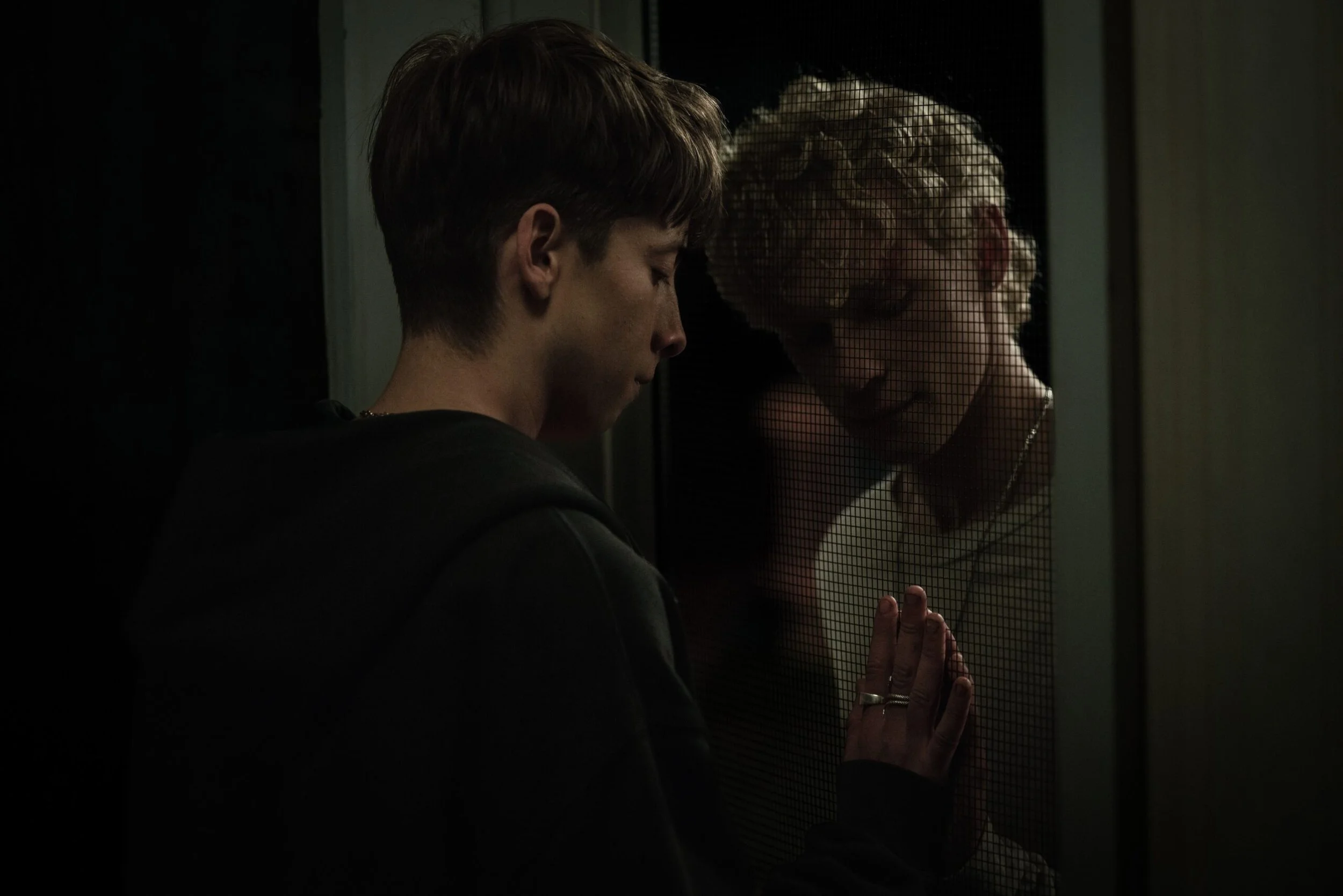
What makes Leviticus work is how seriously it takes its romance. It’s not using horror as a gimmick or backdrop, it’s fully integrated into the emotional core of the story. The relationship at the center feels intimate and lived-in, which makes the darker elements feel more invasive when they start to creep in. There’s a tenderness here that you don’t usually see in this genre, and that contrast between softness and unease is what gives the film its identity. It’s not just effective, it’s affecting.
3. Brian
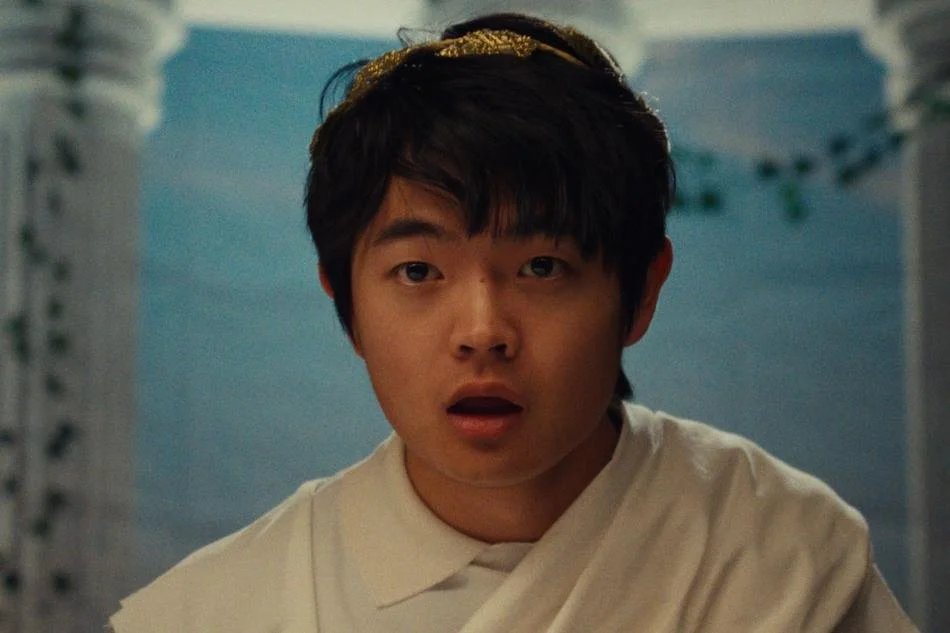
This one lives and dies on its lead performance, and thankfully, that performance delivers in a big way. There’s a restraint here that feels intentional, like every choice is being carefully measured. The film gives the character space to exist without over-explaining, and that allows the performance to breathe. By the time you get to the final stretch, everything that’s been held back starts to surface, and it hits hard. It’s the kind of performance that doesn’t announce itself, it reveals itself over time.
2. The Sun Never Sets
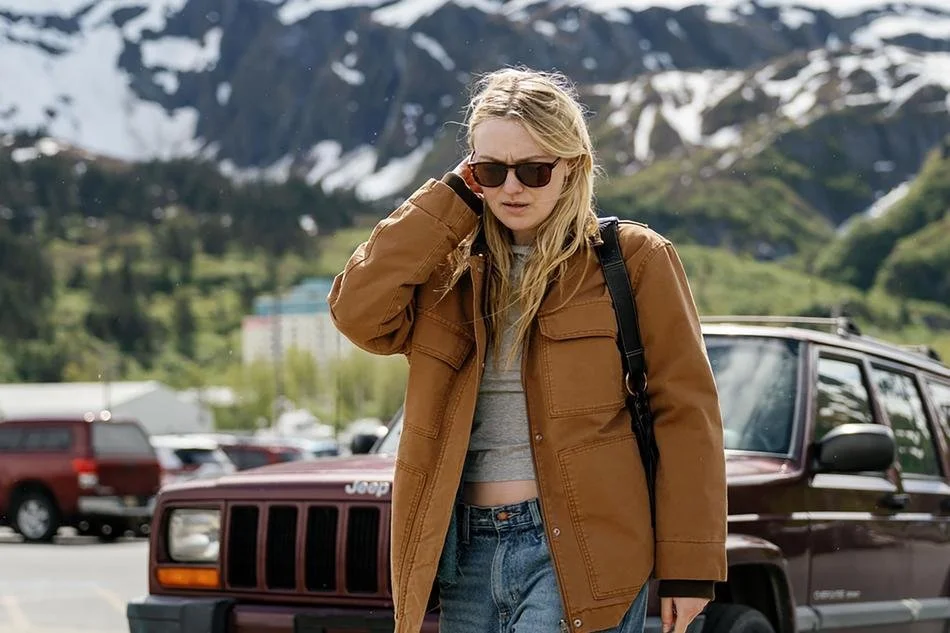
This is the kind of performance that should be in every awards conversation. Dakota Fanning is doing career-best work here, and it’s all in the nuance. There’s so much happening beneath the surface of her performance, small shifts, subtle reactions, the kind of choices that reward you for paying attention. And then you have Jake Johnson, who has genuinely never been funnier. The dynamic between them creates a love triangle that actually works, the kind that feels messy and complicated in a way that’s believable. It delivers on the emotional promise that so many films attempt and miss. This one gets it right.
1. Obsession
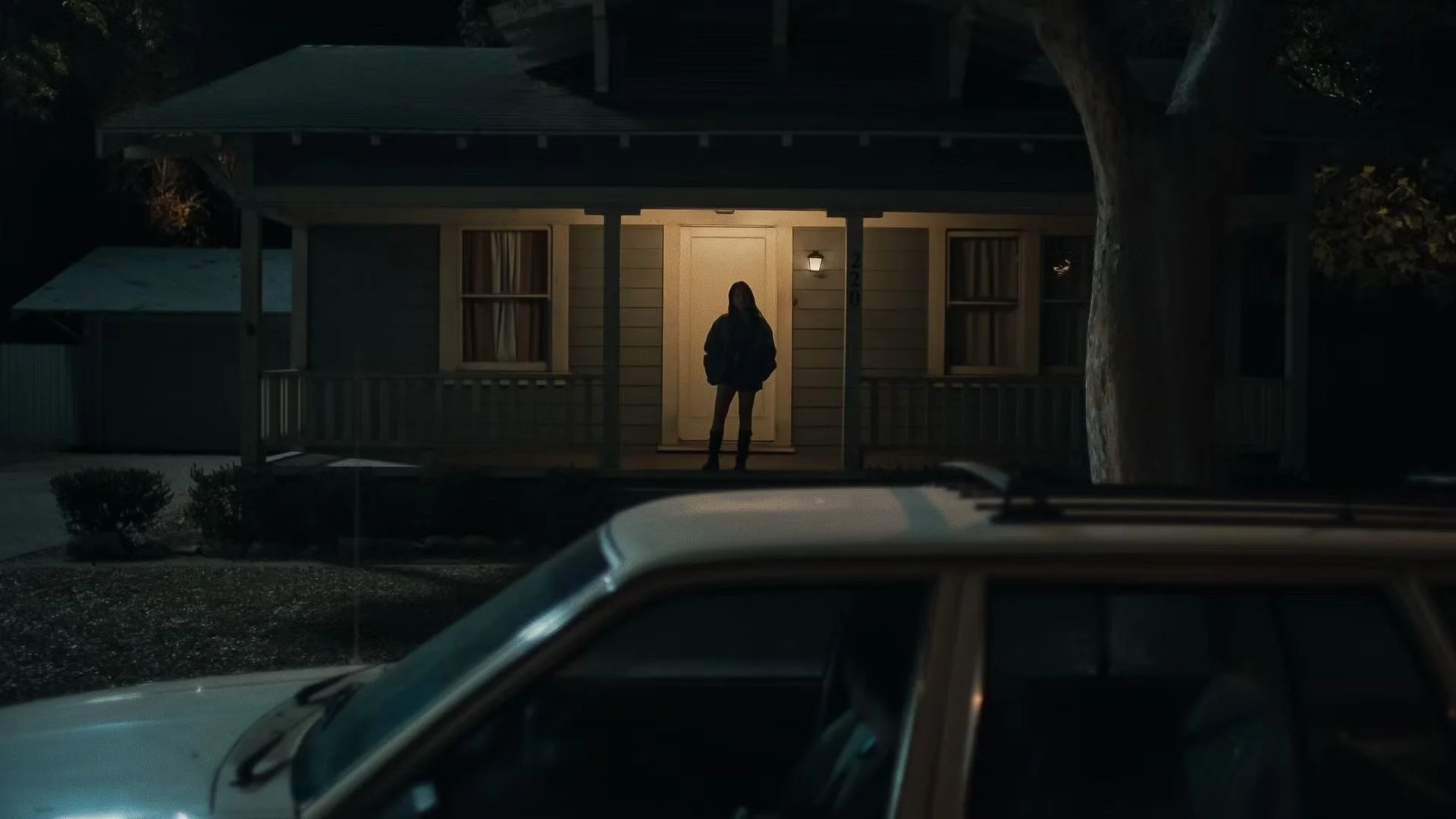
I really do think this is going to end up being the best horror film of the year. Obsession isn’t just effective, it’s relentless in how it pulls you in. It creates this constant sense of discomfort that never lets up, not through cheap tricks, but through how fully it commits to its perspective. There are moments that genuinely make you recoil, not because they’re shocking for the sake of it, but because they feel earned in the context of the story.
What really elevates it, though, is how expertly it handles tone. Curry Barker walks a razor-thin line between comedy and horror, and somehow never loses control of either. The humor doesn’t undercut the fear, it sharpens it. You’ll find yourself laughing in one moment and immediately feeling uneasy about why you’re laughing in the next. That balance is incredibly difficult to pull off, and he does it with a level of confidence that feels fully formed. It genuinely reminded me of how Zach Cregger approached tone in Weapons, where the shifts don’t feel like pivots, they feel like part of the same language.
It’s the kind of film where you almost don’t want to know anything going in, because discovering it in real time is part of what makes it hit so hard. This is the one I keep thinking about. The one that lingers.