
Marty Supreme Is the Ride of the Year - That Is Its Problem
Josh Safdie's latest never lets up, and that relentlessness is both its greatest achievement and the reason its emotional climax lands with a thud.
By MIGUEL MATEO | JANUARY 03, 2026
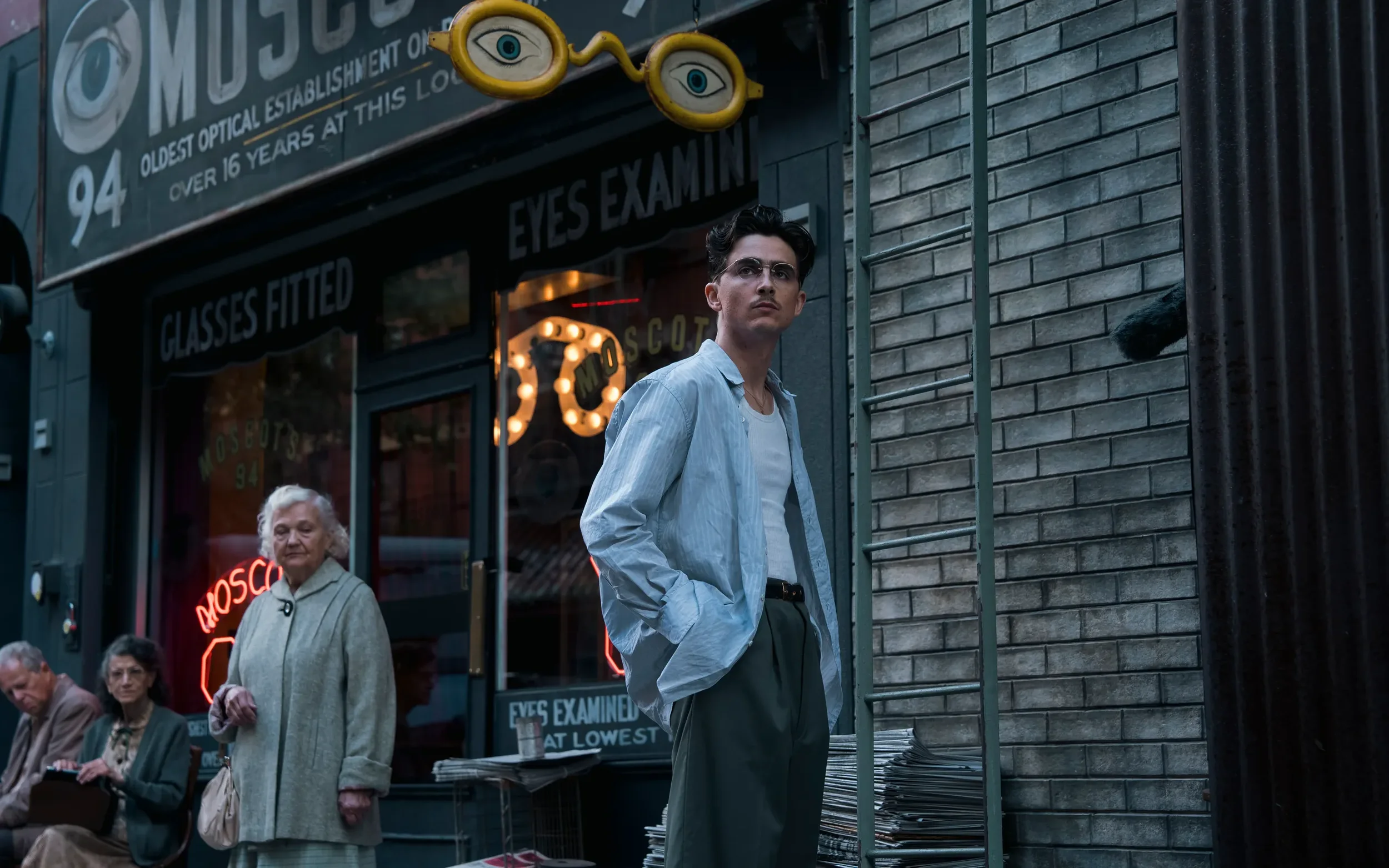
There is a very specific kind of thrill that only a filmmaker like Josh Safdie can deliver: the rush of watching a character sprint toward disaster with total conviction, powered by ego, delusion, and the belief that the next gamble will fix everything. For most of its runtime, Marty Supreme weaponizes this with impressive control. The chaos is more focused than Uncut Gems, every escalating problem engineered to tighten the screws rather than simply overwhelm. Two-thirds in, I was ready to call it one of the most electrifying films of the year.
At the center of it all is Timothée Chalamet, delivering what, for a long stretch, feels like his best performance. There is something deeply personal in how he inhabits Marty, in the bravado and charm and self-mythologizing he brings to the role. The performance fits him the way Leonardo DiCaprio in Catch Me If You Can, or Tom Cruise in Jerry Maguire, feel inseparable from theirs. It is charismatic, funny, and a little rebellious. I was completely locked in.
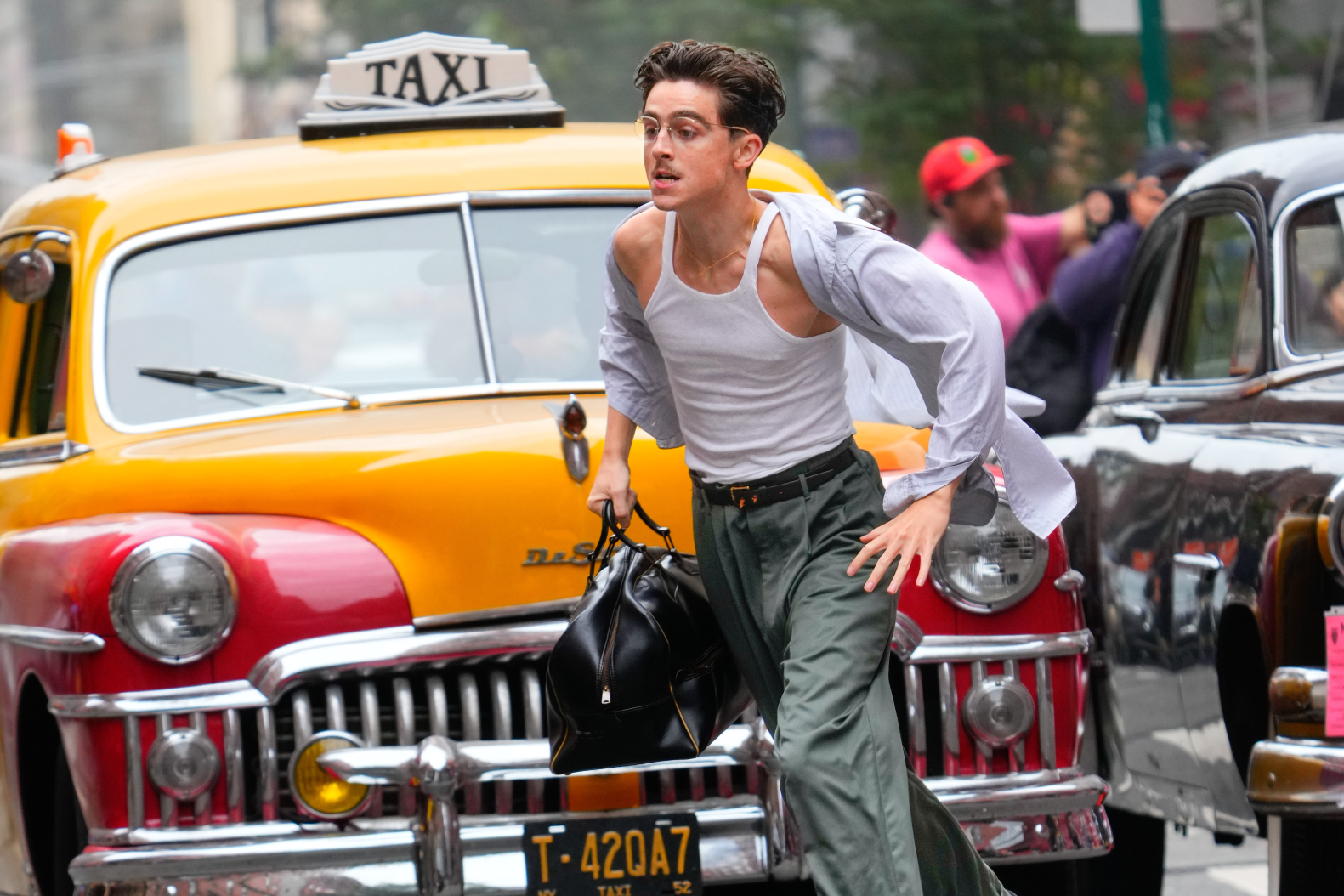
Then the template becomes too apparent. The Central Park sequence marks the turning point. Instead of escalation feeling inevitable, it begins to feel redundant. Marty nearly gets arrested. He gets humiliated. He barely escapes a shootout in Jersey. All seemingly within eight hours of each other. Safdie takes the screenwriting mandate to put your protagonist in the most uncompromising situations possible and carries it past the point of diminishing returns. The problem is not the relentlessness. It is that the film forgets to pause.
We have seen this kind of character before: the narcissistic man in freefall whose spiral we follow as much for what it reveals as for the spectacle itself. What makes those journeys work is not just watching them fall, but understanding what drives them. A crack in the armor. A glimpse of something underneath. In Call Me by Your Name, Chalamet built a performance on silence, longing, and interior ache. That film's famous final scene works because we are allowed to sit with him, to watch his face process loss in real time. Marty Supreme hints that this version of him still exists, but Safdie never lets him use it. The camera chases Marty constantly. The world batters him. But he is never given one sustained moment where the noise drops and the person underneath surfaces.
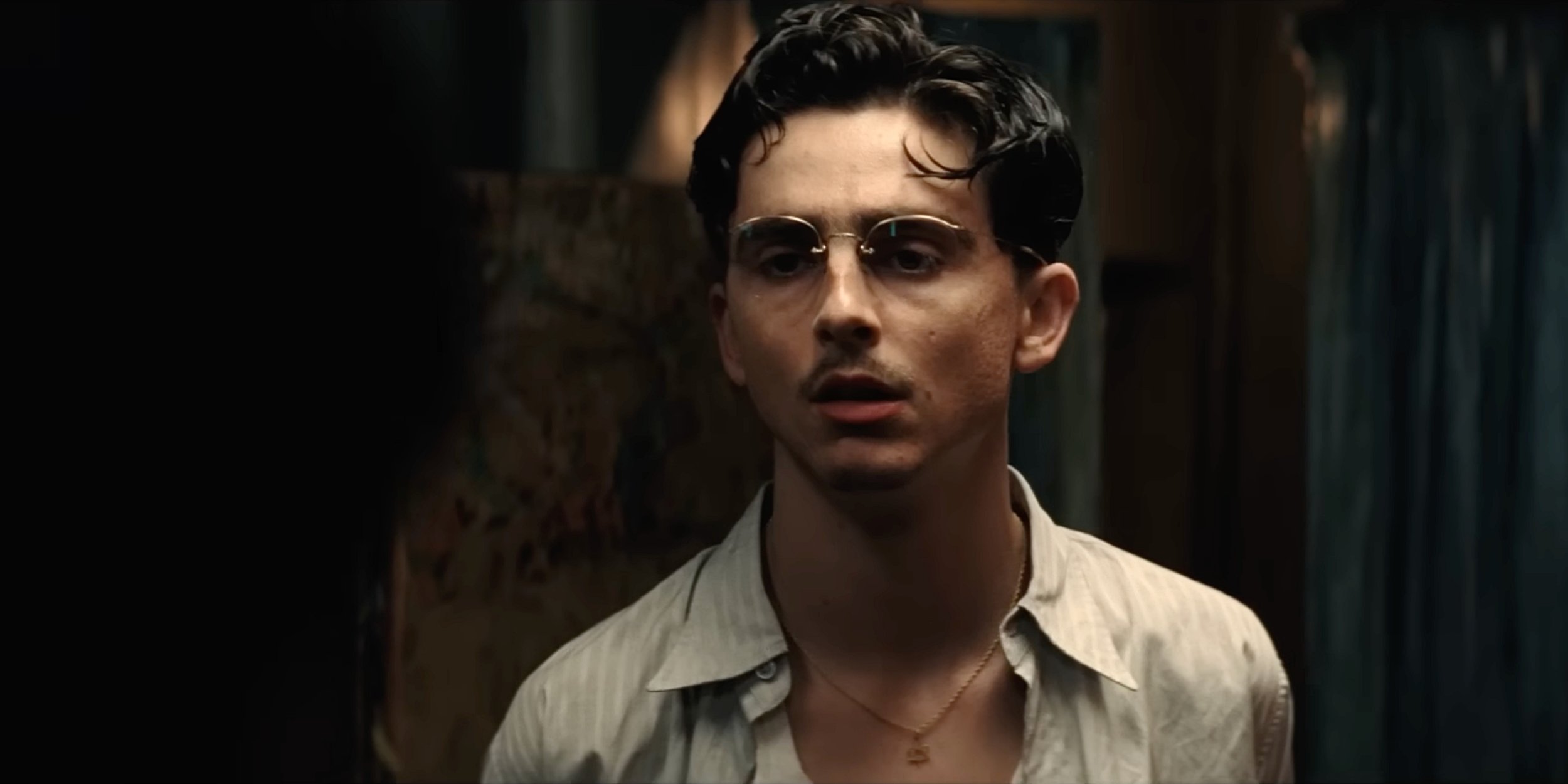
Watching Marty Supreme is like riding a roller coaster, and not in the way that phrase usually functions as a compliment. The velocity is genuine. The thrill is genuine. But roller coasters do not allow you to think. The speed ensures it. You feel everything and process nothing, and the ride ends the only way a roller coaster can: abruptly, with no easing back to ground. When Chalamet's character suddenly breaks down crying in the film's final minutes, it lands exactly that way. The stop is real and the emotion is there, but it arrives before the groundwork for it was ever laid. A film with more considered pacing, a structure that gave us actual valleys between its peaks rather than one unbroken pitch, might have made that moment feel like arrival rather than interruption. Instead, we get off the ride, file out, and move on. The thrill was the ride itself. It does not follow you home.
None of which erases what Marty Supreme gets right. Safdie understands momentum the way almost no one else working today does, and Chalamet is impressive enough to make you wish the film trusted him more. What lingers is not the catharsis the final scene was reaching for, but the frustration of what could’ve been: a film one quiet, sustained moment away from something that would have been truly hard to shake.
Rating: ★★★ out of ★★★★★