
The End of Oak Street Gives Dinosaurs Their Teeth Back
David Robert Mitchell trades the dread of his horror films for pure, unembarrassed spectacle, and the result is one of the most purely enjoyable studio movies of the summer.
By MIGUEL MATEO | AUGUST 14, 2026
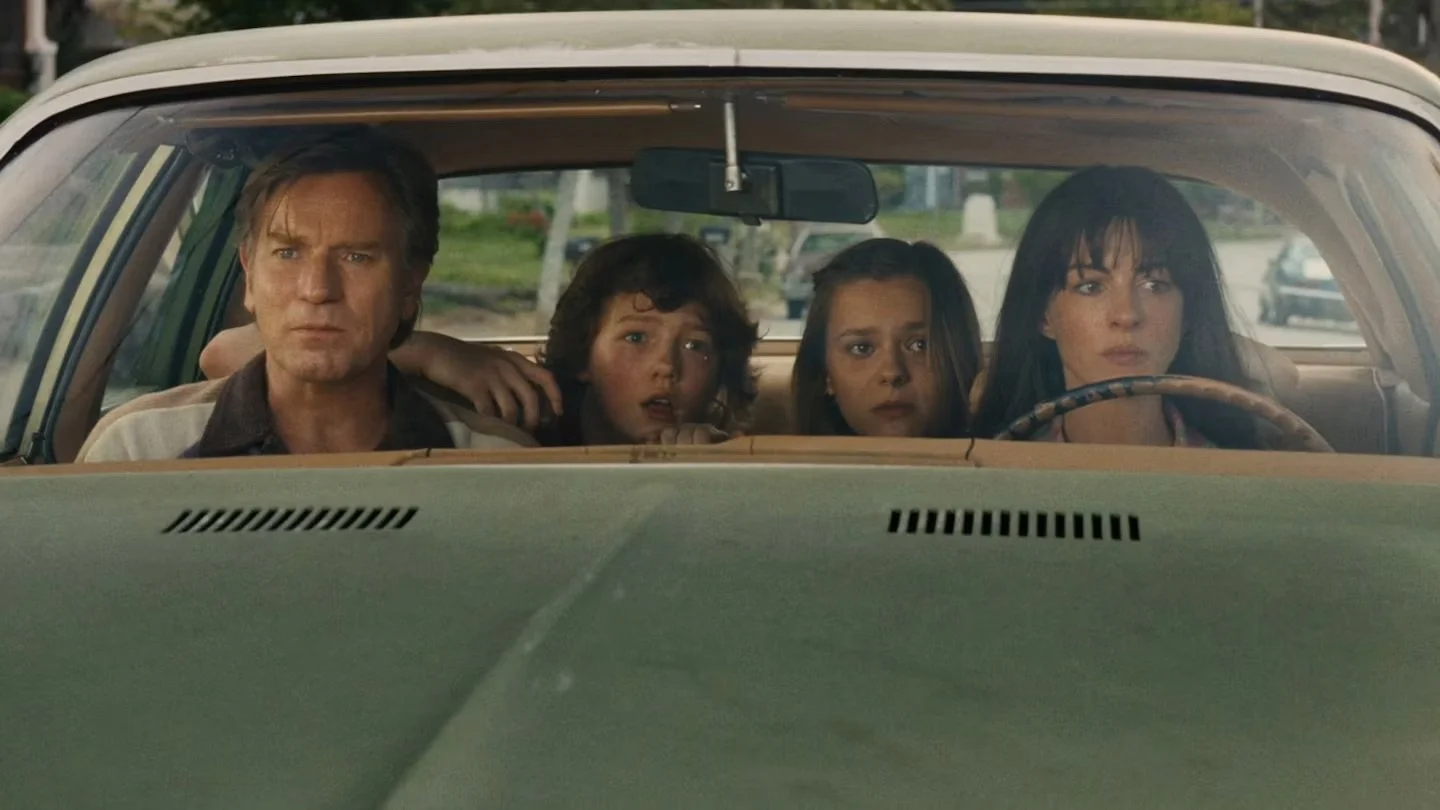
The End of Oak Street opens on a street that looks almost too good to be true: kids on bikes, parents on porches, everyone living in what feels like the coziest possible version of a 1980s suburb. That’s the entire point. Within minutes, a cosmic event rips the Platt family’s neighborhood loose from the world they know and drops them somewhere completely unrecognizable, where dinosaurs start showing up between the cul-de-sacs.
There’s a self-awareness running through the film that reminded me of Scream, a movie that understood horror conventions well enough to have fun with them without ever making fun of the genre itself. Mitchell knows how familiar some of this looks: the perfect cul-de-sac, the swelling score, the family forced to come together against something impossible. But instead of trying to flip those ideas on their head, he embraces them. The characters still feel real, the danger still feels real, and the movie clearly has a lot of affection for the kind of films it’s borrowing from.
What separates this from most of the dinosaur movies we’ve gotten over the last decade is its restraint, which sounds strange considering how big and loud this movie can get. Mitchell doesn’t treat every creature reveal like it needs to be a huge spectacle. There’s a sequence where something serpentine makes its way through the Platt house, sliding through hallways and doorframes that obviously weren’t built for it. Mitchell lets the scene play out long enough that the house itself starts to feel unsettling. That use of a familiar domestic space against the people living in it feels like the clearest connection to his horror work, and it’s also where the movie is at its best.
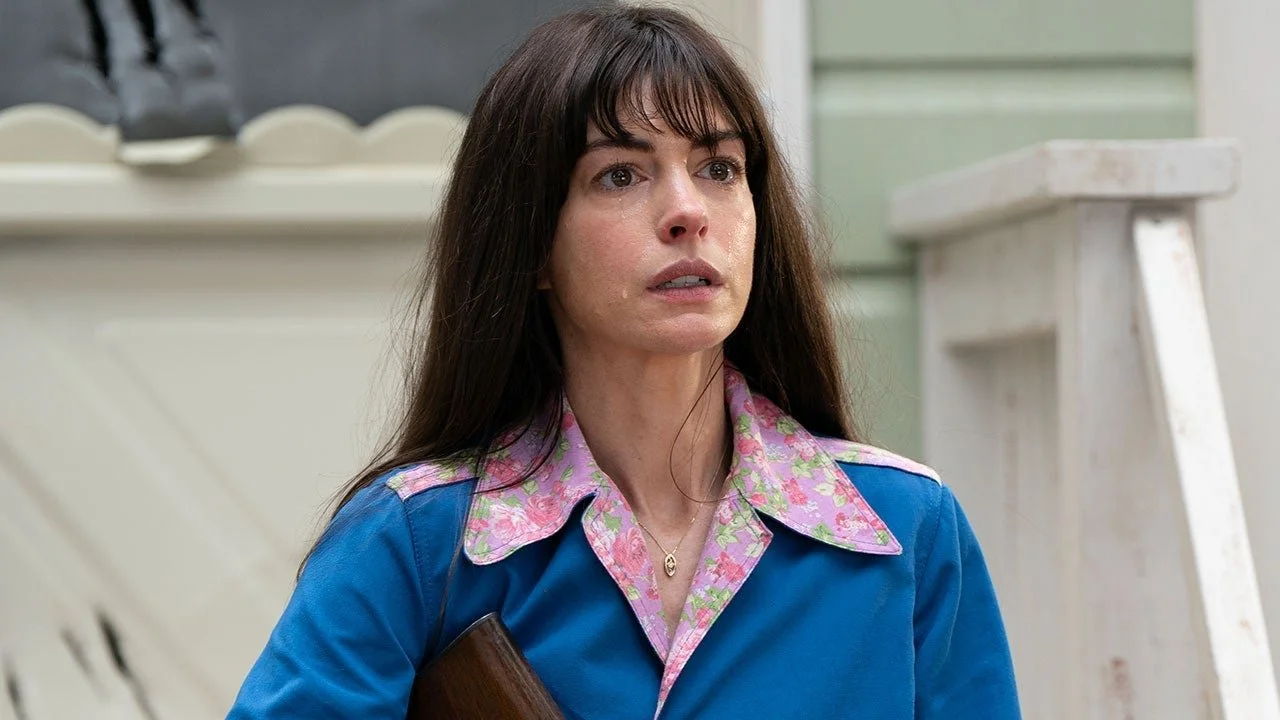
Anne Hathaway, playing mother and aspiring novelist Denise Platt, continues what has been a remarkable 2026 for her. This might be the least showy of her recent performances, mostly because the movie doesn’t ask her to do much more than keep her family together while everything around them stops making sense. Ewan McGregor gives Greg Platt a quieter, slightly rattled energy that works really well opposite her. Maisy Stella and Christian Convery, as the Platt kids, are also given enough room to actually feel like teenagers rather than characters written just to recreate some idea of an ’80s family.
Michael Giacchino’s score also understands exactly what kind of movie this is. It gets big when it needs to get big, especially during some of the film’s more openly sentimental moments, but it never feels like it’s forcing emotion that isn’t already there. It’s the kind of score you want from a big summer movie, and the film fully commits to that feeling.
What I love most about The End of Oak Street is that it isn’t trying to be more complicated than it needs to be. It isn’t reaching for some huge statement about family, grief or legacy the way so many major movies do now. It wants to entertain you.
And it does.
There’s something refreshing about a studio movie this confident in simply being fun. The End of Oak Street knows exactly what it wants to be, and for me, that was more than enough.
Rating: ★★★1/2 out of ★★★★★
In Theaters Everywhere
Directed by David Robert Mitchell | Written by David Robert Mitchell | Starring Anne Hathaway, Ewan McGregor, Maisy Stella, Christian Convery