
TRIBECA: seven festival favorites
Films by day, NBA Finals by night: a first-time Tribeca attendee on the seven movies worth talking about.
By MIGUEL MATEO | JUNE 24, 2026
There is a particular kind of energy that takes over New York in early June, and this year I finally got to feel it for myself. This was my first time attending Tribeca Film Festival, and I went in with high expectations and came out with something I did not fully anticipate: a new favorite. The scramble of scheduling, the disorienting jumps between wildly different worlds across a single afternoon, the specific pleasure of watching a film that no one outside the festival circuit has seen yet and sitting with that knowledge for a while. I loved all of it. The ambition and the scrappiness, the willingness to program horror alongside prestige drama, genre debuts alongside quiet arthouse discoveries. I am already counting the months until next year.
This year's edition was especially charged. The World Cup was hovering on the horizon, the city already humming with that particular anticipatory restlessness, but more than that, the Knicks were in the NBA Finals for the duration of the festival, and they won the championship in the second week. I grew up in Jersey, went to college at Fordham, and have been a Knicks fan since I was a kid, through all of it, the lean years and the near misses and the long patience of it. So I was watching films by day and watching the Finals by night, and when it finally happened, the city let out a sound I will not forget. Coming back here from Austin, carrying all of that history, sitting in theaters in a New York that was building toward something and then celebrating it, made this festival feel like something more than a film festival. It felt like a homecoming.
What makes Tribeca feel genuinely important, beyond its particular pleasures, is where it sits on the calendar. By the time the closing night gala wraps up, we are standing at the threshold of the long summer, with fall just beyond it. Tribeca is the last major festival before the awards season begins in earnest: before Venice, Telluride, Toronto, and New York hand the industry its annual shortlist of prestige contenders. In that sense, what plays here often reads like a preview of what conversation is coming, which titles might break through and which will quietly find their audience over time. This year's edition felt especially rich. I saw films I expect to be thinking about for a long time.
Not everything landed, of course. Katie Holmes' Happy Hours, Part 1 had the bones of something personal and the casting (Holmes and Joshua Jackson, reunited) to make it work on paper, but the script couldn't support the weight the film asked it to carry. The dialogue felt thin where it needed to feel lived-in, and by the end I wasn't sure I needed to know what happens in Part 2. Ponderosa, Rob Rice's sophomore feature starring Bill Camp and Jack Dylan Grazer, had an intriguing premise and a Lanthimos-adjacent register that occasionally crackled, but it kept circling its own ideas without finding a way to land them. Camp alone was worth the time. The film around him, less so.
But the hits outweighed the misses by a wide margin. Here are the seven that stayed with me.
7. Labrador: Autopsy of Silence
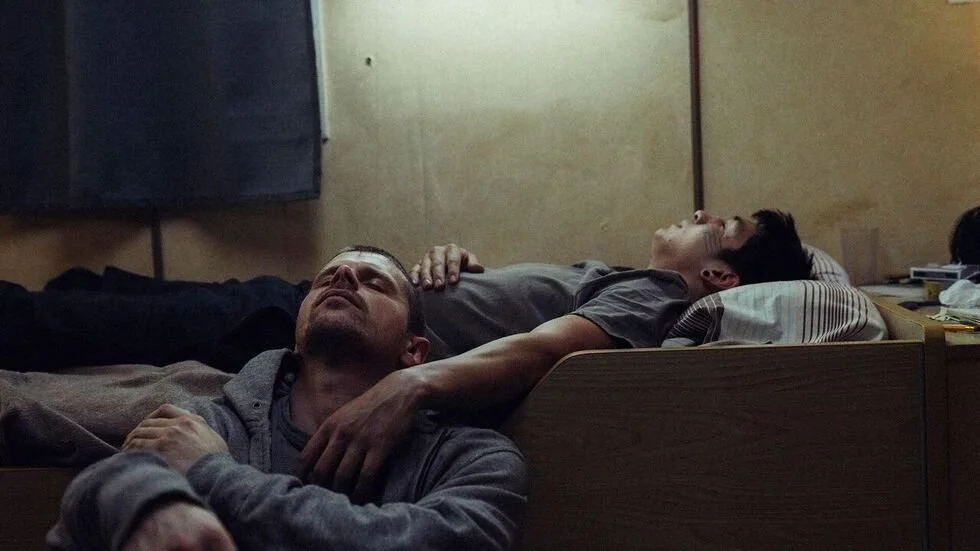
Rodrigue Jean's cargo ship procedural arrived at Tribeca already carrying the weight of a true story, and it carries it carefully. The film is set aboard a freighter serving the Inuit communities of northernmost Canada, where a young man named Alupa (Christopher Angatookalook, in the kind of performance that announces a major talent) is reunited with his lover, the ship's cook, only to find him dead. What follows is less a whodunit than an excavation, the film threading queerness and race and colonial silence through what on the surface looks like a murder mystery.
Angatookalook won the acting prize at Tribeca, and it is not difficult to see why. He does an enormous amount of work through restraint alone, and Jean is smart enough to build the film around that restraint rather than push against it. The middle section asked more patience of me than I was always willing to give, and the identity of the killer is not so much revealed as confirmed, which robs the procedural structure of some of its tension. Still, Labrador is a film that works on you quietly and leaves a mark. The prize was deserved, and Jean is a filmmaker worth following.
6. Breeder
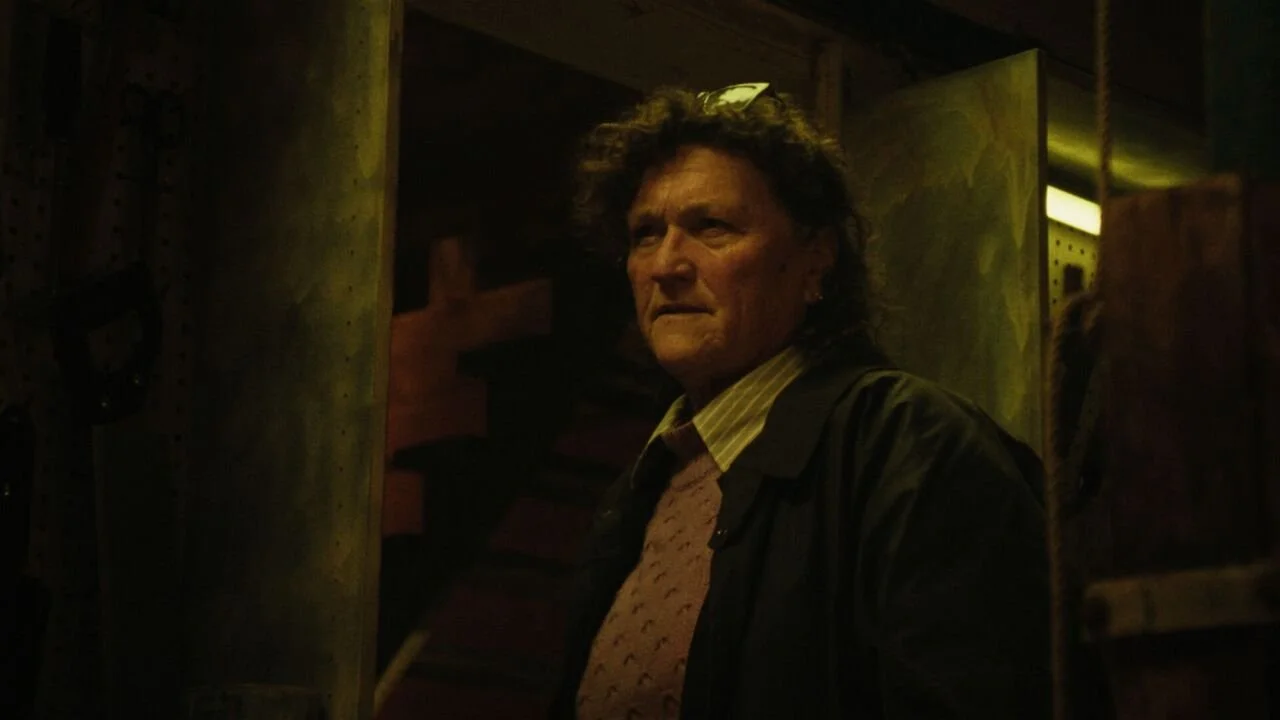
Alex Goyette's feature debut is the kind of film that takes a deranged premise and commits to it so fully that you stop questioning the logic and start dreading the next scene. A college student in financial freefall visits a remote poodle ranch hoping to save his bee research grant; the ranch's owner (Dot-Marie Jones, terrifying and hilarious in equal measure) has an arrangement in mind. What begins as darkly comic rural discomfort escalates into something far nastier, and Goyette handles the tonal shifts with more control than most debut features manage.
Breeder has already been compared to Barbarian and Misery, and those comparisons are not wrong, but they also undersell what Goyette is doing with the film's more pointed undercurrent: something about bodies and ownership and who gets to decide what a life is worth. The film does not make those ideas explicit, which is part of why they stick. IFC and Shudder will release it later this year, and I expect it to find exactly the audience it deserves: people who like to laugh against their will and then feel vaguely uncomfortable about having done so.
5. The Long Haul
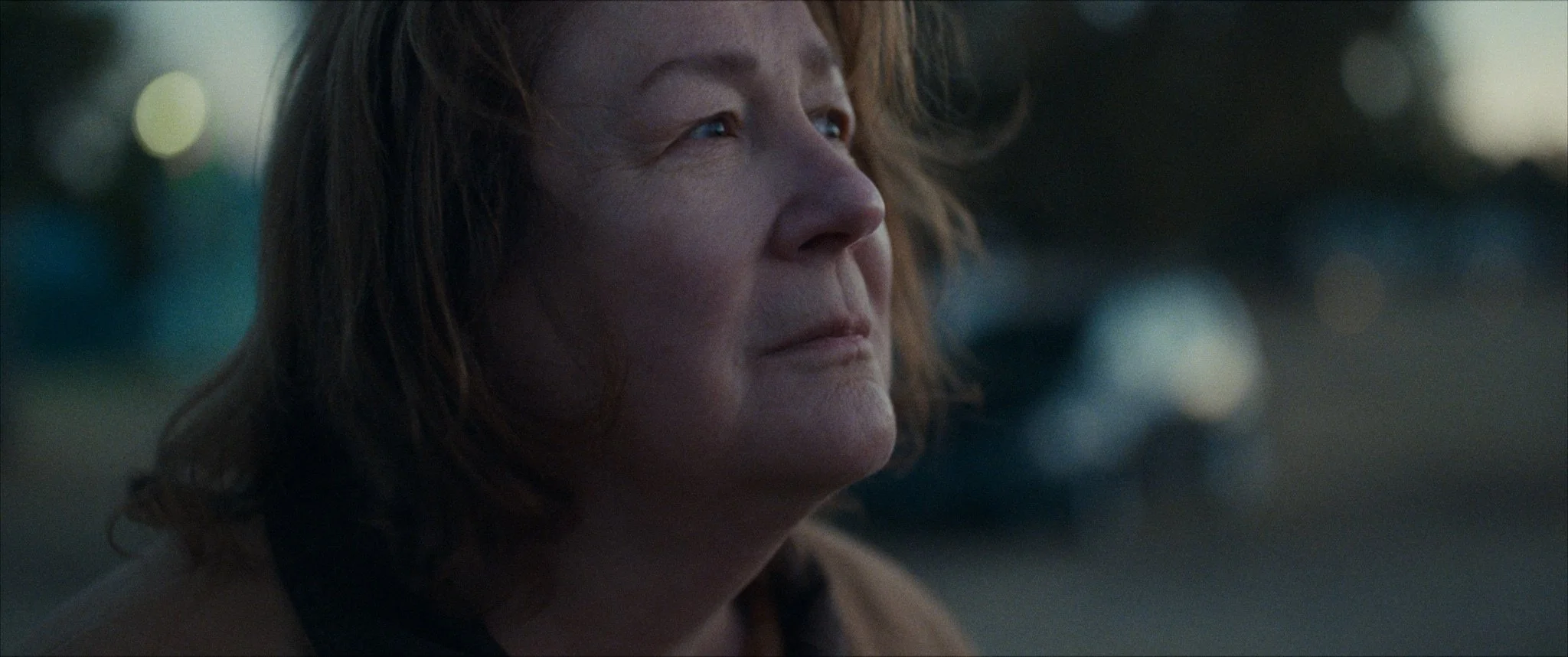
David Drake's directorial debut is small and unhurried and almost aggressively uninterested in making its emotions easy for you. Margo Martindale plays CJ, a long-haul trucker who has spent decades outrunning a past that catches up with her via a letter from the parole board. The road has been her escape and her identity and possibly her sentence all at once, and the film watches her reckon with that without ever telling you exactly how to feel about what she has done or what she deserves.
The rest of the cast, including Cole Sprouse, Stephen Root, Yalitza Aparicio, and Wes Studi, brings real texture to the margins, but this is Martindale's film from the first frame, and she is extraordinary in it. Drake shoots the low light and long silences of working-class America with a photographer's patience, which can make the film feel slow in the wrong stretches and achingly right in the ones that count. The Long Haul is the kind of film that does not chase you; it waits, and if you meet it on its terms, it earns its emotion completely.
4. Iconoclast
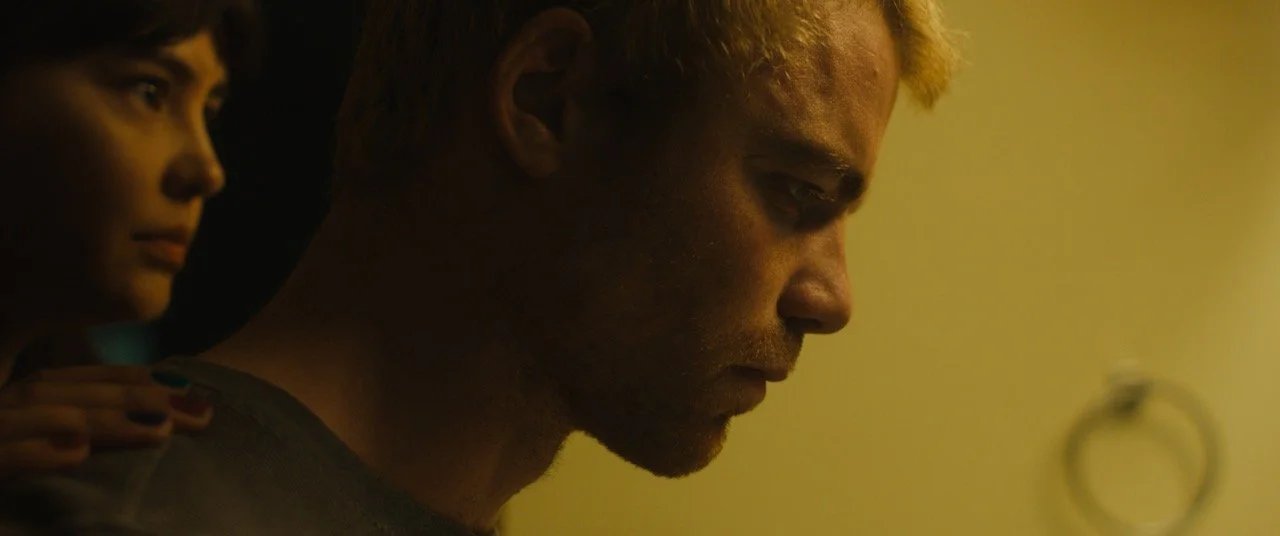
Gabriel Basso, best known as the lead of The Night Agent, wrote and directed this psychological thriller about a reclusive young man's dangerous obsession with a live-streaming influencer. It is a film about parasocial relationships and the erosion of self that can happen when the screen becomes more real than the room you are sitting in, and Basso as a filmmaker has something genuine to say about that territory.
He also has something to say as a performer. Basso plays his lead with a queasy precision, tracking the slow drift from lonely viewer to something more dangerous without announcing the shift. The film is not without its problems: the pacing is deliberate in ways that occasionally tip into sluggish, and not every structural choice earns its place. But the twist that closes the film works, and works well, recontextualizing what came before in a way that feels both surprising and inevitable. Basso the director is more interesting than Basso the filmmaker's critics will give him credit for after a single viewing.
3. Mutter: The Diary of a Mother
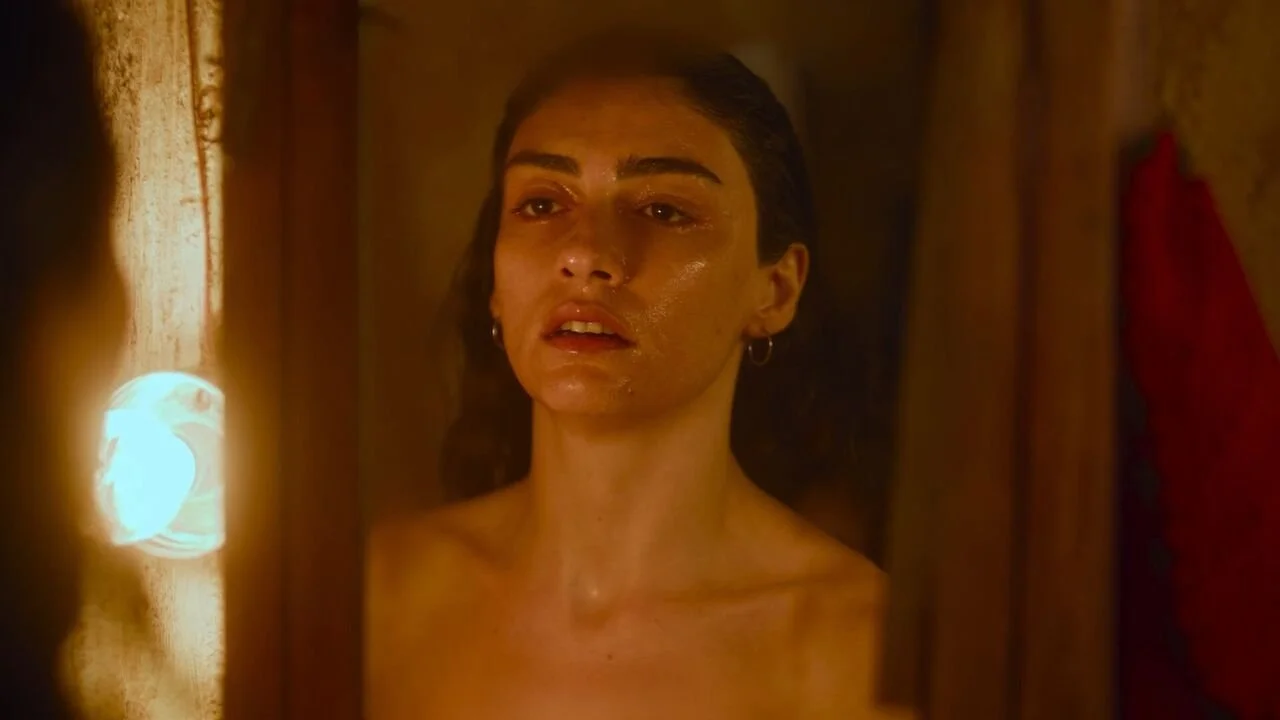
Turkish filmmaker Alphan Eseli's film begins with a birth, on the side of a road, in the backseat of a truck. What is born sends the father fleeing into the trees. What is born Gul, played by Hazar Erguclu in a performance that never flinches, chooses to love. Mutter is a folk horror film about motherhood, but it is also, and more fundamentally, a film about the particular cruelty society reserves for mothers who do not fit the expected shape: unmarried, unconventional, fiercely protective in ways that look, from the outside, like something closer to madness.
Eseli draws on a tradition that includes Rosemary's Baby, Lamb, and Hatching, but Mutter has its own logic, its own rhythms, and its own specific grief. The score by Tristan Bechet is extraordinary throughout, and the film builds to a climax that hit me somewhere I was not expecting. I left the theater thinking about the ways we decide which love is acceptable and which is not, and about how much horror that question has always been able to generate when the right filmmaker gets hold of it.
2. The Leader
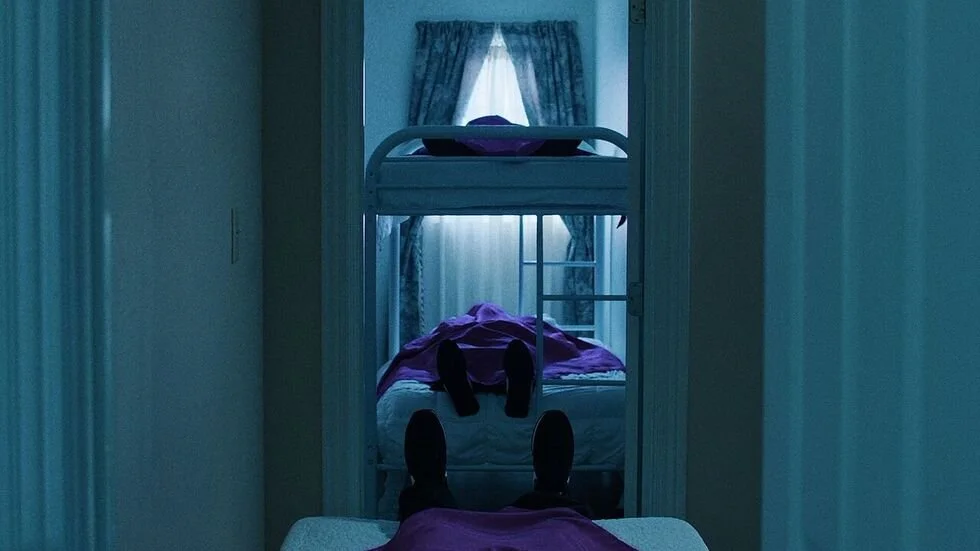
Michael Gallagher's film about Marshall Applewhite and Bonnie Nettles, the founders of the Heaven's Gate cult, is not really about Heaven's Gate. It uses the cult, its beliefs, its tragic end, as the frame for a stranger and more unsettling inquiry: into the nature of belief itself, into the mechanics of persuasion, and into the human need to surrender yourself to something that promises to be larger than your own life.
Tim Blake Nelson and Vera Farmiga play Applewhite and Nettles with a magnetism that makes the film work as both portrait and warning. The film is less interested in the how of how people followed than in the why, and that shift in focus is what lifts The Leader above the usual true-crime register. Jim Parsons appears in a supporting role and is quietly excellent. There are structural seams you can see, points where the editing feels rushed and the time jumps abrupt, but Gallagher is asking real questions about psychology and charisma and the catastrophic possibilities of faith, and the film earns the discomfort it creates.
1. Cotton Fever
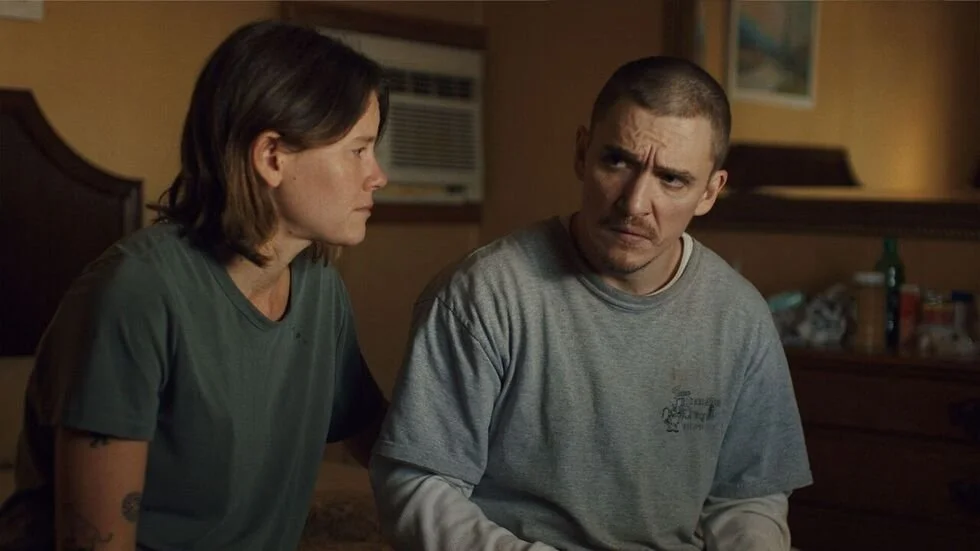
Daniel Blake Schwartz wrote and directed this film from his own life, and it shows in every frame. The film follows several interconnected lives cycling through addiction and recovery in Chelsea, Massachusetts, and it does so with the kind of unsparing empathy that is very hard to fake. Kyle Gallner plays James, slipping back into using and dealing even as his girlfriend Dina (Sosie Bacon) carries their child; around him, other lives orbit with their own weight and their own failures and their own stubborn, battered hope.
I came to this film carrying something of my own. I spent years in Seattle watching a crisis play out on sidewalks and in doorways, watching myself get better at not looking. I have since moved on, but I carry that narrowing with me. Cotton Fever gave faces back to the people I had spent years learning not to look at. Schwartz does not observe addiction from a comfortable distance; he is in the middle of it, and his mosaic structure occasionally loses momentum as it rotates between storylines, which is probably a byproduct of the design as much as anything else. But the film closes on a note I won't detail here, and it is one of the more quietly earned expressions of hope that I have seen in recent memory, the kind that lingers without insisting. It won the Founders Award for Best U.S. Narrative Feature, and I cannot argue with that.