
The Last Day Keeps Its Best Story Waiting
Rachel Rose reroutes Virginia Woolf through the long shadow of new motherhood for a debut of startling composure, carried by the best work Alicia Vikander has done in years, even as it keeps its second woman waiting for a film that never quite arrives.
By MIGUEL MATEO | JUNE 14, 2026
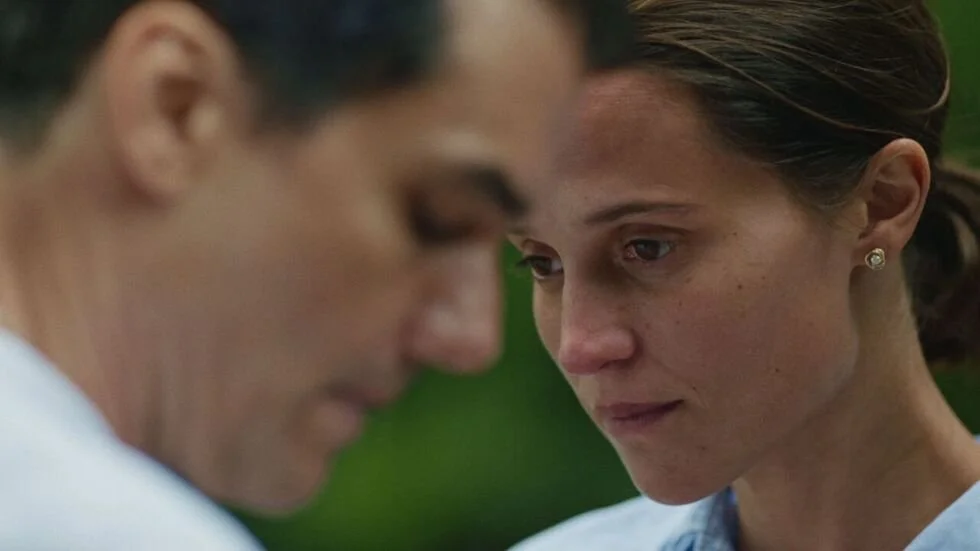
Every Tribeca hands me at least one debut that turns up with more poise than a first feature has any right to, and this year that film is The Last Day. Rachel Rose, writing and directing for the first time, takes Mrs. Dalloway and relocates it from a single June day in London to a single summer day in New York, where the lives of two mothers brush against each other and then part. It is a bold thing to reach for, and Rose mostly clears the bar she sets herself, which is the part I keep returning to.
Alicia Vikander plays Julia, a writer who has not written in years and who has quietly poured herself into her daughter until little of the woman she used to be is left over. It is the best thing she has done in years, and I do not say that lightly. She gives Julia a stillness that could read as inertia in lesser hands but here plays as a woman listening for a version of herself she can no longer hear. The time the film spends with her is time well spent, every minute of it, and Vikander never once asks for our sympathy when our recognition will do.
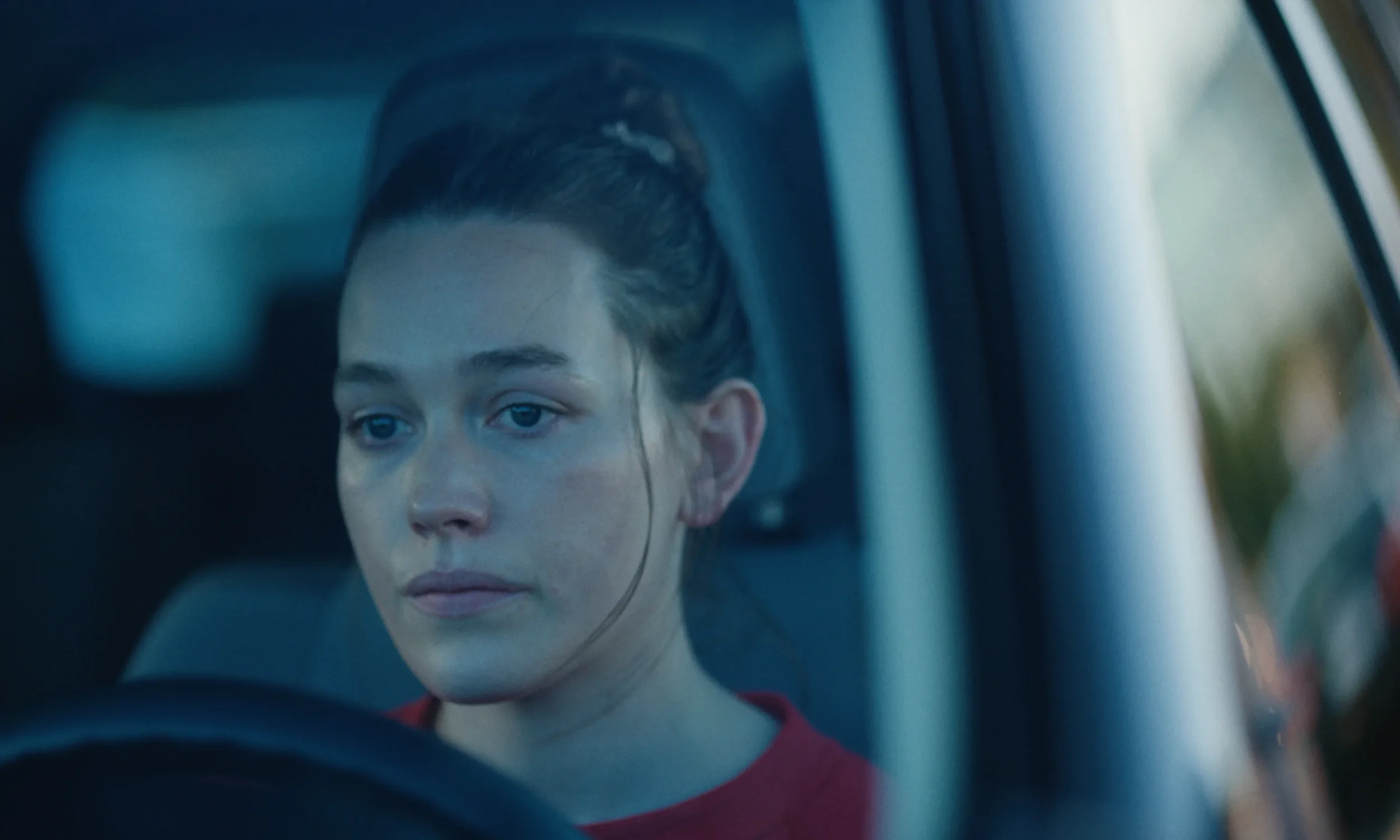
And yet the performance I cannot shake belongs to Victoria Pedretti. She plays Taylor, a labor and delivery nurse in the grip of a postpartum crisis after the birth of her third child, and Pedretti does something quietly remarkable with her. She lets us see both women at once, the medical professional who once spent her days ushering other people's children safely into the world, and the hollowed-out figure that woman has become. The cruelty of that irony is never spoken aloud, which is exactly why it lands. By the time Taylor is standing at a checkout counter trying to perform ordinary competence, I was holding my breath.
Here is my one real reservation: the film is simply more interested in Julia than in Taylor. Rose inherits this asymmetry from her source, where Woolf always meant the doomed double to be the shadow that gives Clarissa's survival its weight, but inheritance is not the same as justification. Pedretti's Taylor is so vivid, so precisely observed, that I wanted the film to break its own template and stay with her, or at the very least to grant her the same patient attention it lavishes on Julia's backyard melancholy. The story that pierced me most was the one the film kept leaving.
What keeps this from curdling into a real frustration is how confidently the rest of it is made. Eric Yue's cinematography has been the talk of every screening I sat in, and deservedly so, all unusual lenses and a tactile, almost intrusive closeness that drops us inside two interior lives without ever narrating them for us. Wagner Moura turns up for a single scene as Peter and leaves a bruise. The film's great achievement, imbalance and all, is that it lets us into the minds of both these women rather than observing them from a polite distance, which is a harder and rarer thing than it sounds.
That Rose pulls this off on her first time out is genuinely exciting. There are missteps, and the deliberate pace will test anyone who needs a film to move, but I left convinced I had watched the arrival of a real filmmaker rather than a merely promising one. The Last Day is an impressive debut that holds one of its two halves at arm's length, and I suspect Rose knows exactly which half got away from her. I will be first in line for whatever she does next.
Rating: ★★★1/2 out of ★★★★★
Screened at Tribeca Film Festival