
The Life of Chuck, or: Sentiment Working Overtime to Cover for a Thin Idea
A film so eager to move you that it forgets to earn it.
By MIGUEL MATEO | AUGUST 12, 2025
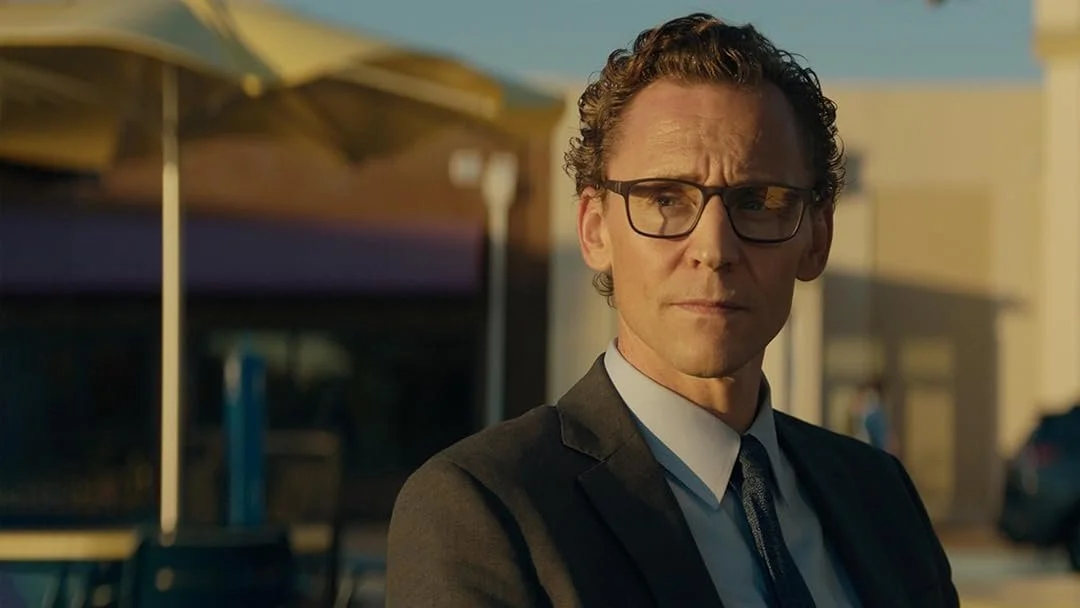
Told backward across three acts, from an unnamed apocalypse creeping into the corners of the frame to a boyhood haunted by a locked attic, The Life of Chuck wants to be a meditation on how ordinary a life can be and still contain multitudes. When it commits to that idea in its middle section, an accountant abandoning his briefcase to dance in the street with a stranger, the film finds something real. Hiddleston sells the moment completely, loose and unguarded in a way the rest of his performance never quite gets to be, and for a few minutes the whole conceit clicks into place. It is the clearest evidence in the film that Flanagan understood what he was reaching for, even if he only reaches it once.
The trouble is everything built around it. Act one, meant to land as apocalyptic dread, instead plays like a rough draft of better ensemble disaster stories, with Ejiofor and Karen Gillan stranded delivering exposition to a collapsing world that never feels like more than a premise. Nobody in that section behaves like a person facing the end of everything, they behave like actors reciting the idea of it. Nick Offerman's narration, which should carry the novella's warmth, keeps tipping into the kind of overexplained sentimentality that tells you exactly how to feel before a scene has done any work to earn it. By the time act three arrives with its ghost story digression in the attic, the film has fully abandoned tension for a tidy moral, and the digression sits there unresolved, more atmosphere than idea, a spooky flourish borrowed from a different, better King adaptation.
That unevenness is the real problem. A film built on the premise that a single life holds unexpected depth needs every section pulling in the same direction, and this one keeps interrupting its best instincts with scenes that undercut them, a maudlin voiceover here, a metaphor stated outright there, a structural gimmick that draws attention to itself instead of the story. Even Chuck's death, which should land as the quiet culmination of everything that came before, gets buried under narration insisting on its own significance rather than trusting the images to carry it. The dance sequence proves Flanagan can find the feeling this material is reaching for. The rest of the film too often settles for gesturing at it, content to tell you a life contained multitudes rather than showing you one that actually did.
Rating: ★1/2 out of ★★★★★