
Sentimental Value Turns Grief Into an Act of Devastating Grace
A father tries to write his way back into his daughters' lives, and the film he makes instead becomes the only language the family has left.
By MIGUEL MATEO | NOVEMBER 5, 2025
Sentimental Value opens on the family's Oslo house speaking of itself, a voiceover that treats the building less as a setting than as a character carrying its own scars. This is a film built on the idea that a family fracture rarely announces itself as a single event so much as a slow accumulation of absences, the kind of film that will keep surfacing months later, unbidden.
At the center of that fracture is a father who cannot speak to his daughters except through the distance of his art. Gustav offers Nora the lead role in his new film, and she recoils, because the offer is really an invitation to an intimacy he never extended her as a parent. Only when he retreats behind the camera does anything he means to say actually land. The screenplay he writes is the most honest conversation he has ever had with his daughter, and it is telling he cannot deliver it himself; it takes Agnes carrying the pages across the city and placing them in Nora's hands before the words do what decades of his presence never could. He has spent a lifetime able to love his children only from behind a lens, and that failure is also, heartbreakingly, the only language this family has learned to receive.
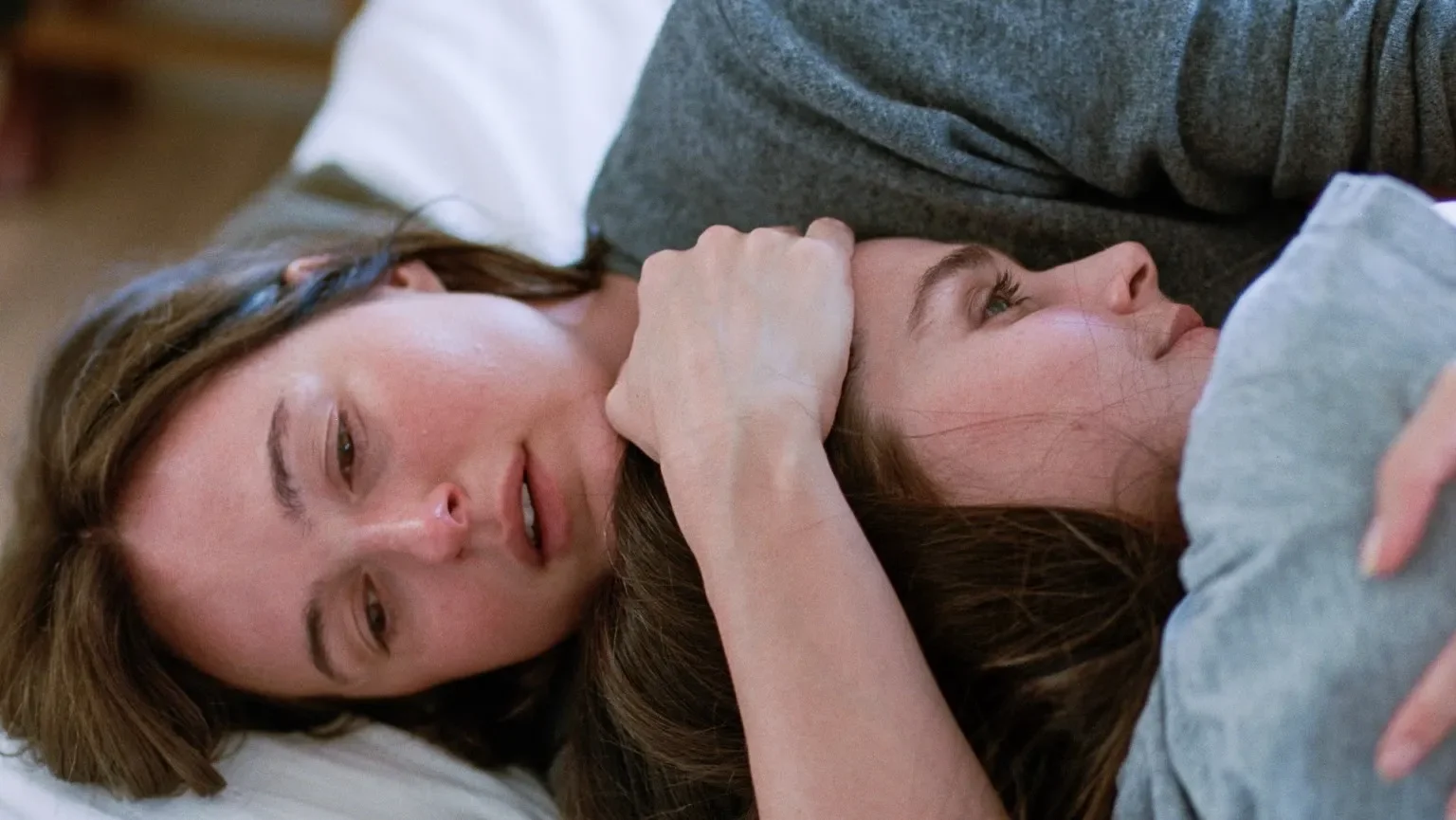
What makes the film so quietly devastating, though, has less to do with Gustav than with how differently his absence settled in each daughter. Nora and Agnes grew up under the same roof and came out the other side with almost nothing in common to say about it. In the scene that gives the film its title, the sisters finally sit with that discrepancy. Agnes admits, through tears, that she does not remember their childhood the way Nora does, that her own memory carries something closer to safety, and that the difference was never their father, but Nora, who absorbed the worst of what he left behind so Agnes would not have to. Nora, in turn, is hearing for the first time that someone noticed the cost of it. It is a small, generous admission that reorders everything before it, a reminder that siblings raised in the same house are never raised the same way.
The performances carry the weight the writing hands them. Renate Reinsve announces Nora's register in the opening minutes with a backstage panic attack so physically committed it borders on comic even as it devastates, clawing at her own costume and nearly bolting the theater before a premiere. That restless energy runs through the performance, and in the scene with Agnes, Reinsve strips it away entirely, letting Nora be undefended for the first time in the film.
Stellan Skarsgård is equally phenomenal as Gustav, a once-celebrated director who returns for his ex-wife's funeral and commandeers the family home he still owns to shoot his next film. Skarsgård plays him not as a villain but as a man who has substituted charm for accountability his whole life, and the performance earns its weight in the final scene, a wordless glance between Gustav and Nora that holds grief and something like hope at once.
Inga Ibsdotter Lilleaas gives the film its steadiest presence as Agnes, playing the family's peacekeeper as someone who has made peace with far less than Nora has, not out of naivety but hard-won generosity. The moment she finally names what that generosity cost her sister is the performance's quiet high point, and Lilleaas never overplays a beat before it.
Elle Fanning has the hardest assignment in the cast, and she meets it. As Rachel Kemp, the American star who takes the role Nora turned down, Fanning must be convincing as a genuinely gifted actress while playing someone achingly wrong for a part written for another woman's grief. The scene where Rachel is gently let go from the production plays with a tenderness that could have curdled into humiliation, and Trier underlines the point by having her dye her hair to resemble Nora's, making literal what she already senses: she is standing in for someone she can never be.
What lingers most is how quietly the film treats its worst wounds. The suicide at the center of this family's history is never staged for maximum impact; it surfaces once, in an uncomfortable exchange, and recedes into silence, the way grief like that actually moves through a family. Sentimental Value earns its ending without cheapening anything that came before it.
Rating: ★★★★★ out of ★★★★★