
Ranking PTA’S 10 Films
Few filmmakers inspire as much admiration, debate, and obsession as Paul Thomas Anderson. Across ten feature films, he has created worlds filled with ambition, loneliness, love, and unforgettable characters. We rewatched his remarkable filmography and rank every feature from his debut to his latest cinematic triumph.
By MIGUEL MATEO | MARCH 20, 2026

There are directors you admire, and then there are directors who shape the way you understand movies. Paul Thomas Anderson belongs in that second category. His filmography feels like a living document of artistic growth, risk-taking, and total commitment to craft. Across ten feature films, he has built worlds that feel intimate and enormous at the same time. He writes characters who are broken, searching, obsessive, and often desperate to be understood.
Ranking his films was far more difficult than we expected. Even the movie at number ten has defenders on this team. That says everything about the strength of this filmography. There are no throwaways here. There are only films that land differently depending on mood, memory, and personal connection.
We also approached this ranking with full awareness that Paul Thomas Anderson inspires passionate disagreement. Some films felt like consensus favorites. Others sparked debate that lasted far longer than the runtime of the movie itself. That tension felt appropriate. PTA’s work invites interpretation, argument, and reflection in ways that few filmmakers can match.
Here is where we ultimately landed.

10. Hard Eight
Every ranking has to start somewhere, and placing Hard Eight at number ten says more about the strength of the filmography than it does about the quality of the film itself. As a debut, it is remarkably confident. The tone is precise, the performances are restrained, and the sense of control behind the camera already feels unmistakable.
There is something fascinating about watching this movie knowing what would come next. You can feel the seeds of the filmmaker he would become. The focus on lonely characters, quiet desperation, and fractured relationships already exists here. It feels like the first sketch in a career full of masterpieces.
9. Licorice Pizza
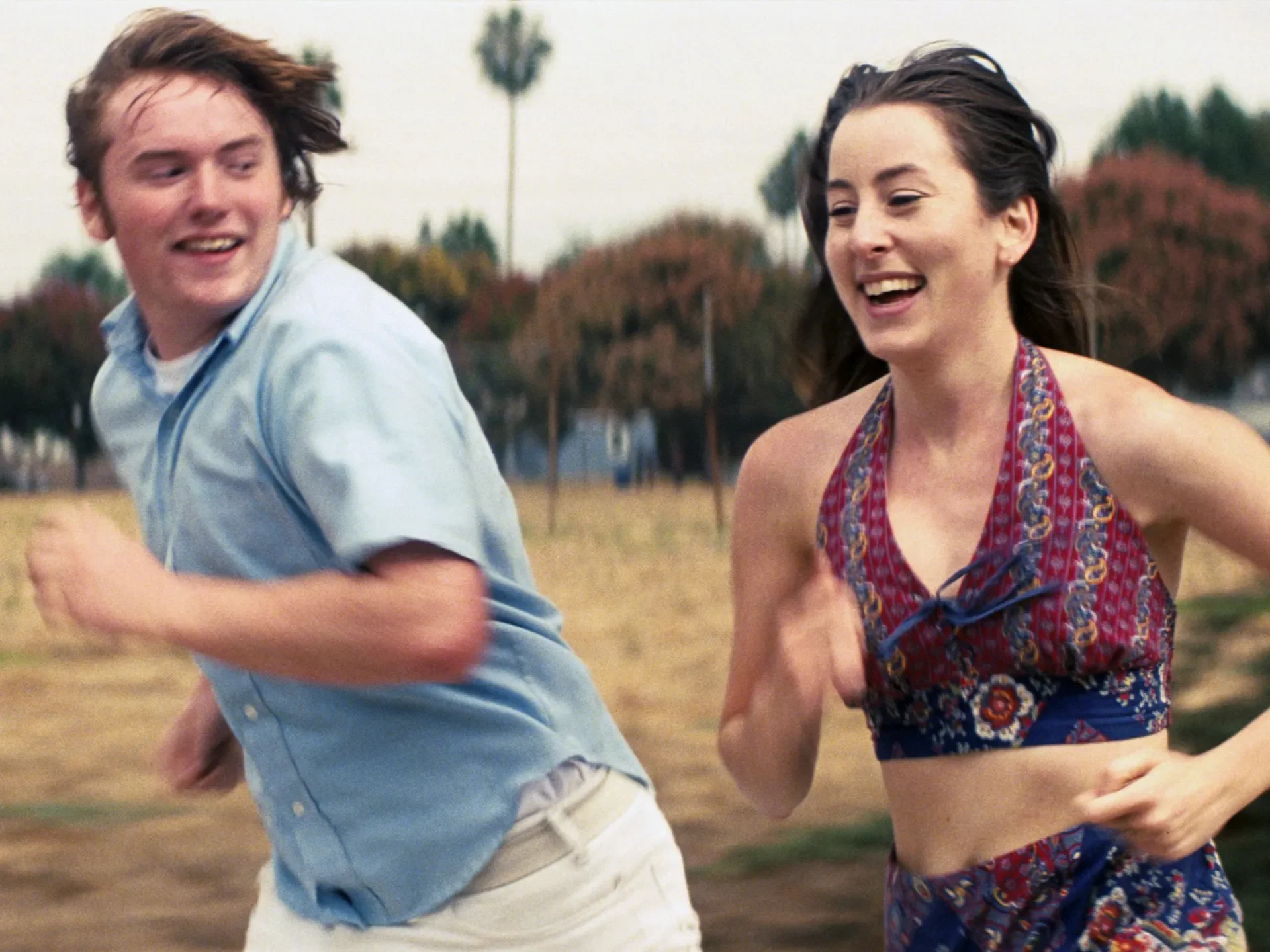
This placement sparked conversation because Licorice Pizza has such a devoted following. For some of us, it feels like one of PTA’s most charming films. The looseness of it, the wandering structure, and the nostalgia baked into every frame give it a warm, lived-in feeling that stays with you.
Others on the team struggled to fully connect with its rhythm. The episodic nature worked beautifully in moments, though it also created a distance that made the emotional arc feel less defined compared to his heavier works. Even with that divide, there was admiration for its spirit and the way it captures the strange, fleeting nature of youth.

8. Inherent Vice
Few films in this lineup inspired more debate than Inherent Vice. For some of us, it represents one of PTA’s boldest experiments. The hazy storytelling, the drifting narrative, and the dreamlike tone make it feel like a movie you have to surrender to rather than solve.
Others found it frustrating, especially on first watch. The density of the plot and the foggy logic can create distance. Still, even those who struggled with it acknowledged its ambition. It feels like a movie that rewards patience and repeat viewings, revealing more layers each time you return to it.
7. Punch-Drunk Love
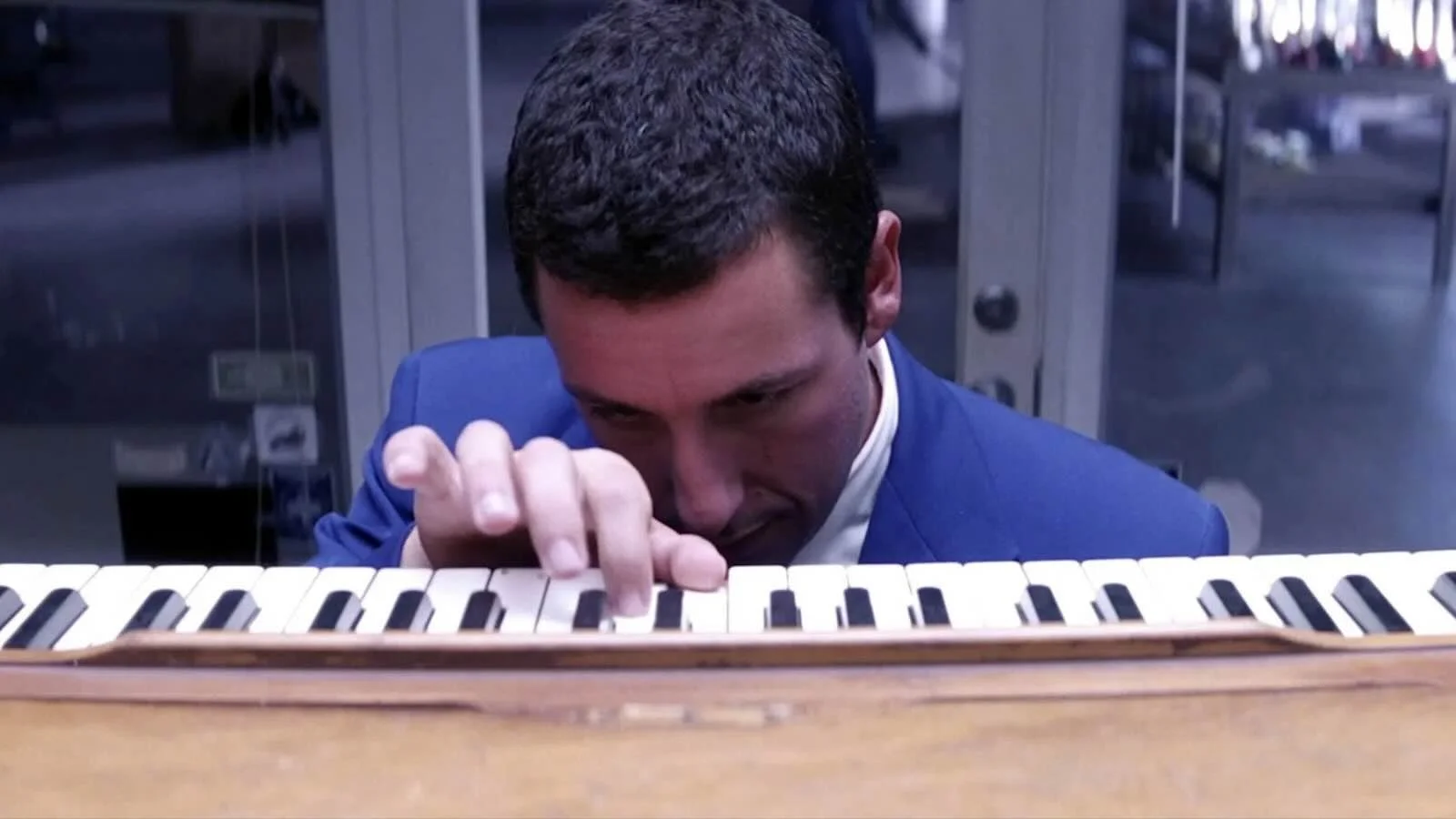
There is something quietly magical about Punch-Drunk Love. It feels smaller in scale than many of the films above it, though its emotional intensity hits just as hard. Adam Sandler’s performance remains one of the most surprising casting decisions of the early 2000s, and one of the most effective.
This film carries a strange vulnerability that makes it feel deeply personal. The bursts of color, the music, and the sudden eruptions of anger all reflect the inner chaos of its main character. Some of us ranked this higher individually, especially those drawn to its romantic core. Its placement here reflects the strength of the films that follow rather than any weakness of its own.

6. Phantom Thread
Phantom Thread is one of PTA’s most elegant creations. Every detail feels deliberate, from the costume design to the pacing of each scene. The performances are hypnotic, especially Daniel Day-Lewis in what was announced as his final role at the time. There is a quiet menace beneath the surface that builds slowly until it becomes impossible to ignore.
What makes this film linger is the relationship at its center. It explores control, devotion, and power in ways that feel unsettling and strangely romantic at the same time. Some of us admire it more than we emotionally connect with it, though that admiration runs deep.
5. The Master
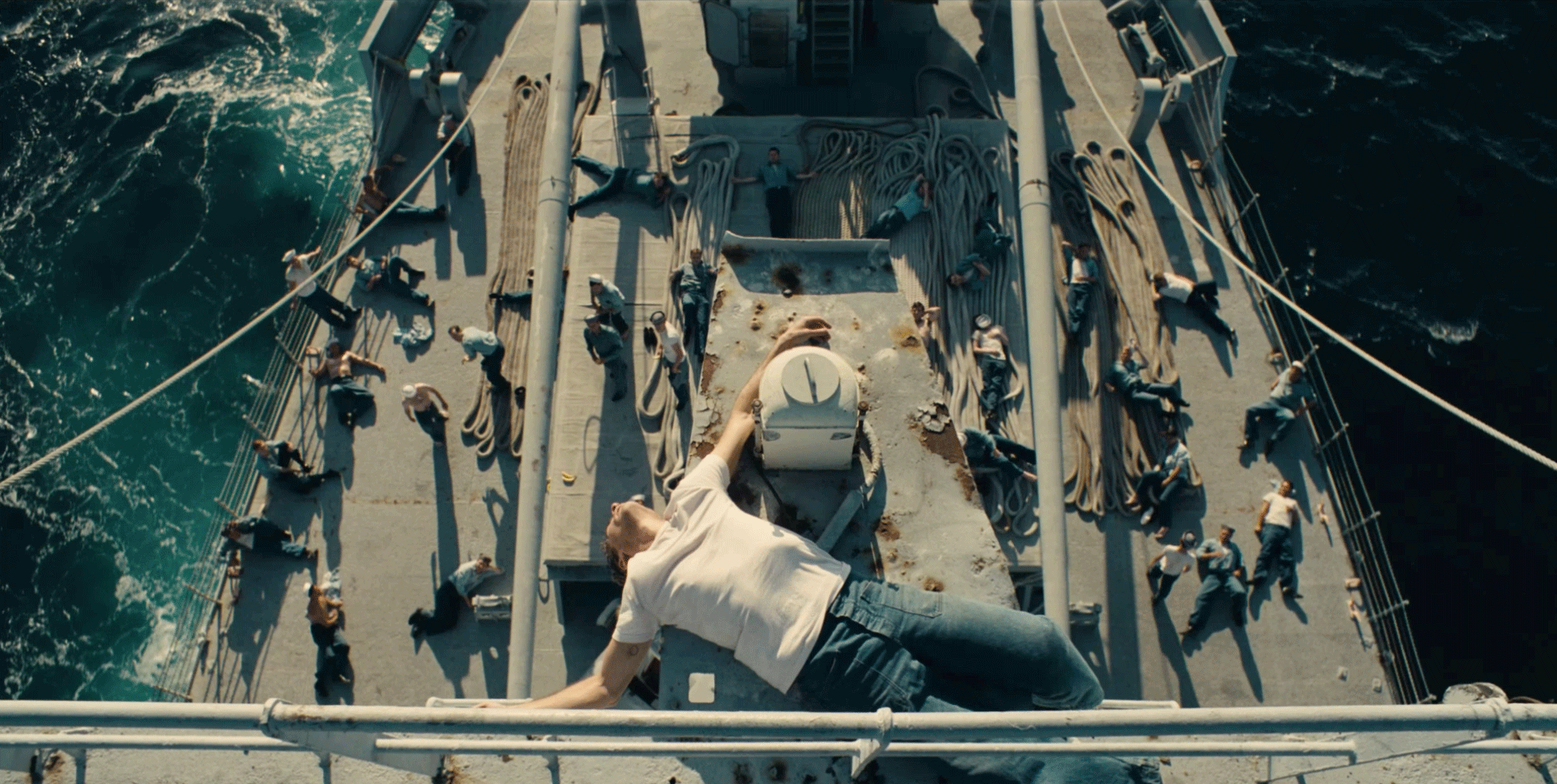
There is a haunting quality to The Master that separates it from much of PTA’s work. The film feels almost spiritual in its structure, drifting between moments of intensity and reflection. Joaquin Phoenix delivers one of the most physically committed performances in modern cinema, while Philip Seymour Hoffman brings an unsettling calm that anchors the film.
This was one of the hardest films to place. For some members of the team, it ranked near the very top. For others, it remained more admired than loved. That tension feels fitting. The Master is a movie that resists easy understanding and invites interpretation long after the credits roll.
4. Boogie Nights
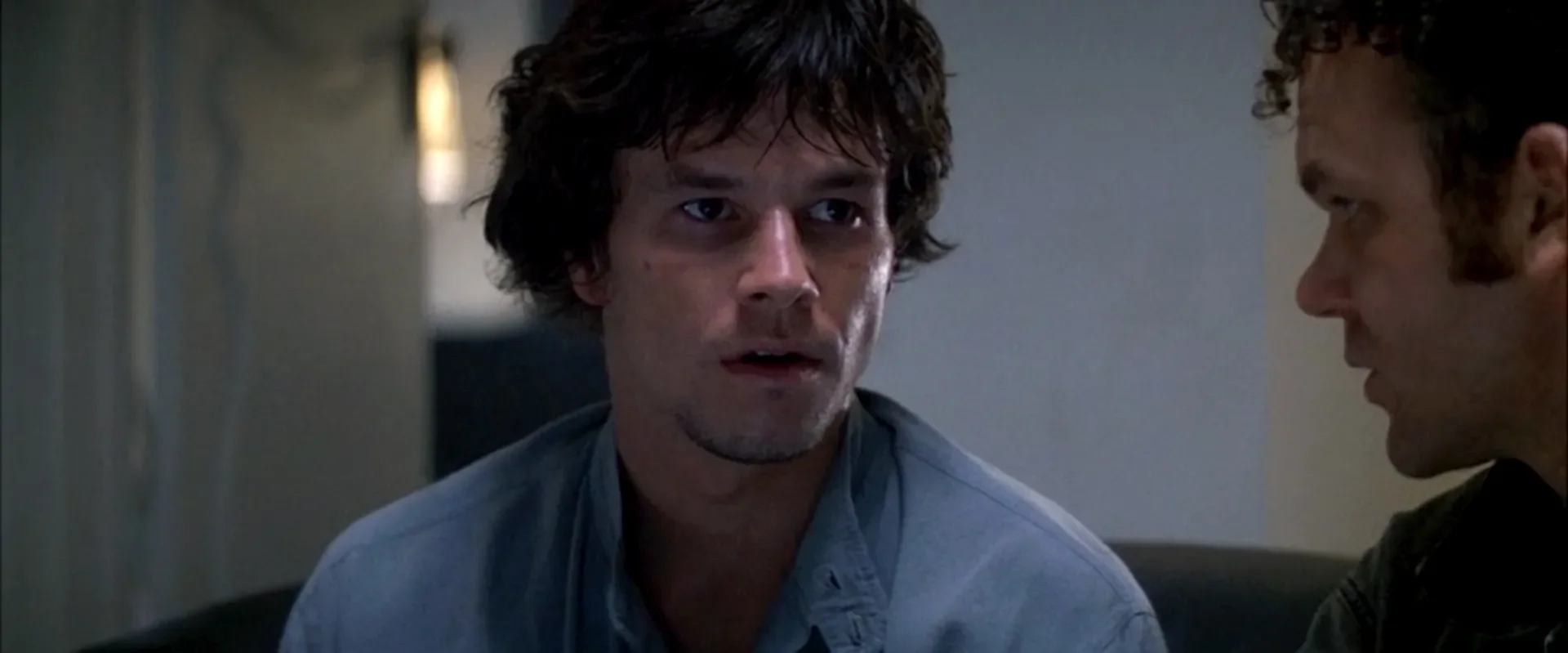
This is where the list starts feeling monumental. Boogie Nights represents PTA’s breakthrough in every possible way. The energy, the ensemble cast, and the sweeping ambition of the story make it feel alive from the first frame to the last.
There is a confidence here that feels fearless. The film moves through joy, tragedy, humor, and heartbreak with incredible momentum. For many filmmakers, this would be the career-defining achievement. For PTA, it was only the beginning.
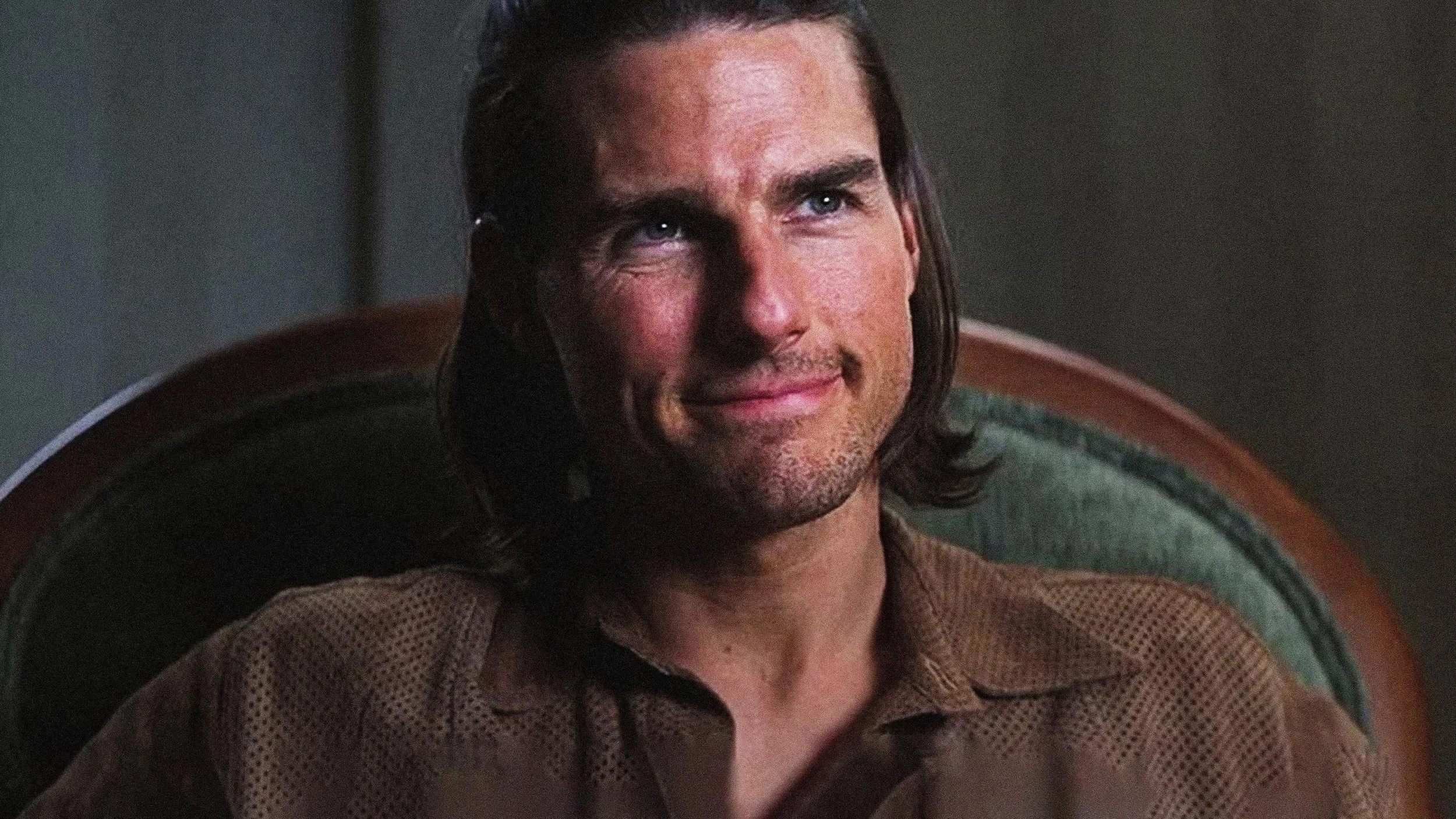
3. Magnolia
Few films feel as emotionally overwhelming as Magnolia. It is sprawling, messy, heartbreaking, and deeply human all at once. The film throws you into the lives of multiple characters and asks you to sit with their pain, their regret, and their desperate need for forgiveness.
This one sparked strong reactions across the team. Some of us view it as PTA’s most emotionally raw film. Others feel its ambition occasionally borders on excess. Even with that divide, there is widespread respect for its scope and its willingness to confront uncomfortable truths about family, trauma, and redemption.
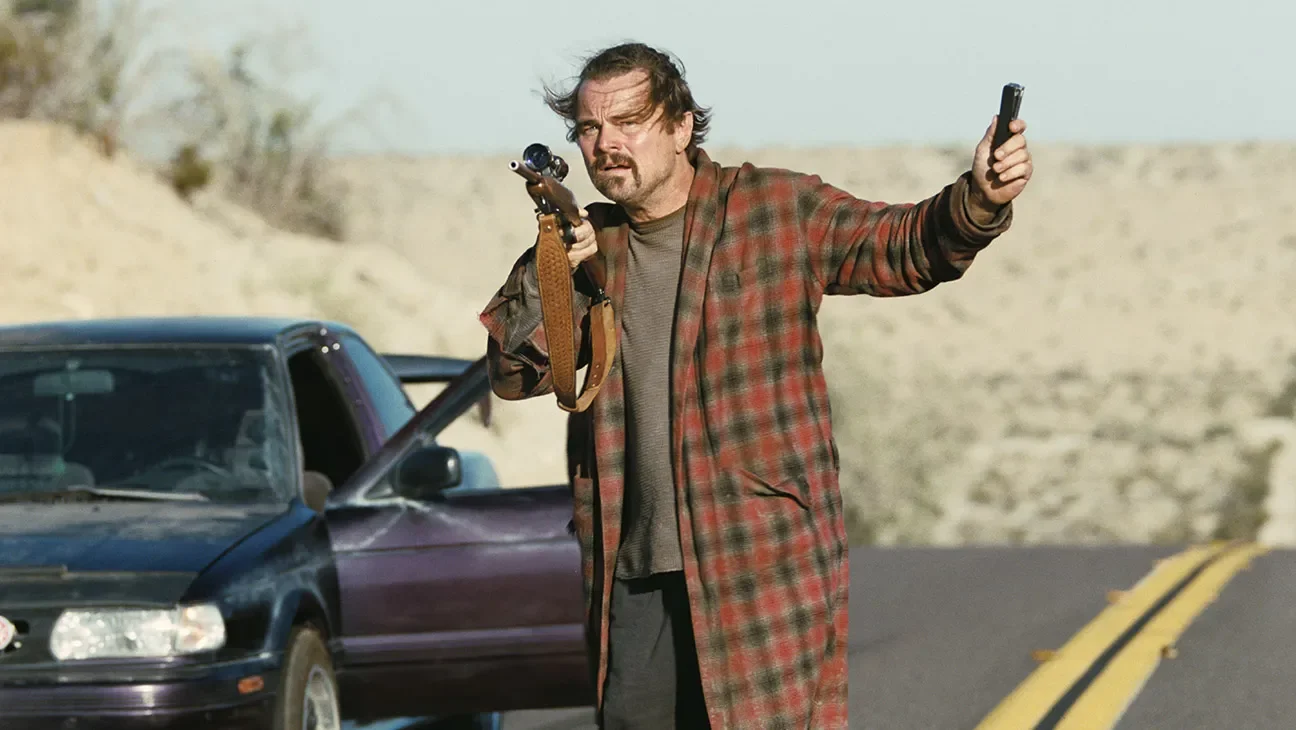
2. One Battle After Another
Placing One Battle After Another this high felt inevitable after revisiting it alongside the rest of the filmography. It carries the weight of a filmmaker working at full confidence, combining scale with emotional precision. The storytelling feels expansive while remaining grounded in character.
This film also feels like a culmination of everything PTA has explored throughout his career. Themes of loyalty, ambition, and survival collide in ways that feel both urgent and reflective. For several members of the team, this briefly held the number one spot before final rankings came together.
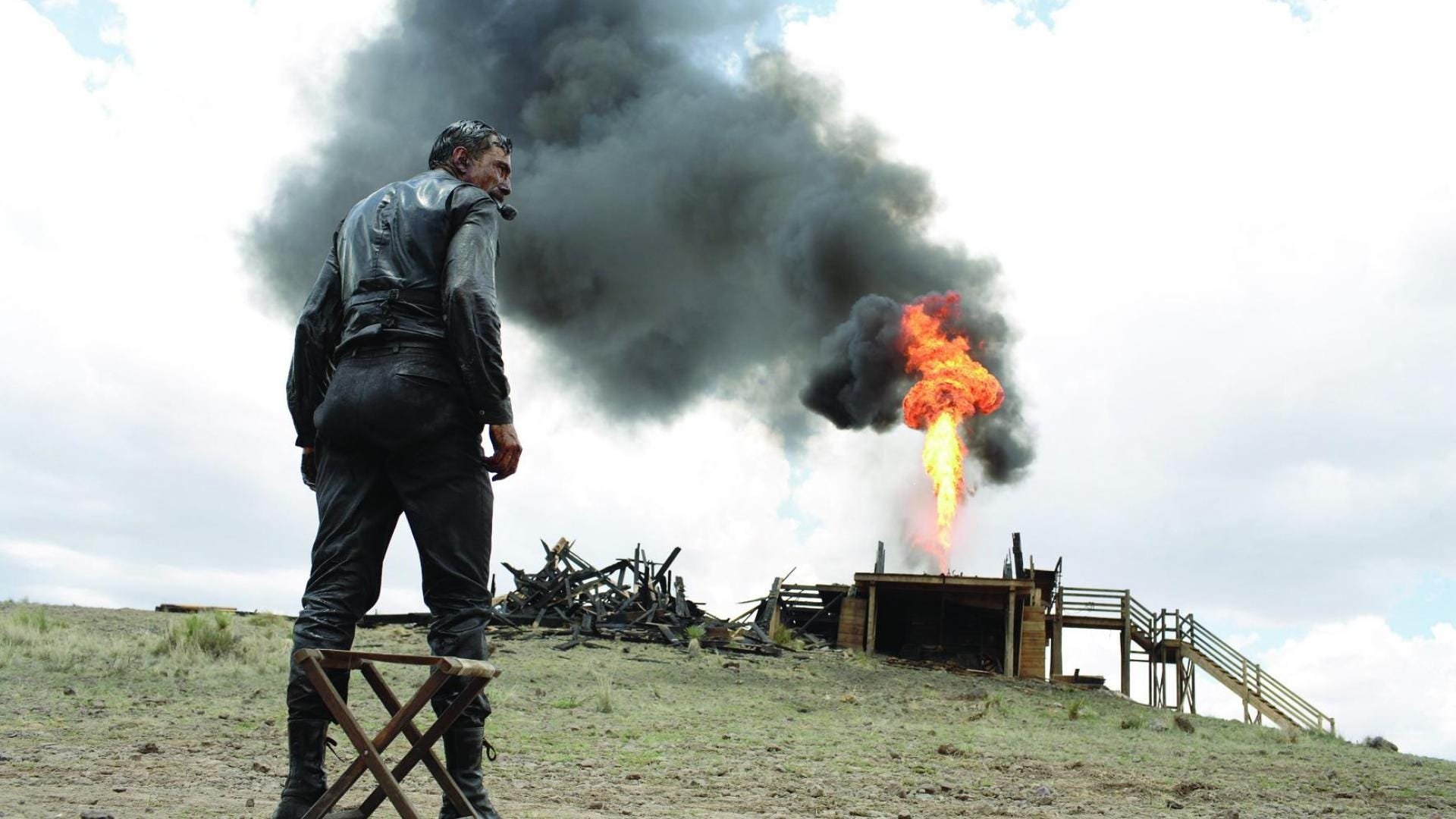
1. There Will Be Blood
At the top, there was very little debate. There Will Be Blood stands as the defining achievement of Paul Thomas Anderson’s career. It feels mythic in scale while remaining intensely personal. Daniel Plainview is one of cinema’s most unforgettable characters, a man driven by ambition, greed, and isolation.
What makes this film endure is its precision. Every shot feels intentional. Every line carries weight. The tension builds slowly until it becomes overwhelming. Watching it today still feels like witnessing something monumental. It is the rare film that reshapes expectations of what American cinema can be.
Ranking Paul Thomas Anderson’s filmography feels like ranking chapters in a larger story. Each film builds on the one before it, pushing deeper into themes of obsession, loneliness, and connection. Even the films that landed lower on this list carry moments that linger long after viewing.