
Women in Horror: FOUR Films That Defined SPRING
Horror has always belonged to women, even when the industry failed to give them full recognition. March 2026 delivered four strikingly different films led by performances that anchored fear, survival, and chaos. From campy cult chaos to psychological dread, these films reminded us why women continue to shape the future of horror.
By MIGUEL MATEO | MARCH 30, 2026
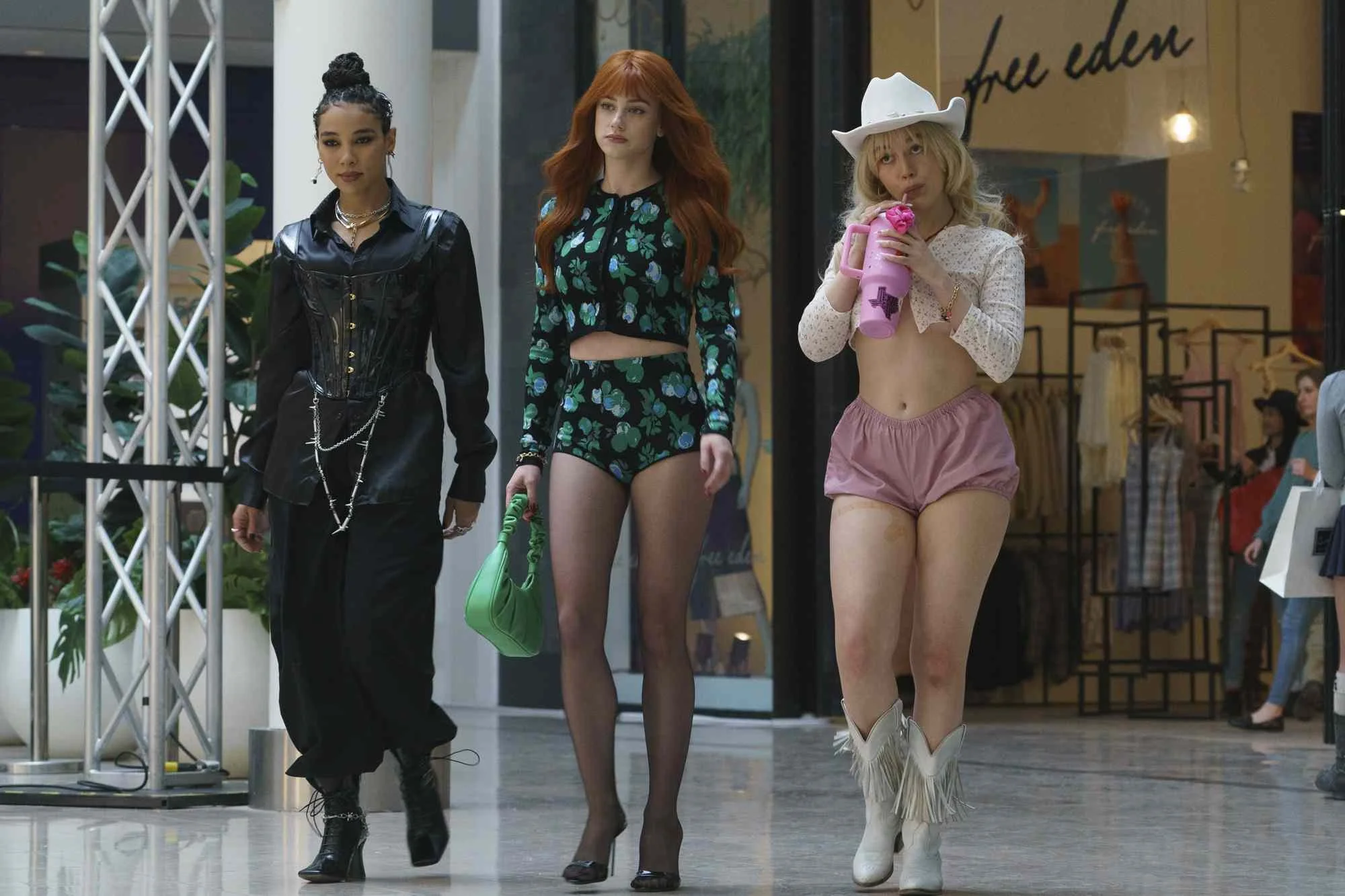
Horror has always belonged to women.
Long before studios started marketing "final girls" as brand identities, actresses were already carrying some of the most iconic films in the genre. From Carrie to Alien, from Rosemary’s Baby to modern landmarks like Hereditary, women have shaped horror through performance, vulnerability, rage, and survival. Yet recognition has often lagged behind the impact. Awards voters ignore the genre. Critics sometimes underestimate the craft. Audiences, meanwhile, never stopped showing up.
March 2026 felt like a reminder of that legacy.
Within just a few weeks, four very different horror films arrived, each led by women who anchored the chaos around them. Some leaned into comedy. Others embraced violence. One delivered something closer to traditional dread. Together, Forbidden Fruits, Ready or Not 2: Here I Come, They Will Kill You, and Undertone created a month that felt unusually rich for the genre, especially for stories built around a female perspective and survival.
Forbidden Fruits
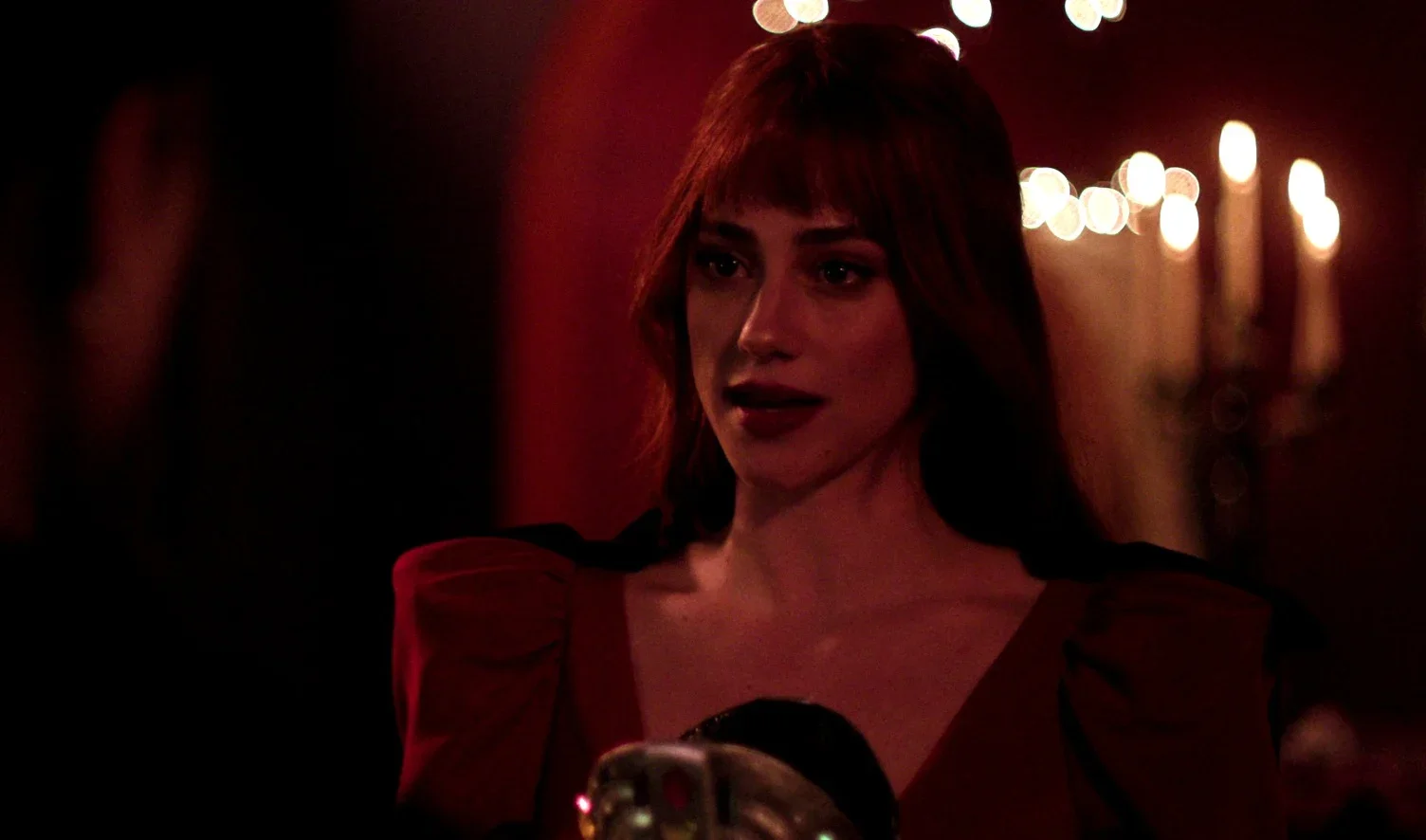
Of the four films released during this stretch, Forbidden Fruits feels the most destined to become a cult favorite. It carries the kind of chaotic, stylish energy that invites repeat viewings and late-night rewatches. The premise alone sets the tone. A group of girls working inside a mall form a witchy social circle that slowly reveals something darker beneath the surface. The film leans into camp, humor, and aesthetic excess while building tension at its own pace.
What makes the movie linger is its willingness to embrace messiness. This is the kind of film that refuses to smooth out its rough edges. Tonal shifts arrive abruptly. Characters behave unpredictably. Some viewers will fall in love with that unpredictability, while others may find themselves frustrated by it. That split reaction feels appropriate. Cult classics rarely win universal approval right away. They grow over time as audiences discover new layers beneath the chaos.
Lili Reinhart stands out as the film’s most commanding presence. She plays her role with a sharp confidence that borders on dangerous, channeling the kind of energy that turns a high school queen bee archetype into something genuinely threatening. Victoria Pedretti also brings an unexpected intensity to her role, stepping outside the haunted-house persona many audiences associate with her. Together, they help ground a film that thrives on unpredictability.

Ready or Not 2: Here I Come
Sequels rarely capture the same lightning as the original, yet Ready or Not 2: Here I Come manages something impressive. It picks up immediately after the first film, throwing Grace back into chaos before she has even processed her survival. That sense of continuity gives the sequel a breathless energy that never lets the audience relax.
What makes this installment feel fresh is how Grace evolves. She is no longer the terrified bride hiding from danger. She moves with intention now. She understands the rules of survival and refuses to repeat the mistakes of the past. Samara Weaving brings that transformation to life with remarkable confidence, making the shift from prey to strategist feel completely earned. Watching her navigate the chaos feels less like survival and more like retaliation.
There is also a growing sense of humor woven into the violence. The film leans further into the absurdity of its premise while embracing action-driven spectacle. The result feels louder, sharper, and more confident than many sequels dare to be. For some viewers, this might even surpass the original, which is rare territory for horror follow-ups.
They Will Kill You
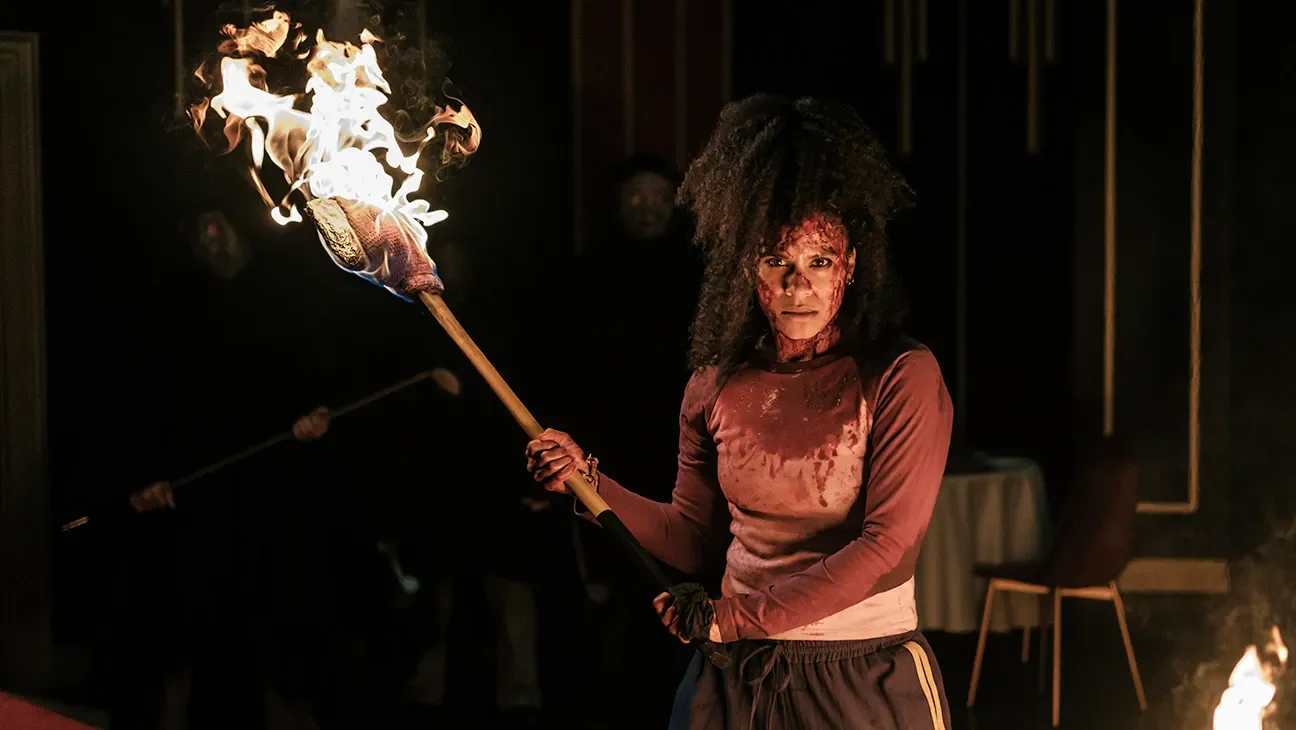
Sometimes a movie tells you exactly what it plans to do, and They Will Kill You delivers on its promise with unapologetic force. The title alone signals the tone. This is a survival story built on chaos, brutality, and relentless momentum.
The story follows Asia, played by Zazie Beetz, as she accepts what seems like a routine housekeeping job inside a towering New York high-rise. That sense of normalcy disappears almost immediately. Suspicion builds the moment she enters the building. Every interaction feels off. Every hallway feels watched. When violence finally erupts, it escalates quickly and refuses to slow down.
What makes the film memorable is how intensely it plays to the crowd. This is a theater experience built on shared reactions. Laughter erupts during moments of dark humor. Gasps follow sudden bursts of gore. The film feels engineered for audience participation, turning violence into spectacle without losing its sense of tension. There is a strong argument that this is the loudest and most purely entertaining horror film of the group.
Undertone
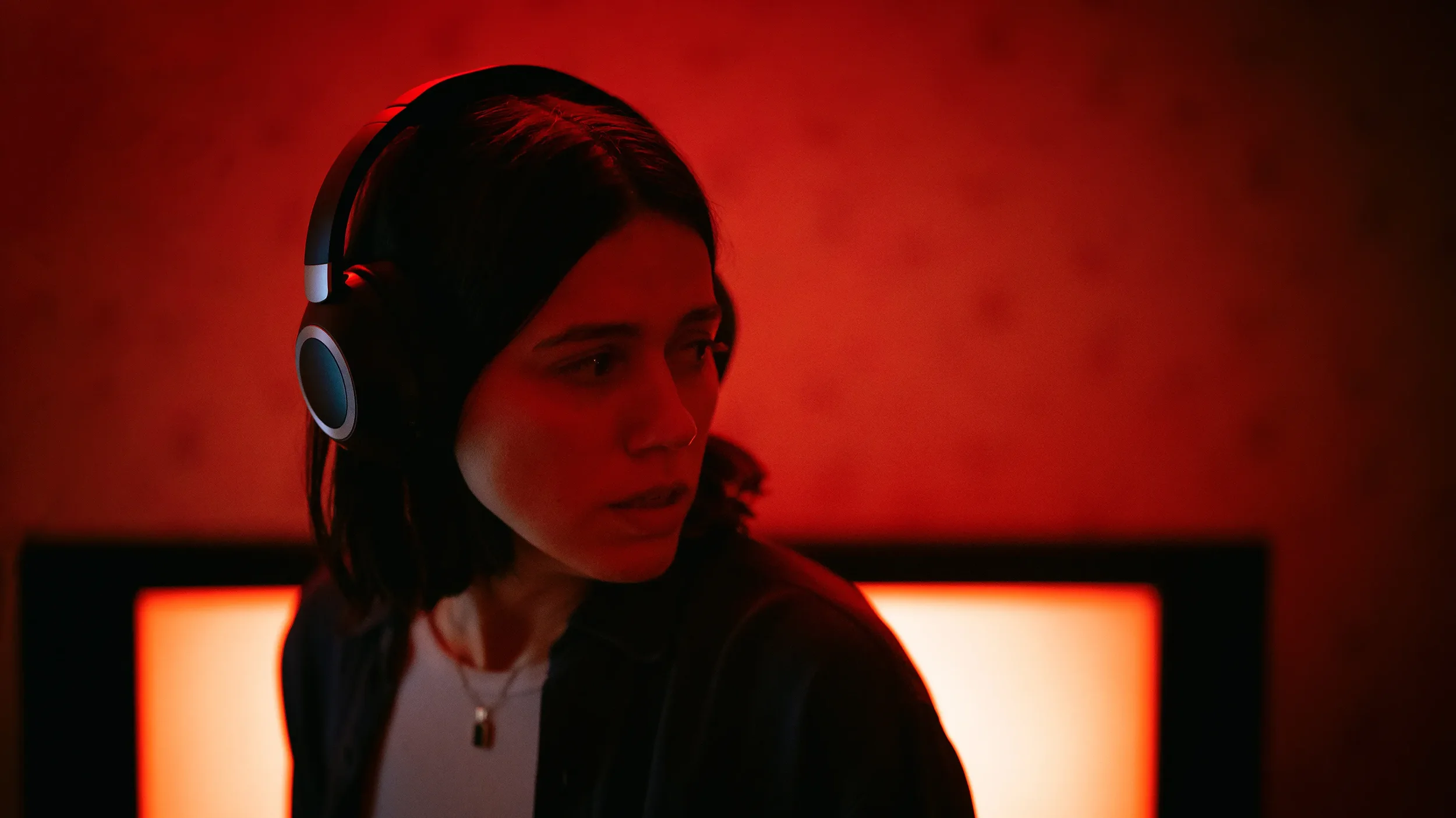
Among these four films, Undertone stands closest to traditional horror storytelling. It relies less on spectacle and more on atmosphere, tension, and psychological dread. The story centers on Evie, a podcast host caring for her dying mother while receiving mysterious audio files that slowly unravel her sense of safety. That concept alone taps into a familiar fear: the unknown hidden inside something ordinary.
Sound becomes the film’s greatest weapon. Instead of relying solely on visual shocks, the horror builds through what the audience hears. Strange audio recordings, distorted voices, and unexplained noises create a constant sense of unease. Even when the screen appears calm, the soundtrack reminds viewers that something is wrong. That immersive approach transforms simple scenes into moments of sustained tension.
While the film draws heavily from established horror tropes, it still manages to feel effective because of its focus on performance. Evie carries much of the film alone, navigating grief, anxiety, and growing dread without the support of a large ensemble cast. That isolation strengthens the emotional core of the story. It also reinforces one of horror’s oldest truths: fear becomes more powerful when it feels personal.