
All the Right Ingredients but the Dread Never Fully Sets In
Damian McCarthy’s latest horror film arrives with the blueprint of a classic haunted tale. A remote hotel filled with buried history, locked rooms, lingering tragedy, and personal ghosts waiting to resurface. On paper, Hokum feels tailor-made for fans of traditional ghost stories. But despite its strong foundation and carefully constructed atmosphere, the film never quite creates the lingering unease that defines the genre’s most memorable hauntings.
By MIGUEL MATEO | APRIL 30, 2026
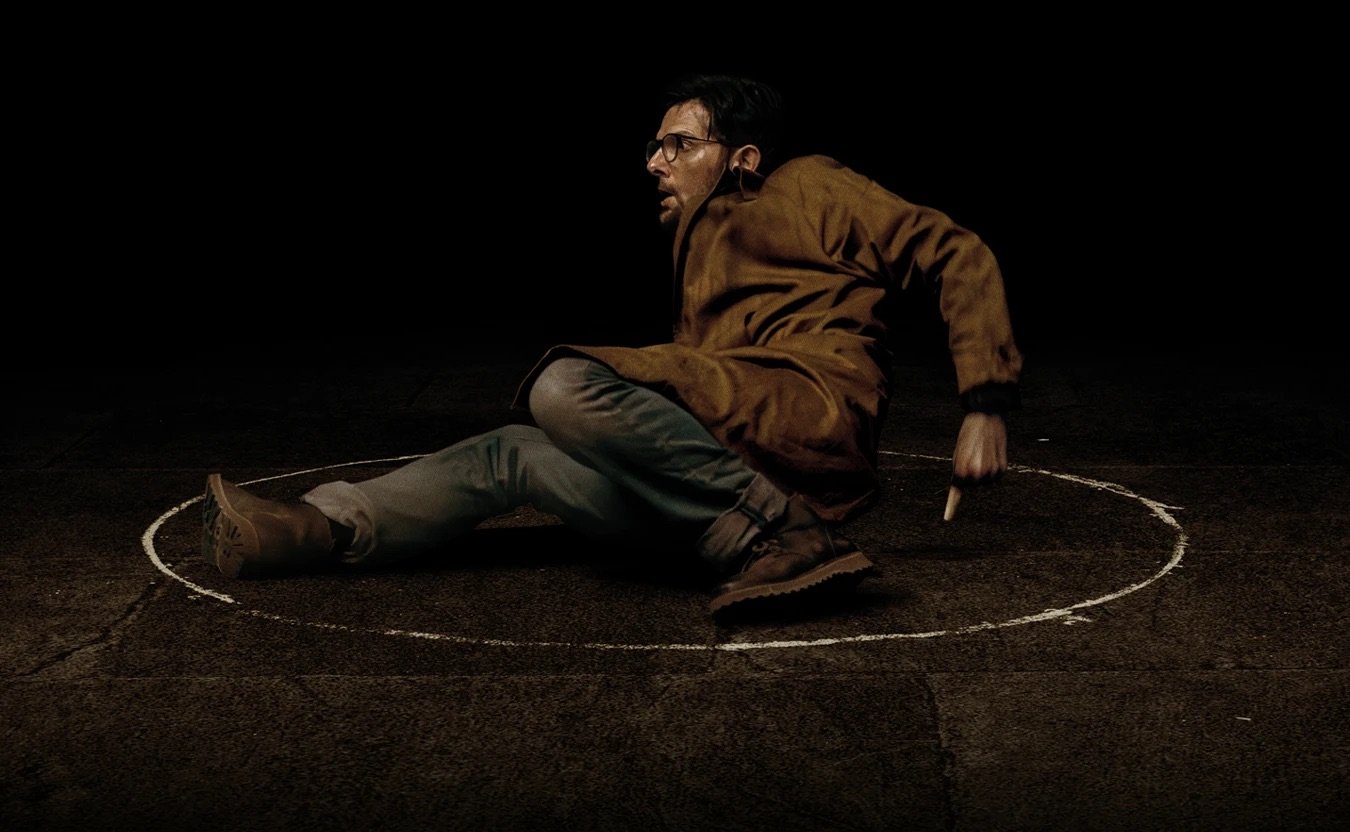
There’s something undeniably appealing about the premise of Hokum. The setup reads like a checklist of everything that makes classic ghost stories so effective. A secluded hotel sits at the center of the narrative, complete with a guest suite that remains permanently locked, whispered about but never entered. An author, played by Adam Scott, arrives with the intention of retracing his parents’ honeymoon from decades earlier. A missing employee, a buried murder mystery, and a looming witch tale tied to the hotel’s past all suggest a history thick with secrets waiting to surface.
It’s the kind of framework that feels instantly familiar in the best way. For horror fans who appreciate slow-burning haunted tales, these are the elements that signal possibility. The setting alone promises tension. The mythology hints at tragedy. The story places its characters in an environment that should feel unpredictable and unsafe. In theory, Hokum has everything it needs to create a haunting that lingers.
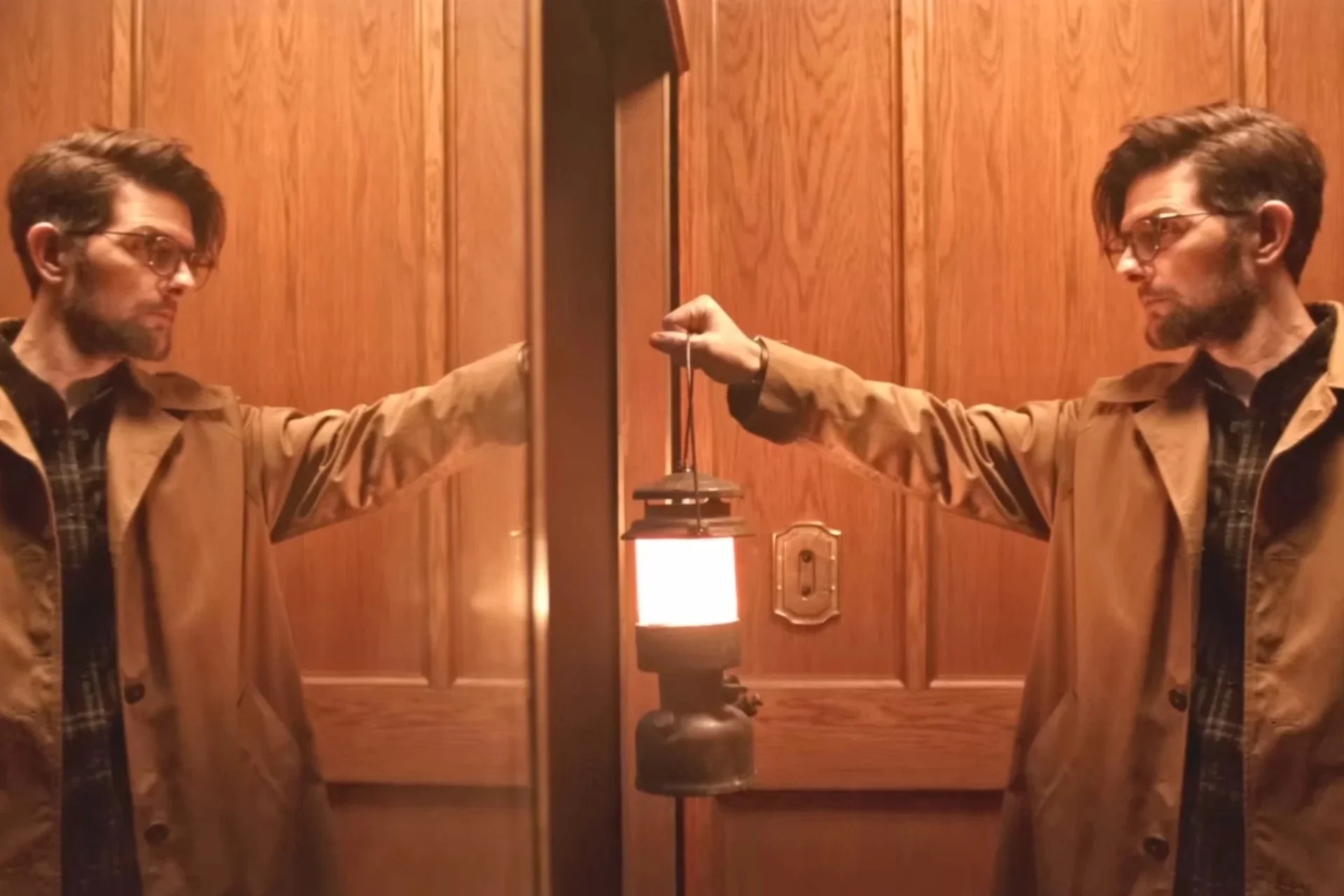
And in many ways, the film understands what it’s supposed to look like. The hotel itself is visually effective, filled with shadowy corridors and carefully framed spaces that suggest something lurking just out of sight. The production design leans into isolation and decay, giving the environment a sense of age and unease. There are moments when the film captures glimpses of what it could have been, flashes of tension that hint at a deeper, more unsettling experience waiting beneath the surface.
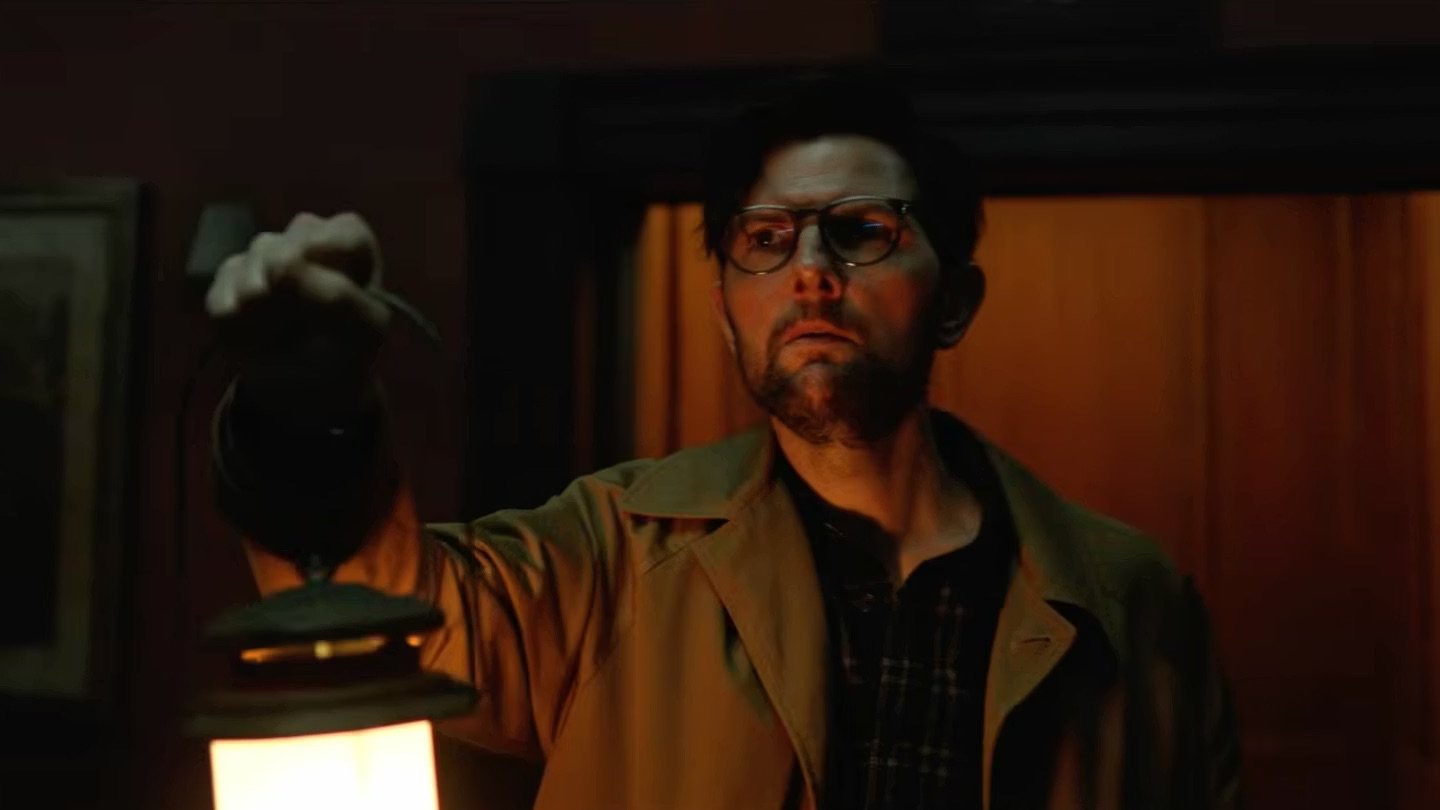
But that deeper unease never fully materializes.
The most noticeable absence in Hokum isn’t scares. There are jump scares scattered throughout the film, and many of them are competently staged. They provide quick jolts of surprise that momentarily wake the audience up. What the film lacks, however, is the quieter, more persistent kind of fear that lingers long after a scene ends. The best ghost stories don’t rely solely on sudden shocks. They create a sense of dread that hangs over every hallway and every shadow, making even stillness feel dangerous.
That lingering unsettled feeling never quite takes root here.
Films like The Sixth Sense mastered the art of emotional unease, allowing dread to quietly seep into the edges of each moment. The Shining transformed its setting into something alive and unpredictable, turning architecture into a source of fear in itself. Those films understood that atmosphere alone isn’t enough. It has to be supported by tone, pacing, and emotional weight that allow unease to build without interruption. Hokum gestures toward that tradition but rarely commits to it fully enough for the dread to take hold.
Part of this unevenness seems tied to the film’s tonal balance. There’s a noticeable layer of comic relief woven into parts of the story, particularly among supporting characters. Horror and humor can coexist, and when done correctly, the contrast between the two can sharpen tension rather than weaken it. But here, the humor often disrupts the mood instead of deepening it. Moments that should leave the audience sitting in discomfort are quickly softened, releasing tension before it has time to settle into something more lasting.
And that release of tension becomes the film’s recurring pattern.
Adam Scott delivers a capable performance as the film’s central figure, grounding the story with a steady and believable presence. He brings emotional weight to the character’s journey, especially as personal history begins to intertwine with the supernatural elements unfolding around him. There are hints of darker themes beneath the surface of his backstory, ideas that suggest deeper psychological and emotional stakes. Those elements point toward a version of Hokum that might have leaned further into seriousness and restraint, allowing its heavier themes to shape the tone more decisively.
Instead, the film often feels caught between moods. It wants to embrace the gravity of its subject matter while also maintaining moments of levity that dilute the overall tension. The result is a story that feels structurally sound but emotionally uneven. The pieces are there. The ideas are there. But the tone never settles into the kind of sustained unease that allows a haunted story to fully resonate.
What makes this particularly frustrating is how close Hokum comes to working. The foundation is strong. The mythology is intriguing. The atmosphere is carefully constructed. In many respects, it looks like the kind of film that should feel suffocating in the best possible way. Yet despite its visual strengths and thoughtful setup, the film never quite makes the audience feel unsafe within its world.
And that sense of unease is what ultimately defines great haunted stories.
Without it, even the most promising elements struggle to leave a lasting impression. Hokum remains respectable in its craftsmanship and ambition, and there’s clear care behind its construction. But it also feels like a missed opportunity, a film that assembled all the right ingredients without allowing them to simmer long enough to create something truly unsettling.
In the end, Hokum isn’t a failure. It’s something more complicated than that. A respectable horror film that gets many of the technical elements right but never quite captures the feeling that makes haunted stories unforgettable. Not the jump scares, not the mythology, but the quiet, lingering discomfort that stays with you after the lights come back on.
And that’s what makes it feel less like a bad horror film, and more like one that never fully became the haunting it promised to be.
Rating: ★★★ out of ★★★★★
Now in theaters