
A Stylish Return That Thrives on Familiarity
Twenty years after The Devil Wears Prada defined a generation of workplace ambition and fashion-forward storytelling, the long-awaited sequel arrives with the weight of nostalgia already built into its DNA. It’s entertaining, charming, and often genuinely funny, but the more time you spend thinking about it, the more you realize just how much it depends on your relationship with the original.
By MIGUEL MATEO | APRIL 30, 2026
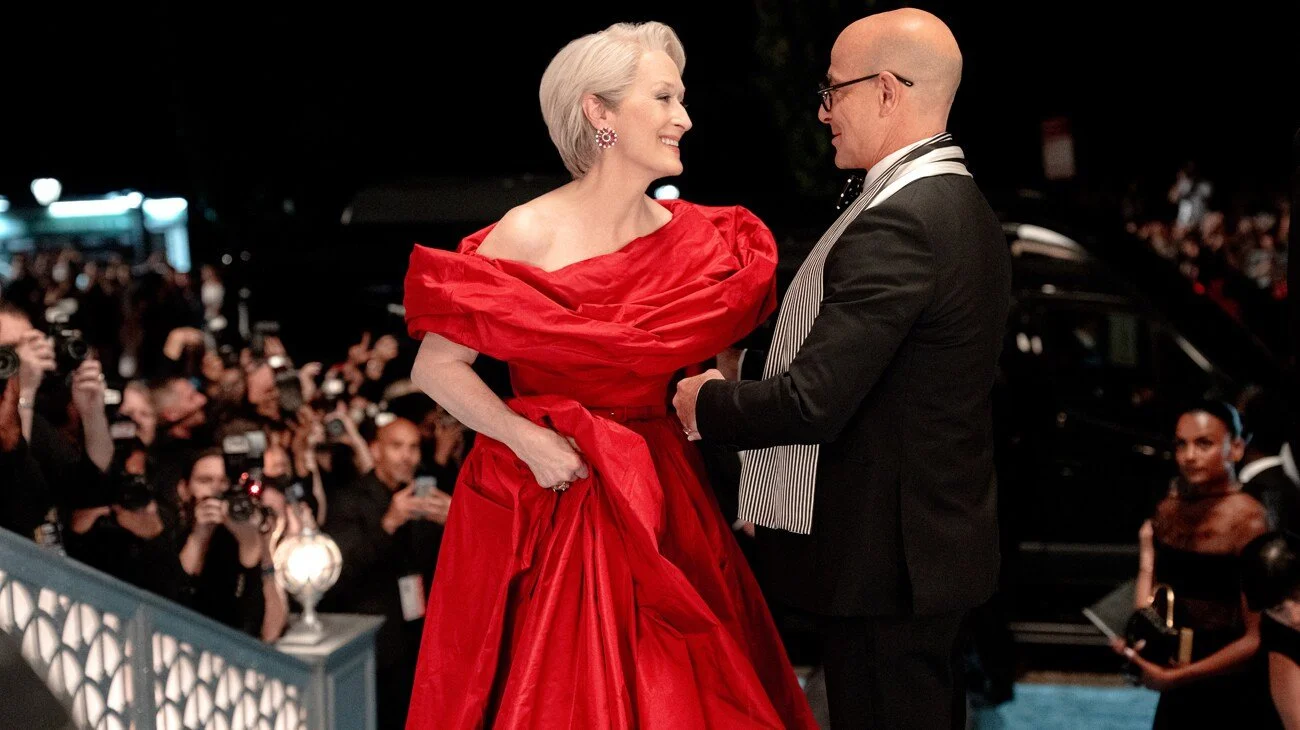
There’s something undeniably comforting about stepping back into the world of Runway. Seeing Anne Hathaway, Emily Blunt, Stanley Tucci, and Meryl Streep back together again doesn’t feel like watching a sequel as much as it feels like catching up with people you haven’t seen in years. That familiarity carries the film through large stretches, and honestly, it works. While I was watching it, I found myself genuinely enjoying the ride. I walked out of the theater feeling content, even happy that this world still had life left in it.
But the longer I sat with it, the more I started to feel conflicted.
Not because the film fails, but because it leans so heavily on reminding you why you loved the first one.
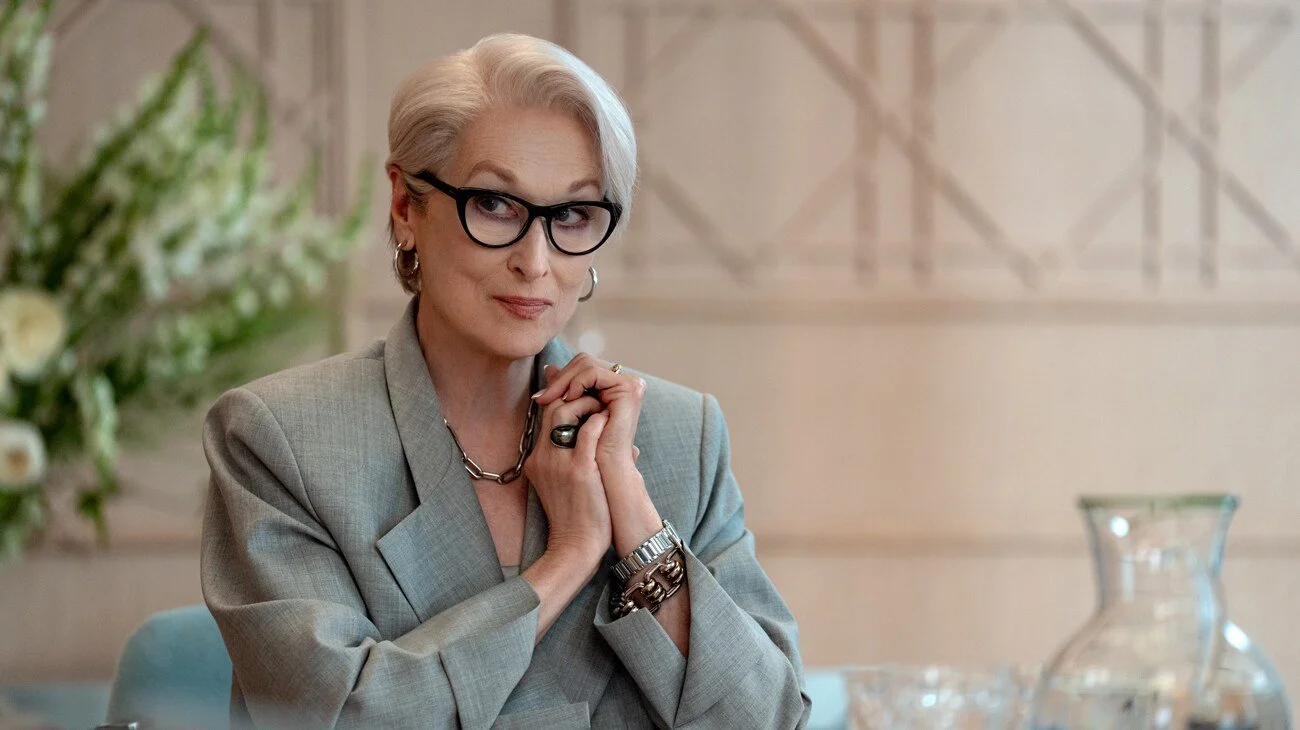
The story brings Andy back into the orbit of Runway after years away, now navigating a professional setback that pulls her back into a world she once left behind. It’s a setup that feels natural enough, especially as the film tries to reflect how media and fashion have evolved over the last two decades. The inclusion of corporate oversight and modern workplace guardrails, particularly around Miranda’s behavior, is one of the more interesting ideas here. It leads to some genuinely funny moments, watching someone as commanding as Miranda Priestley attempt to exist in a world that doesn’t operate the way it once did.
At the same time, that evolution comes with trade-offs. Miranda still commands attention whenever she appears on screen, but there’s a noticeable softening to her presence. Some of that makes sense in the context of the world changing, but part of what made her so unforgettable the first time around was how unmovable she felt. Here, she’s adapting, sometimes reluctantly, and while that adds humor, it also slightly dulls the sharp edge that once defined her.
What surprised me most is how busy the film feels. There are so many moving pieces that it occasionally feels like the story is working overtime to justify its own existence. New relationships are introduced, corporate shakeups unfold, old rivalries resurface, and multiple character arcs compete for attention. Out of all of those elements, the romantic subplot feels the least necessary. It never fully earns its place and ultimately feels like something carried over from the blueprint of the first film rather than something this story actually needed.
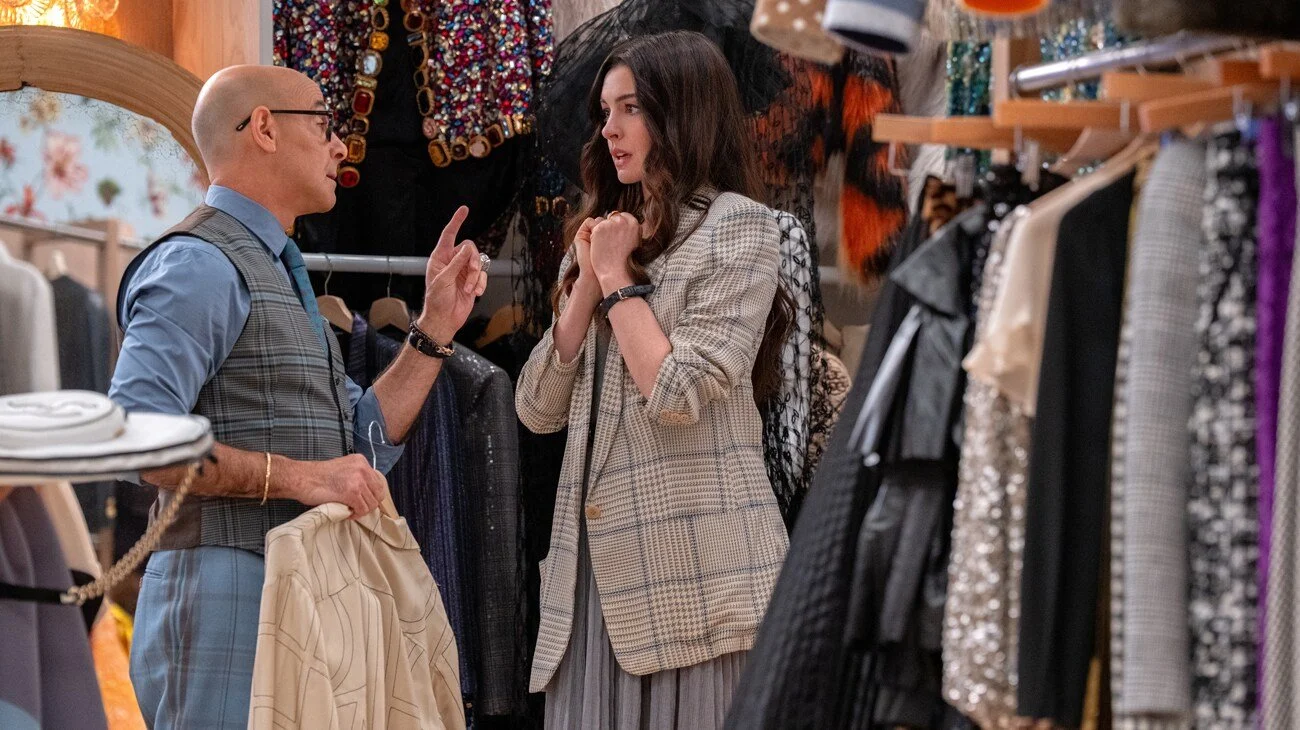
Where the film finds its footing again is in the relationships that mattered most from the beginning. Watching Andy reconnect with Emily is one of the most enjoyable parts of the movie. Emily, in particular, feels like the character who benefits most from returning to this world. She’s sharper, funnier, and more ambitious than ever, and many of the film’s biggest laughs come from her delivery and presence. There’s a competitiveness to her that feels authentic, like she’s always been working toward something bigger even when we weren’t watching.
Nigel’s arc also lands in a way that feels emotionally satisfying. There are moments between him and Miranda, and later between him and Andy, that feel earned rather than nostalgic for nostalgia’s sake. Those moments reminded me why these characters resonated so strongly in the first place. The film gives him space to feel valued, respected, and seen in ways that feel long overdue.
Still, the nostalgia is doing a lot of heavy lifting.
There are moments throughout the film that feel intentionally designed to echo the original, sometimes so closely that it becomes impossible not to notice. Scenes, lines, and even visual beats feel like reflections of what came before. While those callbacks are fun in the moment, they also highlight the film’s biggest limitation. Instead of carving out something entirely new, it often circles back to familiar territory.
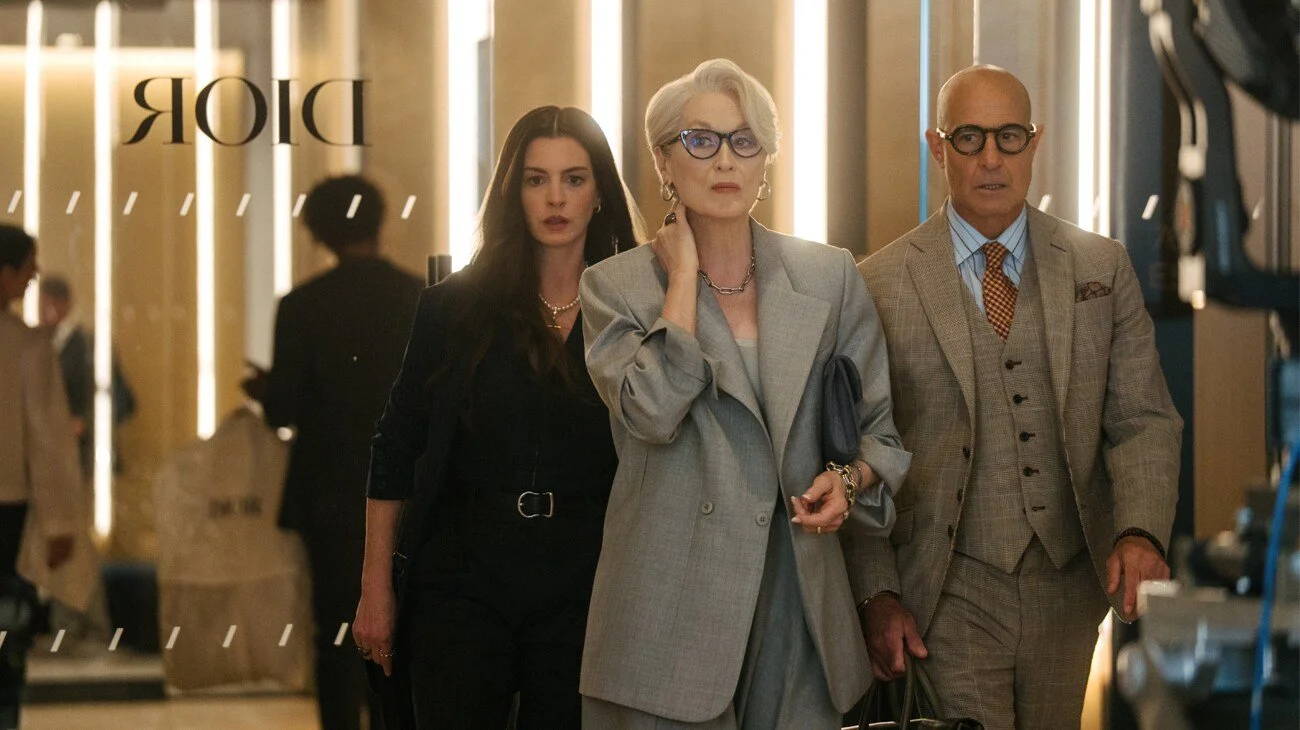
And yet, even knowing that, I can’t deny that I enjoyed watching it.
Part of that enjoyment comes from simply seeing these women continue to exist in spaces where their careers take priority. One of the most refreshing aspects of the sequel is how it reframes ambition. Where the original often positioned career success against personal relationships, this film feels more comfortable allowing its characters to exist without apologizing for their professional drive. There’s a confidence in that shift that feels reflective of how cultural conversations have evolved since the first film premiered.
Not everything works, though. The celebrity cameos are one of the few areas where the film feels overly indulgent. Instead of enhancing the world, many of those appearances feel distracting, pulling focus away from the characters we’re actually invested in. They feel less like natural additions and more like reminders of how big the franchise has become.
But even with those distractions, the film remains watchable, and at times, genuinely charming.
A lot of that comes down to emotional investment. If you grew up with the original, if those characters meant something to you at a specific time in your life, this sequel taps into that connection almost effortlessly. Watching these characters navigate a world that has changed around them carries a certain weight, especially when you realize how much time has passed not just for them, but for us as viewers.
That’s ultimately what defines the experience.
If you’re a fan of the first film, there’s a strong chance you’ll walk away feeling satisfied, even if you recognize its flaws. If you don’t have that connection, if the original was just another movie rather than something culturally meaningful, this sequel might feel less impactful. Nostalgia is the film’s strongest currency, and without it, some of the emotional beats may not land the same way.
Walking out of the theater, I felt happy that this sequel exists. That feeling hasn’t completely faded, but it has changed shape the more I’ve reflected on it. This isn’t a sequel that surpasses the original, and it never truly feels like it’s trying to. Instead, it offers something more familiar and rooted in memory.
Sometimes that familiarity is exactly what makes it enjoyable. And sometimes it’s exactly what holds it back.
Rating: ★★★1/2 out of ★★★★★
Now in theaters