
A Playlist Without a Pulse
Michael reminds us why Michael Jackson became a global phenomenon, but rarely shows us the man behind the movement. It’s an entertaining trip through iconic moments, yet one that feels more like a greatest-hits montage than a revealing portrait.
By MIGUEL MATEO | APRIL 23, 2026
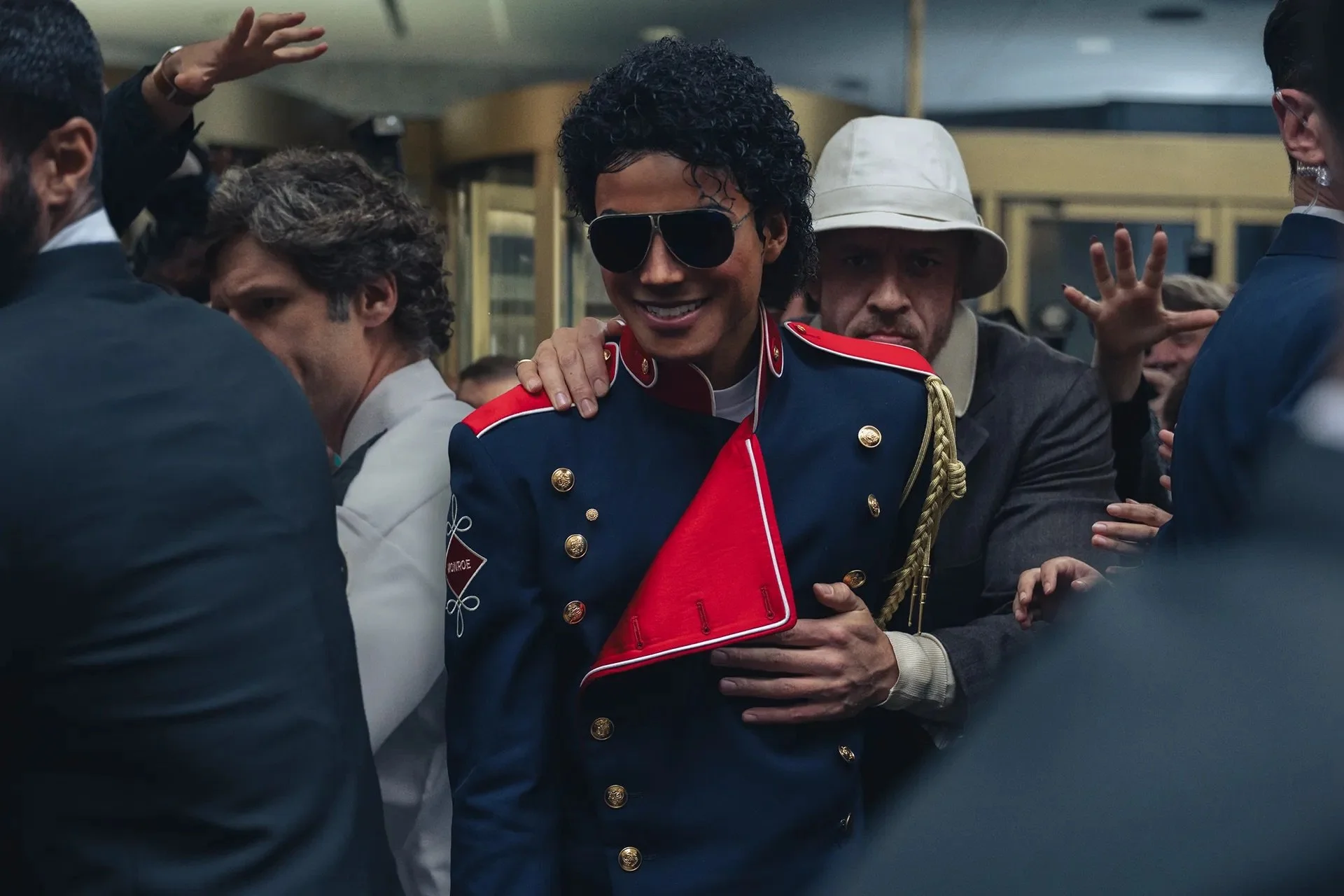
Walking into Michael, I carried a lot of built-in affection. Like many people, I grew up on his music. My parents played Motown constantly, and Michael Jackson’s voice was always somewhere in the background of my childhood. So sitting in a theater with booming speakers and hearing those songs again on a massive scale felt instantly familiar. My feet were tapping even in moments where my brain was questioning what the movie was actually giving me.
That’s probably the film’s biggest strength and its biggest crutch. The music still hits. Hearing those tracks in Dolby sound, seeing the costumes recreated, watching the choreography come to life on a giant screen, it reminds you how original and influential Michael Jackson was as an artist. The film captures the spectacle of his performances well, and Jafar Jackson deserves real credit here. When he’s on stage, he moves with a delicate precision that feels true to the image many of us remember. There’s a sweetness to his performance that occasionally lets you feel the vulnerability behind the icon.
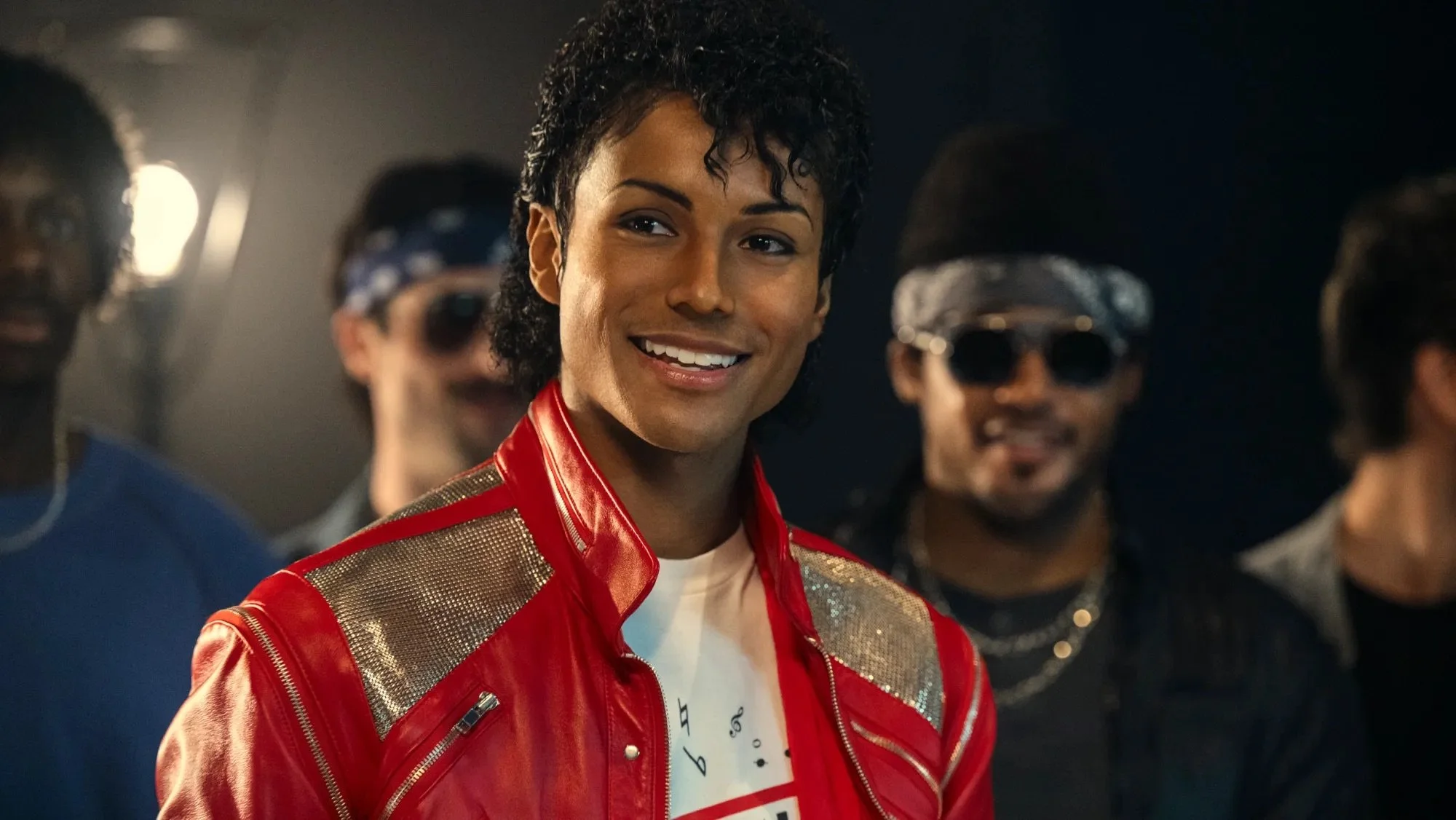
But the more the movie moves forward, the clearer it becomes that it’s built like a checklist. One famous moment leads to the next, each one recreated with technical polish but very little emotional glue holding them together. It starts to feel less like a narrative and more like flipping through a Wikipedia timeline with high production value. We move from year to year, event to event, rarely pausing long enough to understand who Michael is when the lights aren’t on.
That’s what I kept wanting most: stillness. A moment to sit with him. To hear his thoughts. To see how he processed the immense pressure of being one of the most recognizable people on the planet. Instead, the film often feels content to celebrate the mythology rather than explore the humanity behind it. Even relationships that seem important on paper never fully land emotionally, leaving you feeling like there was more story left on the table.
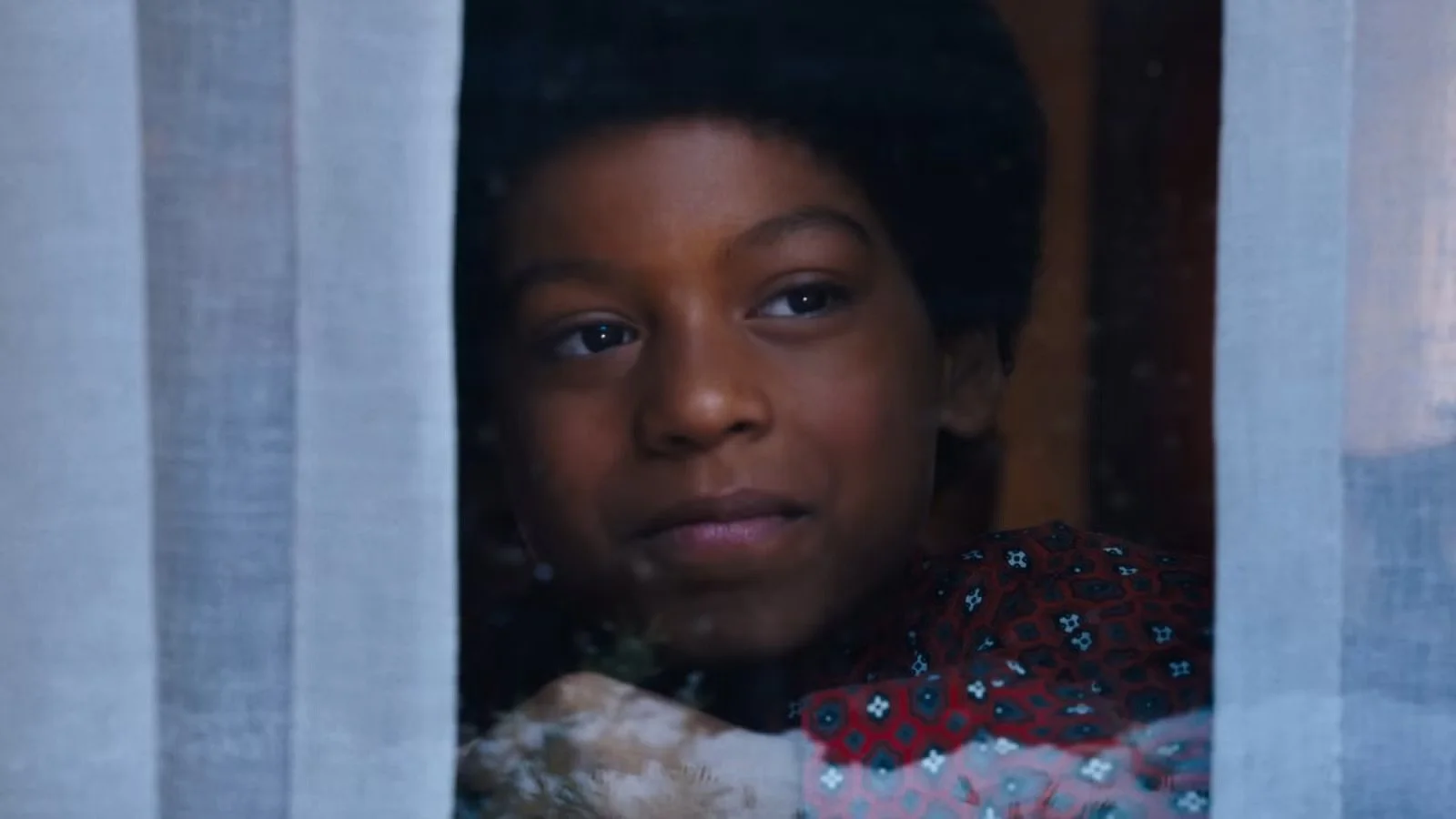
Oddly, I found the early sections of the film among the strongest. The Jackson 5 era carries a sense of innocence and identity that feels grounded in character rather than iconography. There’s more texture there, more sense of a young artist trying to find his place. As the film transitions into the later years, it becomes increasingly focused on recreating moments we already know rather than revealing something new about the person at the center.
Still, it would be unfair to pretend the film isn’t entertaining. It is. There are stretches where it feels like watching a concert film dressed up as a biopic, and in those moments, it works. The costumes look incredible, the production design captures the era, and hearing those songs again on a theater sound system carries undeniable energy. If you love Michael Jackson’s music, you’ll find moments to enjoy, even if you leave wishing for more depth.
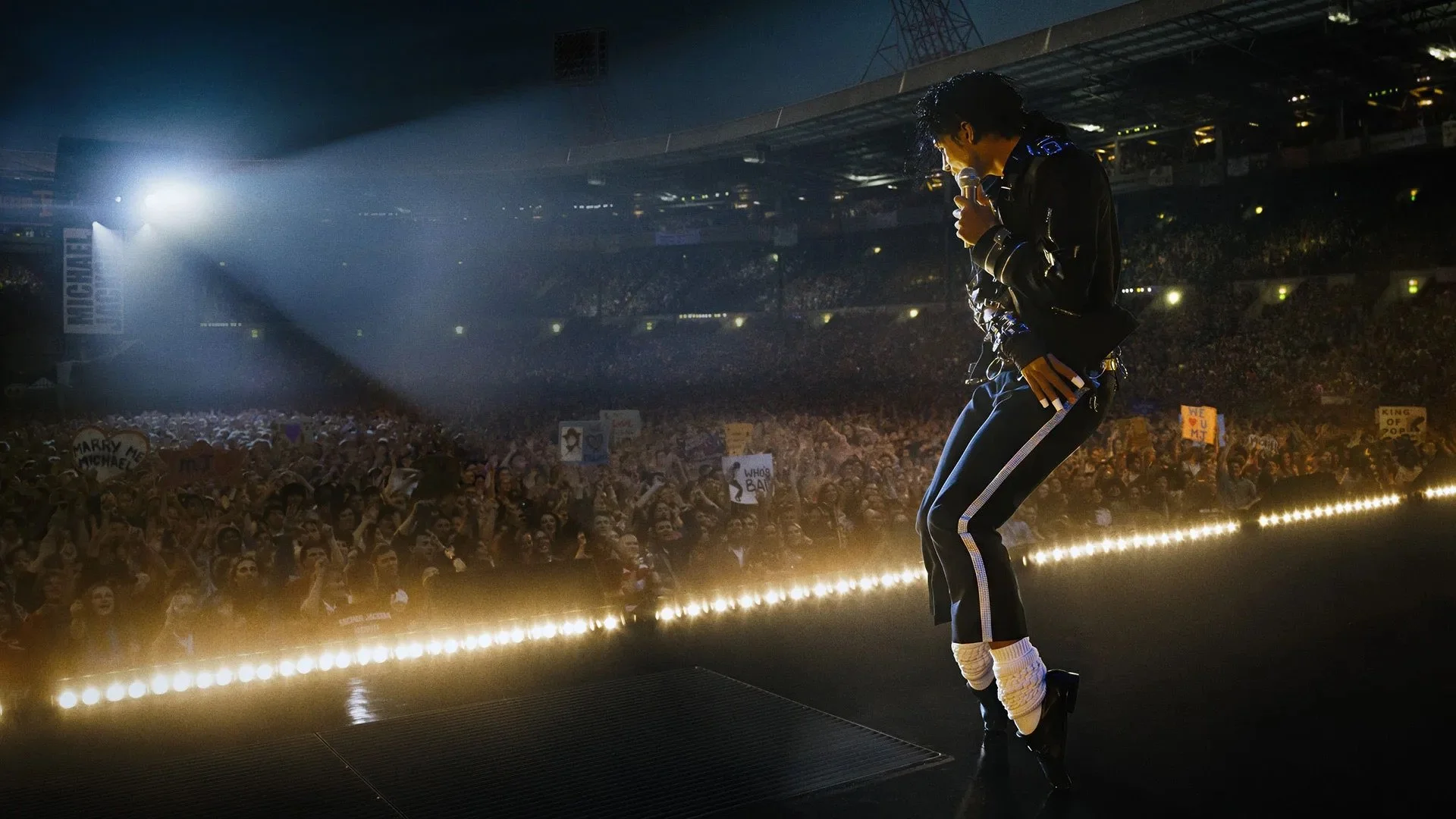
That’s ultimately where I landed. Michael isn’t a disaster, and it isn’t empty of value. But it feels safe. Too safe. It celebrates the highlights without digging into the quieter, more revealing spaces that could have turned this into something unforgettable. By the time the credits roll, you’ve heard the hits and seen the moves, but you’re still left wondering who Michael Jackson really was when the stage lights went dark.
And maybe that’s the film’s biggest missed opportunity. Not the lack of showmanship, but the lack of soul.
Rating: ★★1/2 out of ★★★★★
Now in theaters