
A Quietly Devastating Portrait of a Man the World Turned Into a Myth
Behind every viral moment lies a human story that rarely gets told. #SKYKING looks beyond the headlines to explore the loneliness, restlessness, and quiet desperation that shaped one of the most unforgettable moments in recent aviation history.
By MIGUEL MATEO | APRIL 13, 2026

In August 2018, the world watched in disbelief as news broke that a Horizon Air employee had stolen a commercial aircraft and taken off from Seattle-Tacoma International Airport. What followed was a surreal 70-minute flight, broadcast across news networks and social media as people listened to the pilot's conversation with air traffic control in real time.
The man behind the controls, Richard "Beebo" Russell, quickly became a national obsession. His voice, calm yet fractured, circulated online. Clips went viral, memes followed, and narratives formed. Within hours, the story stopped being about a man and became about what people wanted him to represent.
#SKYKING, which I watched at SXSW earlier this year, dismantles that mythology piece by piece. Rather than recreating the spectacle, the documentary reframes the event as something far more intimate: the final chapter in the life of a man who felt he had reached the end of his emotional rope.
The film's central device is devastatingly effective. Russell's loved ones, including friends, family members, and former coworkers, sit together and listen to the full audio of his final conversation with air traffic control. For many of them, this is the first time hearing it in its entirety. The audience listens alongside them, sharing in their reactions as laughter, confusion, heartbreak, and grief surface in waves.
What emerges is not the story of a thrill-seeker or a political symbol. It is the portrait of a man who had lost his sense of purpose.

Russell repeatedly apologizes during the recording. He calls himself broken. He speaks with a quiet resignation that suggests years of emotional fatigue rather than a sudden act of chaos. One of the most haunting moments comes when he admits that he no longer feels like living. In those words, stripped of spectacle, the incident becomes something deeply personal: a cry for help disguised as an act of defiance.
The film also carefully examines the pressures that shaped Russell's internal world. There is speculation that a missed career opportunity became a breaking point, particularly a belief that he was judged not on his work but on perceptions tied to class. The suggestion that he may have been viewed as "white trash" adds another layer to the story, shifting the focus toward issues of dignity, self-worth, and social hierarchy.
Perhaps the most surprising element of #SKYKING is its reflection on how quickly Russell was politicized. In the aftermath of the incident, competing narratives emerged. Some framed the story through the lens of race or diversity hiring practices. Others cast him as a working-class rebel standing against corporate America. The documentary rejects both extremes, suggesting instead that the truth lay somewhere quieter and more human: a man struggling under pressure, feeling invisible within systems larger than himself.
One of the most widely discussed aspects of the original incident was Russell's mid-air barrel roll, a moment that fueled both fascination and controversy. Online, it became mythologized as an act of daring. In #SKYKING, the moment takes on a different meaning. As Russell's loved ones listen to the recording, their emotional reactions transform the sequence into something bittersweet. It feels less like celebration and more like recognition of a fleeting moment of freedom before an irreversible end.
That emotional reframing is what gives the documentary its lasting power.
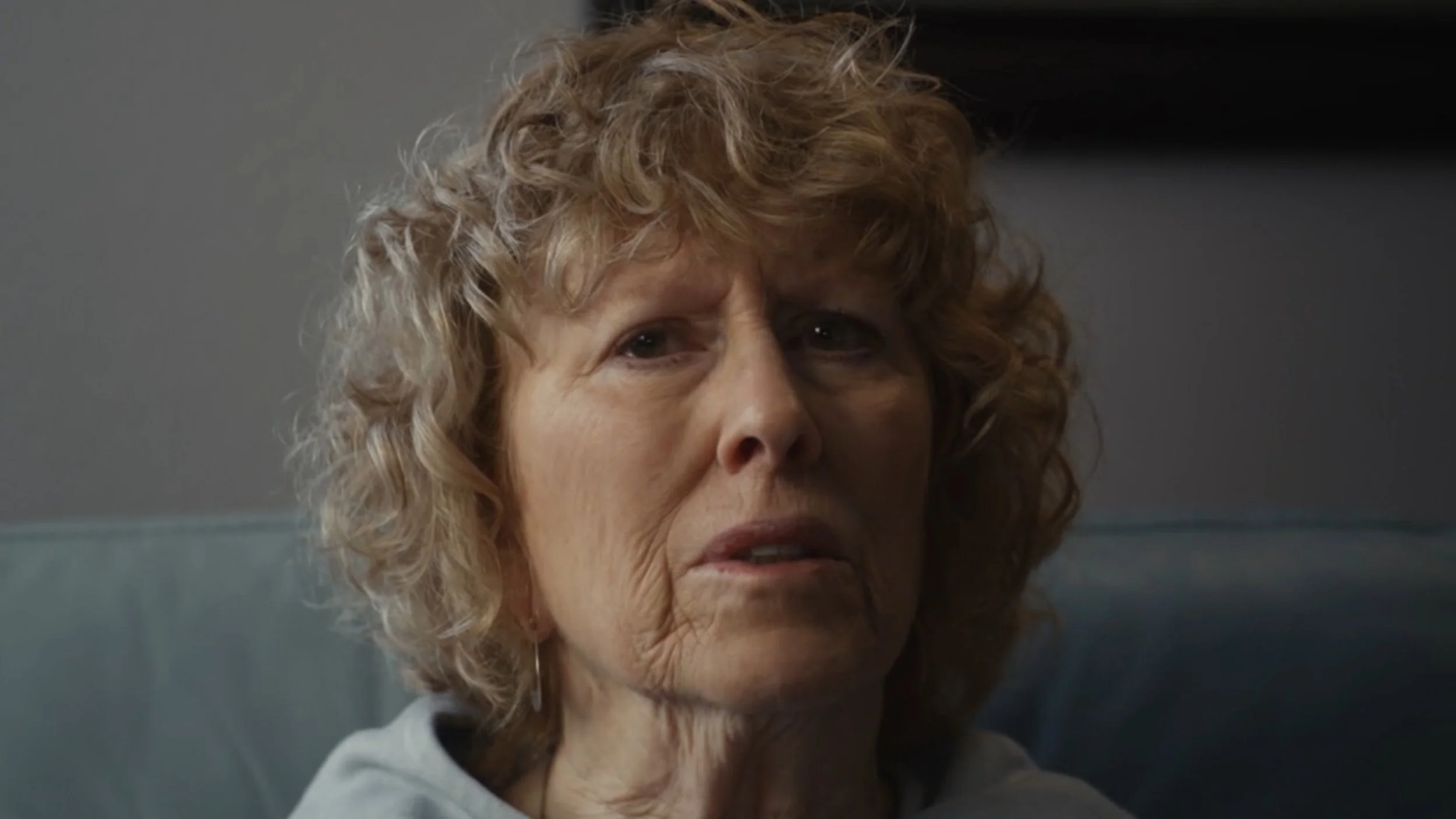
There is an undeniable tension in presenting a story like this. The risk of sensationalizing tragedy always lingers. Yet SkyKing walks that line with surprising care. The sweeping score that accompanies certain moments may initially suggest spectacle, but the film consistently returns to the human cost beneath the headlines.
Another striking element is the film's exploration of online myth-making. In the days following the incident, Russell's voice circulated across platforms, often detached from context. Sympathy blended with fascination. Humor blurred into tragedy. The documentary acknowledges how easily public perception can distort reality, turning private pain into public entertainment.
Watching #SKYKING at SXSW, surrounded by an audience that remembered the original incident, added another layer of resonance. There was a shared awareness that many of us had consumed this story in fragments years earlier. This film restores those fragments to a fuller, more uncomfortable whole.
Ultimately, #SKYKING succeeds because it refuses easy answers. The film never tries to justify Russell's actions, and it never simplifies them into something designed only to shock or entertain. Instead, it presents a deeply human portrait of someone who felt overwhelmed by expectations, haunted by self-doubt, and unable to see a path forward.
It is a heavy film, but an important one.
More than anything, #SKYKING reminds us how quickly the world turns individuals into symbols, and how easily empathy gets lost in the noise of viral storytelling.
It is a haunting documentary, and it is absolutely worth watching.
Rating: ★★★★ out of ★★★★★
Now streaming on Hulu and Hulu on Disney Plus