
A Friendship Found at the Edge of the Universe
At its heart, Project Hail Mary is about what happens when two unlikely beings find connection in the emptiness of space. Beneath the science and spectacle lies a deeply emotional story about loyalty, sacrifice, and friendship. It is the kind of film that leaves behind memories long after the final scene fades.
By MIGUEL MATEO | MARCH 20, 2026
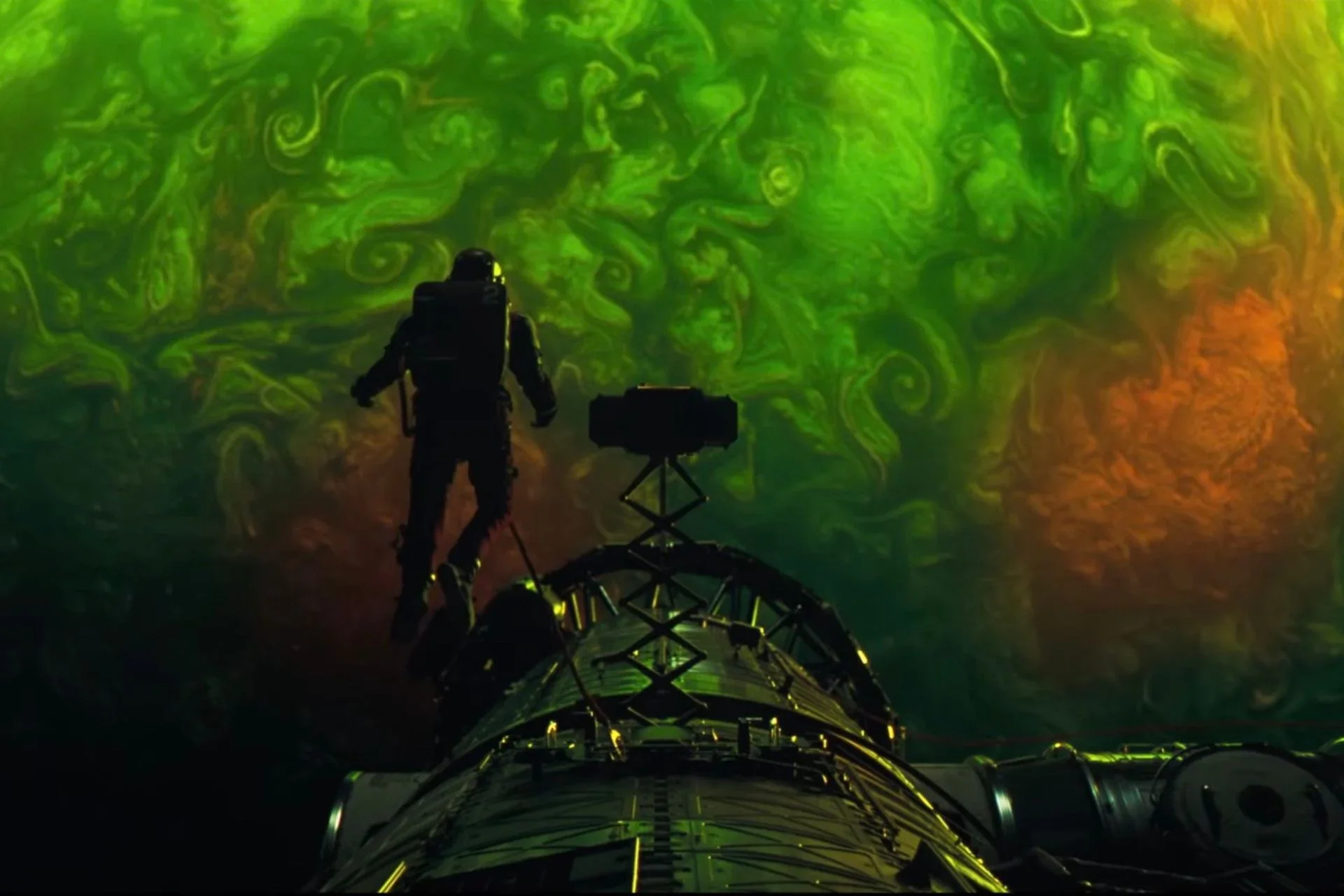
There are moments in movies when the noise fades into the background, and the quietness takes hold. A gesture. A look. A moment of understanding between two characters who should never have met.
Project Hail Mary gave me that feeling.
I walked into the theater expecting another large-scale space story. The kind filled with scientific puzzles, ticking clocks, and the looming threat of extinction. Space films have trained us to expect grandeur, philosophy, and the endless weight of humanity’s survival. I carried those expectations into the first act, unsure how this story would stand beside the giants that came before it.
For a while, I stayed cautious. The film takes time to find its rhythm. It introduces its mission, its stakes, and Ryland Grace's isolation, a teacher pulled into the impossible responsibility of saving Earth’s dying sun. There is tension in that setup, yet something deeper waits beneath the surface.
Then Rocky arrives.
And the film transforms.
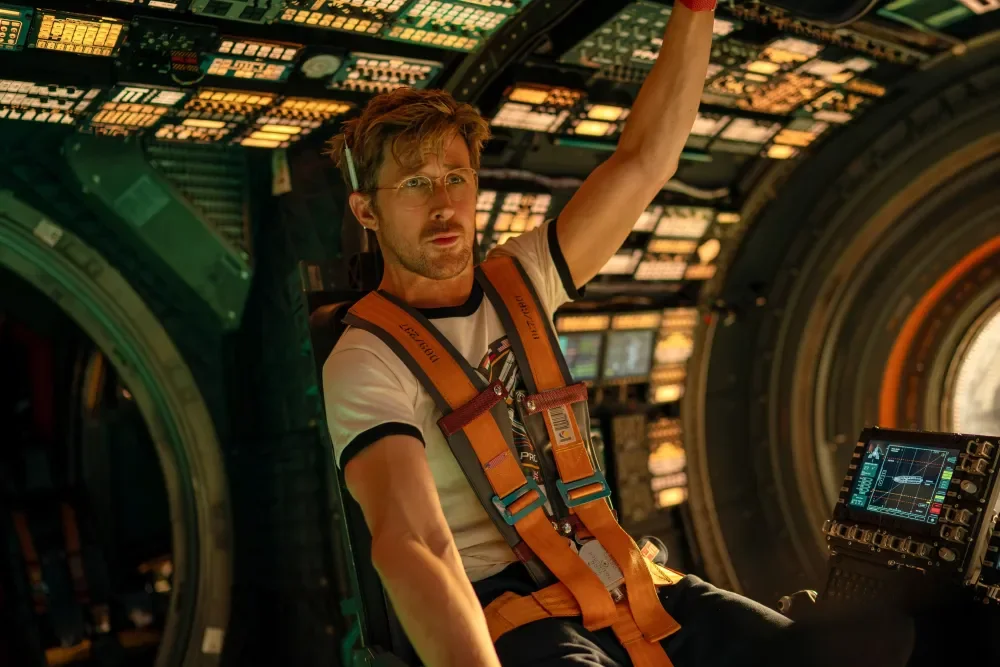
What begins as a story about survival becomes something far more intimate. Two beings from different worlds begin to learn how to communicate. At first, their connection feels fragile, shaped by uncertainty and hesitation. Every sound, every movement carries the risk of misunderstanding. Yet curiosity pushes them forward.
Trust grows slowly.
Language forms through patience. Respect follows. Friendship emerges in the quiet spaces between experiments and discoveries.
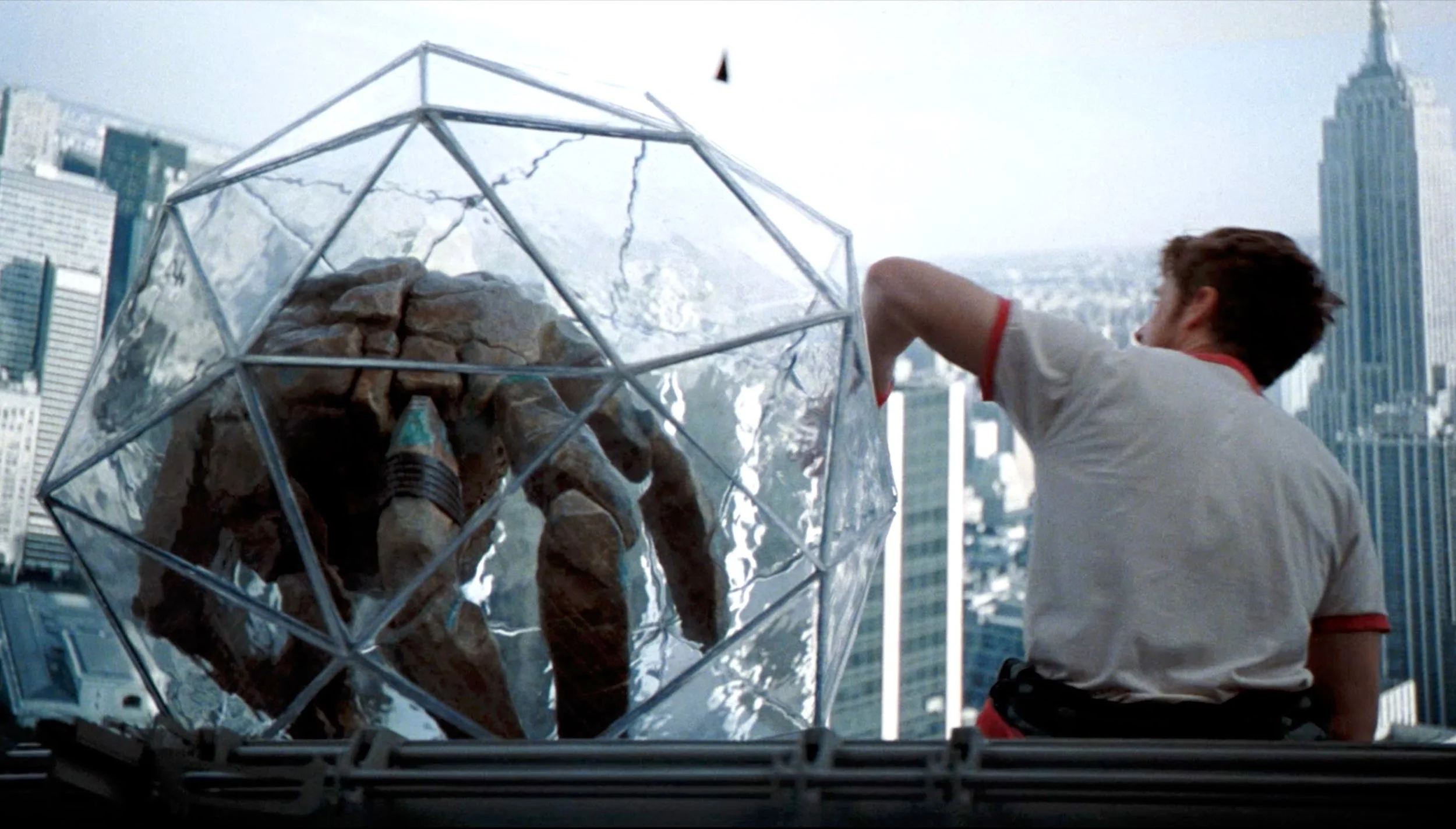
Watching that friendship unfold felt like witnessing something rare. It carried the same emotional weight as the great cinematic friendships that linger in memory. The bond between Elliott and E.T. felt that way. The connection Chuck Noland had for Wilson, his volleyball in Cast Away, carried the same longing for companionship in isolation. Rocky and Grace belong in that lineage, a reminder that connection remains one of the most powerful forces in storytelling.
What makes their relationship resonate so deeply is how natural it feels. There is no grand declaration announcing their bond. No sweeping speeches explaining their importance to one another. Instead, the film leans into small moments.
Those moments accumulate until the friendship feels essential to survival itself.
Ryland Grace enters this story as a man defined by distance. His life on Earth carried its own form of isolation. Relationships faded. Purpose felt uncertain. Even the memories of his past reveal a life shaped by hesitation and doubt. When he meets Rocky, something shifts inside him.
For the first time, connection feels immediate and genuine.
That transformation gives the film its emotional gravity. The mission to save Earth remains urgent, yet the deeper journey belongs to Grace himself. He discovers meaning through companionship. He finds belonging in the presence of someone who understands him, even across impossible boundaries.
Ryan Gosling brings vulnerability to Grace in ways that feel deeply human. He allows confusion to sit on his face without rushing toward resolution. Humor slips into moments of tension, creating warmth where fear once dominated. His performance invites the audience to experience discovery alongside him.
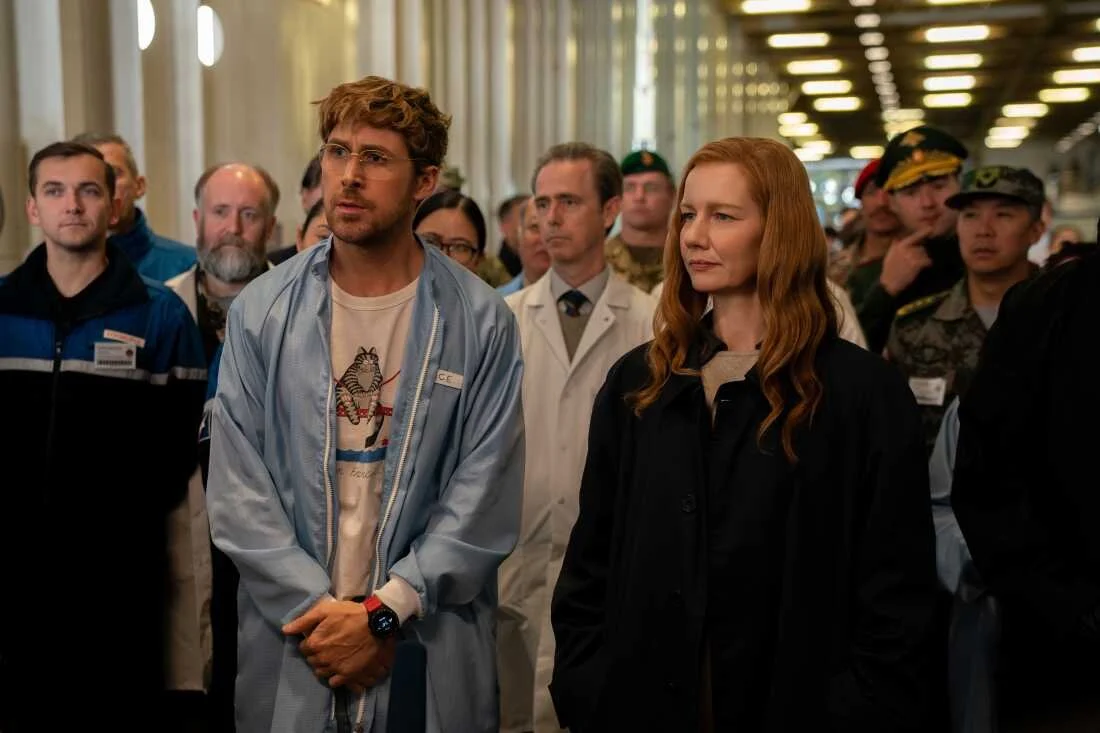
Sandra Huller adds another layer of complexity to the film. Her presence carries the weight of difficult decisions and quiet sacrifice. One scene in particular lingers in memory, a karaoke performance that reveals emotion through restraint. The choice of song becomes a window into her burden, offering a glimpse of the humanity hidden beneath her composure.
These performances anchor the film’s larger ambitions.
Visually, Project Hail Mary embraces the scale of space with confidence. Vast emptiness stretches across the screen. Light bends and fades into darkness. Yet even in those expansive images, the story remains grounded in intimacy. The film understands that awe alone cannot sustain emotional investment.
Connection creates memory.
The structure of the narrative reflects the uncertainty of memory itself. Pieces of Grace’s past surface gradually, revealing the circumstances that led him into space. Each revelation deepens the emotional stakes, allowing the audience to understand his fears and regrets. By the time the full truth emerges, the weight of his journey feels undeniable.
That unfolding mirrors the way relationships form in real life. Trust does not arrive instantly. It builds over time, shaped by shared experience and quiet understanding.
By the final act, the friendship between Grace and Rocky carries the emotional weight of the entire film. Their bond becomes the reason to keep moving forward. Survival alone no longer feels like the ultimate goal. Loyalty, trust, and companionship take its place.
That shift gave the ending its power.
I found myself reflecting on the simple truth at the heart of the story. Even at the farthest edges of the universe, connection remains the force that keeps hope alive. Two beings separated by biology, language, and distance still manage to find common ground.
That idea feels both hopeful and deeply human.
Some films impress you in the moment. Others stay with you long after. Project Hail Mary stays because of the friendship at its core and the emotional weight it carries.
In a genre built on isolation and survival, that kind of connection feels quietly groundbreaking.
Rating: ★★★★½ out of ★★★★★