
Blue Heron Is a Quietly Devastating Portrait of Family, Love, and Impossible Choices
Sophy Romvari’s debut feature approaches family trauma with remarkable intimacy and compassion, capturing the emotional weight of loving someone while fearing what their struggles may mean for everyone around them. Told through fragmented memories and deeply human performances, Blue Heron becomes a tender, heartbreaking portrait of a family trying to hold itself together in the face of impossible decisions.
By MIGUEL MATEO | MAY 15, 2026
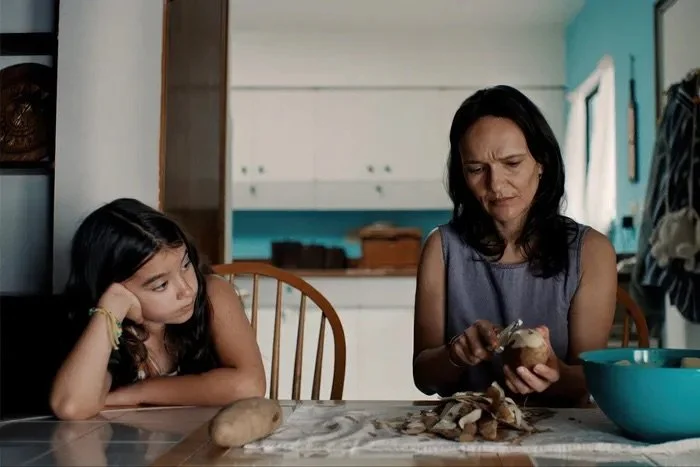
Blue Heron tells its story with such intimacy that it often feels less like watching a film and more like quietly witnessing a real family unravel in front of the audience. Sophy Romvari approaches the material with remarkable compassion and restraint, never forcing dramatic moments when silence or observation can say far more. The result is a film that feels deeply personal, almost as if the viewer has been invited into this family’s home to watch them struggle through something none of them are emotionally equipped to handle.
What makes the film so affecting is how honestly it portrays the impossible position this family finds themselves in with their eldest son, Jeremy. Romvari never simplifies him into a danger or a burden, nor does she romanticize his struggles. Instead, the film exists within the painful gray area between love, fear, guilt, and responsibility. Some of the hardest scenes to watch are the quietest ones, particularly the moments where the parents speak in hushed conversations late at night after the younger children have gone to bed. The exhaustion behind every pause and unfinished sentence says more than any dramatic outburst could.

One especially memorable sequence involving the family gathered around the dinner table captures the tension simmering beneath the surface without anyone openly exploding. Romvari understands that families often communicate pain through silence, avoidance, and carefully chosen words rather than confrontation. Another heartbreaking moment comes as Sasha slowly begins to recognize that the adults around her are making decisions she cannot fully understand, even as she emotionally feels the weight of them. The film captures the unique sadness of experiencing family instability through the eyes of a younger sibling who senses everything changing before fully comprehending why.
The film also excels at showing the ripple effect Jeremy’s struggles have on every member of the household. The parents carry a constant emotional fatigue, the younger children live in uncertainty, and the home itself gradually begins to feel consumed by tension. Yet despite all of this, Blue Heron never loses sight of the love that still exists between them. That emotional honesty is what makes the film so devastating. Even as the family begins to realize that keeping Jeremy safe may require painful separation from the rest of the household, every decision remains rooted in love rather than rejection.
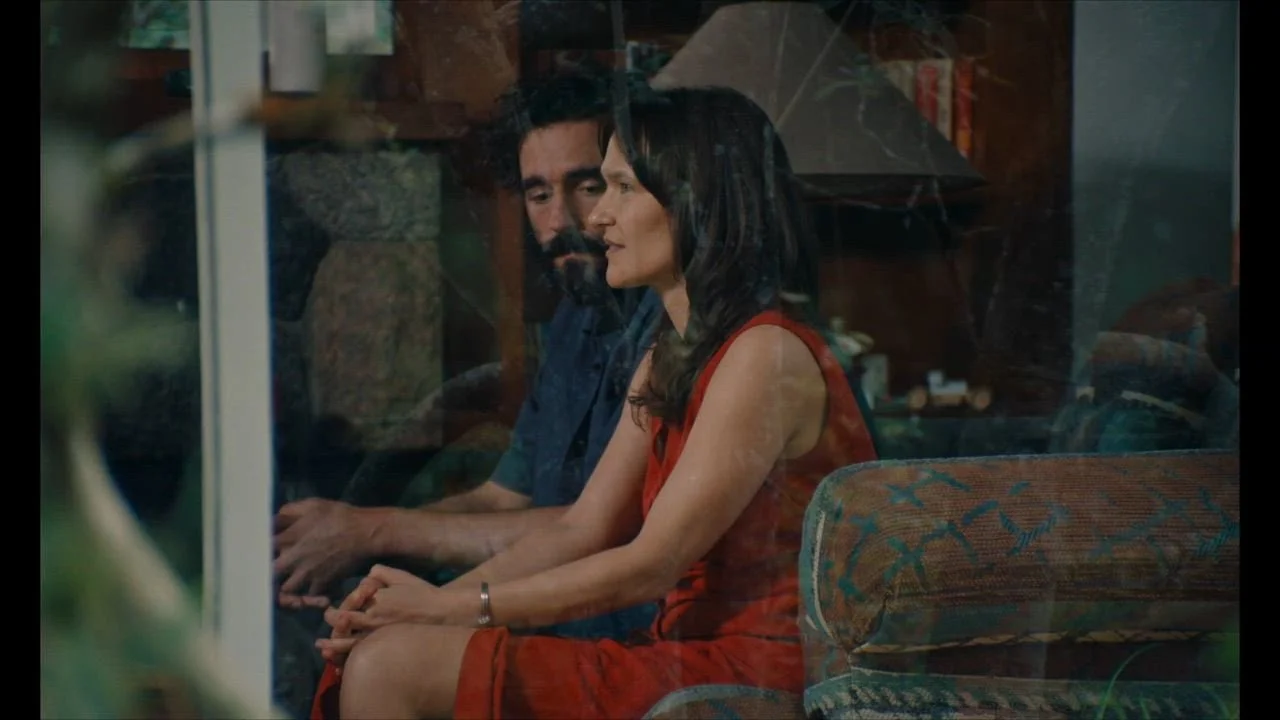
While the transition into the present-day timeline may initially feel somewhat abrupt, the structure becomes more effective as the film unfolds. Experiencing the story through Sasha’s fragmented memories gives the narrative a haunting quality, almost like revisiting moments from childhood that never fully healed. Though the shifts in time occasionally feel disorienting, they ultimately reinforce the emotional perspective Romvari is aiming for.
There is a tenderness to Blue Heron that lingers well beyond its runtime. By the film’s closing moments, the emotional weight of this family’s pain becomes overwhelming precisely because Romvari never forces sentimentality. Instead, she allows the audience to simply sit with these characters and their grief. In the span of a relatively short runtime, the film makes this family’s ache feel profoundly real.
For a debut feature, Blue Heron is remarkably assured filmmaking from Sophy Romvari, announcing a storyteller with tremendous empathy and confidence behind the camera. It is a quietly devastating film that leaves a lasting emotional impact, and a strong introduction to a filmmaker worth watching closely moving forward.
Rating: ★★★★ out of ★★★★★
Now in theaters