
MIGUEL MATEO
FOUNDER | Editor-in-chief
FEATURE
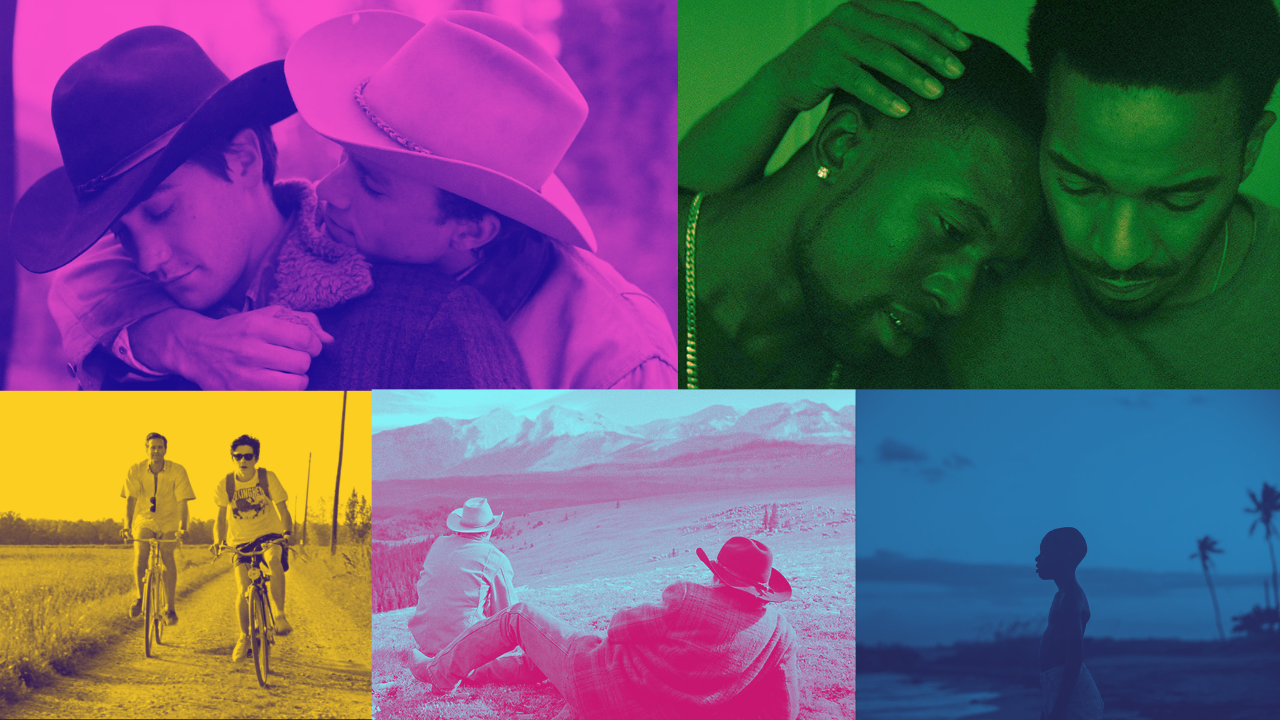
Two decades, three movies, and the language I needed before I had any words of my own.
August 1, 2026 | Miguel Mateo
FESTIVAL COVERAGE

Miguel ranks the seven best films of the 25th Tribeca Film Festival.

Link for all written reviews from the 2026 festival.
My Most Anticipated Films of the 25th Anniversary of Tribeca Film Festival
The Films That Hit, The Ones That Didn’t, and the Seven I Haven’t Stopped Thinking About
Short films remain one of the Sundance Film Festival’s greatest strengths. After watching 31 of the selections, these were the works that proved how much can be said in under 20 minutes.
NEW THIS WEEK
A high concept this flimsy needed movie stars, and Will Gluck's rom-com found the right two.
August 5, 2026 | Miguel Mateo
Matt Johnson trades the rise-and-fall biopic for a single unfinished summer, and lets his subject stay as unresolved as any teenager.
July 29, 2026 | Miguel Mateo
Destin Daniel Cretton's franchise reboot finds Tom Holland at his most compelling, Sadie Sink at her most formidable, and a love story that has taken the series four films to finally get right.
July 28, 2026 | Miguel Mateo
REVIEWS
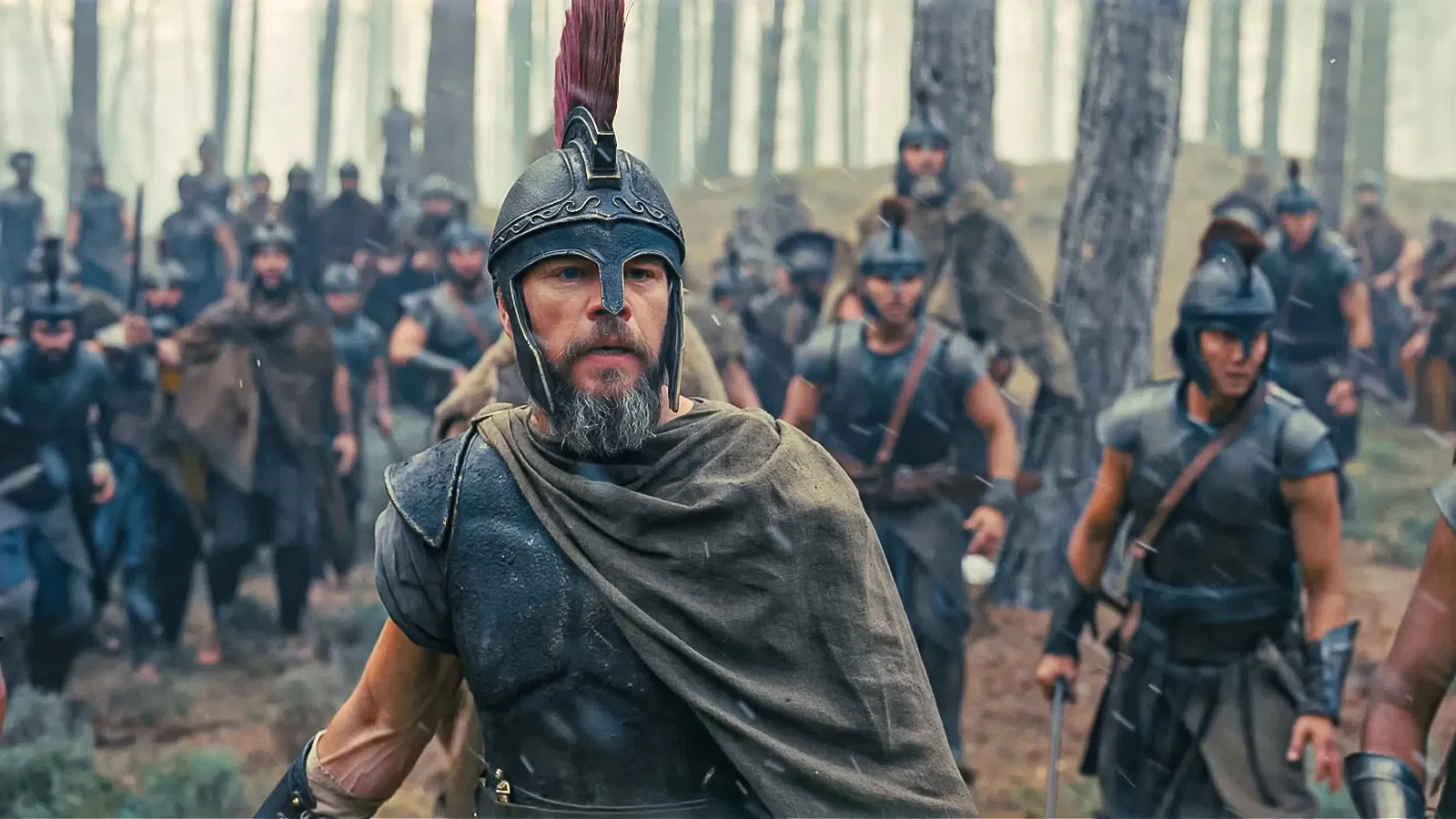
Christopher Nolan strips three thousand years of noise off the greatest story ever told, and what is underneath is a man trying to get home.
July 15, 2026 | Miguel Mateo
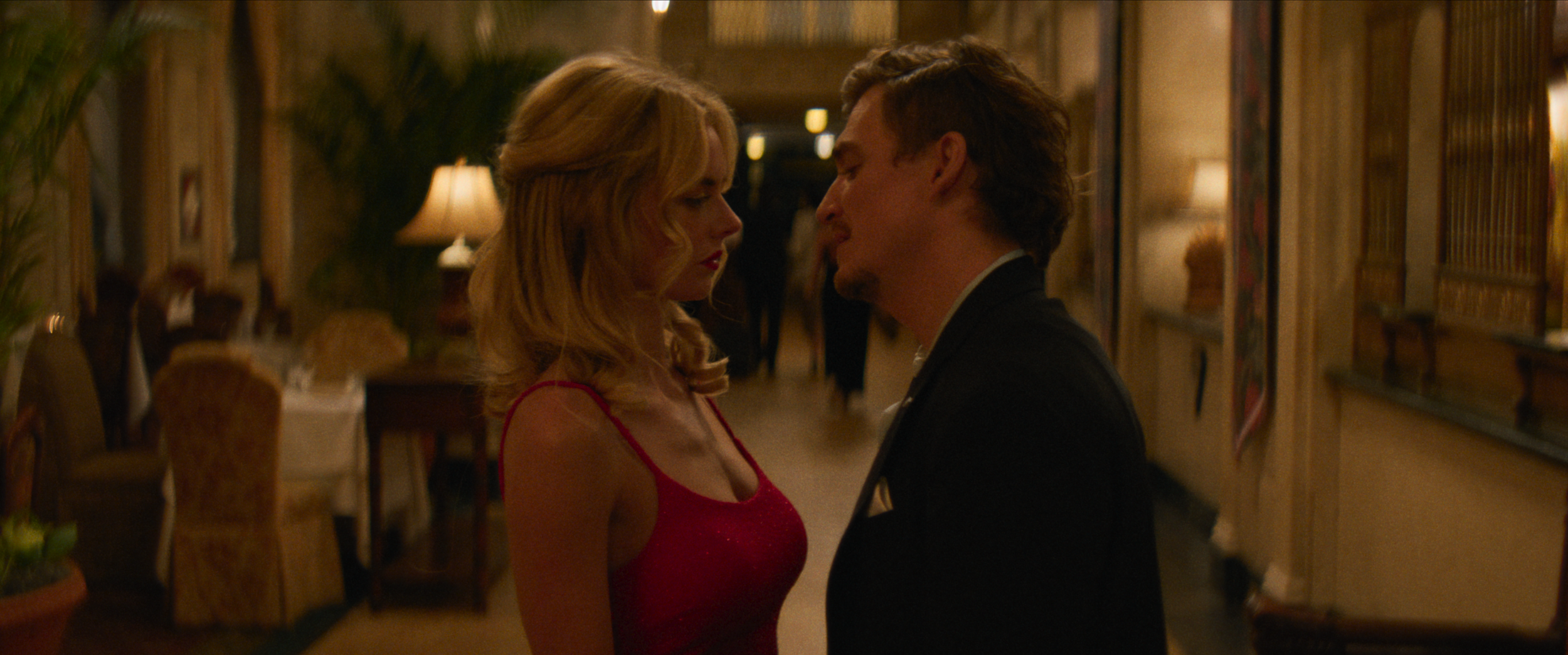
A wandering con man and the small-town girl who falls for him rob their way across the South, and it's hard not to root for them the whole way.
July 10, 2026 | Miguel Mateo
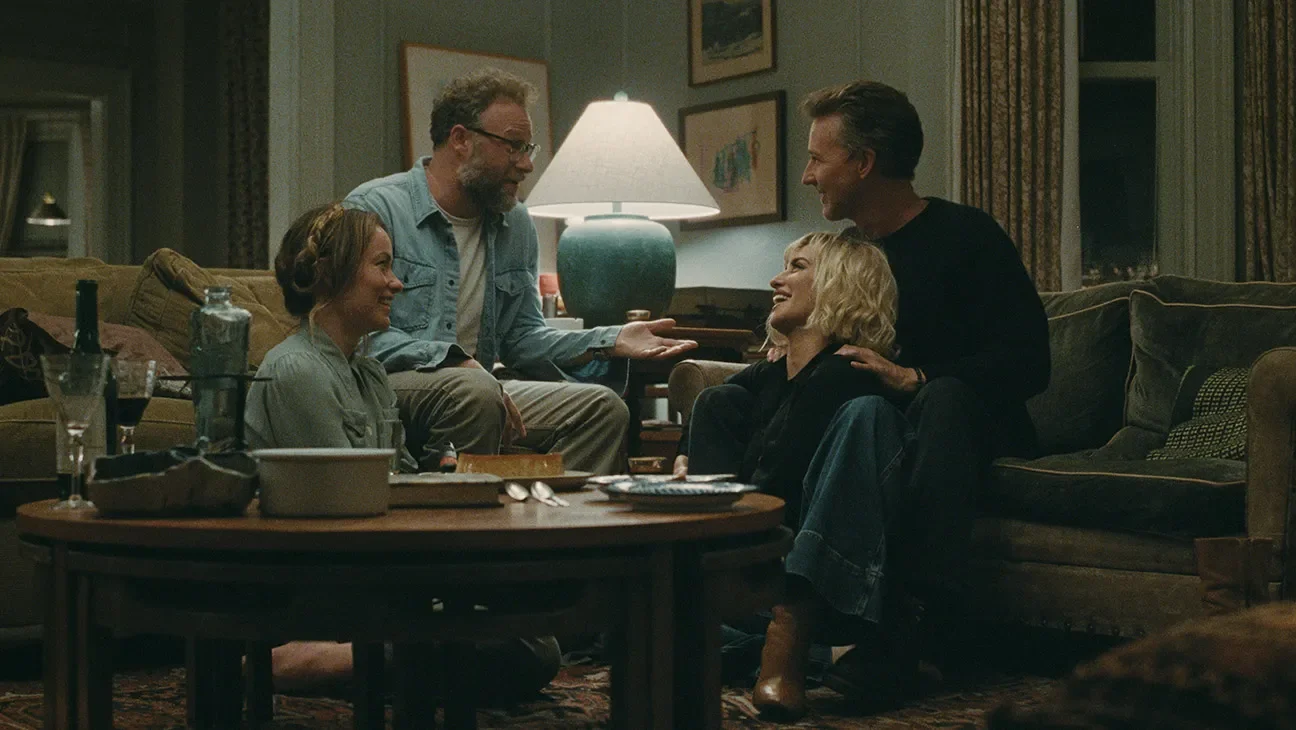
Olivia Wilde directs and performs at a new peak in a dinner party comedy so relentlessly funny that its late, unhurried turn toward heartbreak catches you completely off guard.
July 8, 2026 | Miguel Mateo
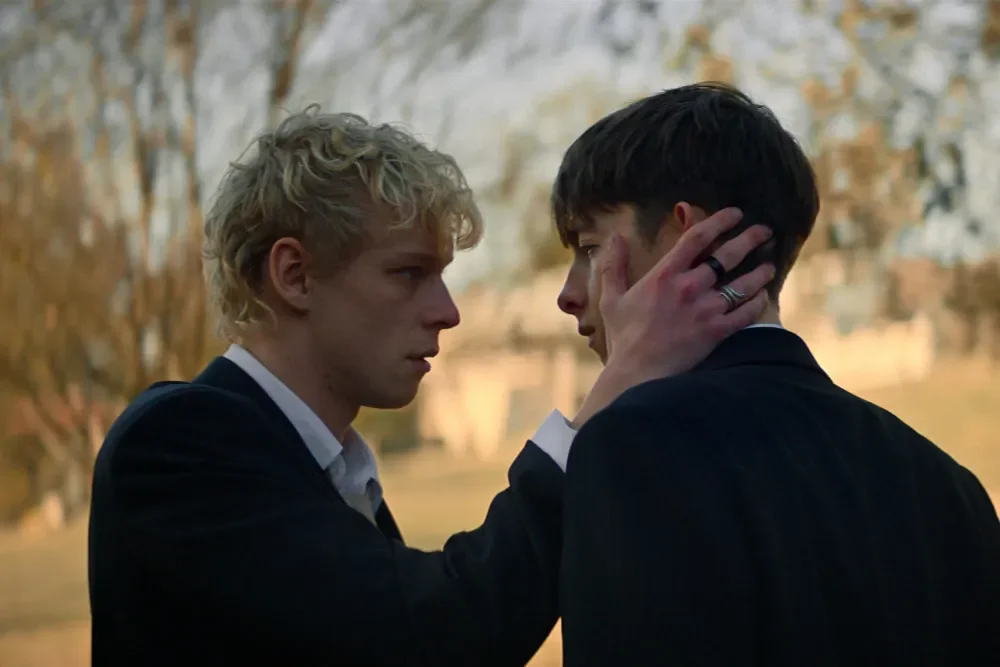
Adrian Chiarella's debut understands that the real monster has always been the book it's named after.
June 26, 2026 | Miguel Mateo
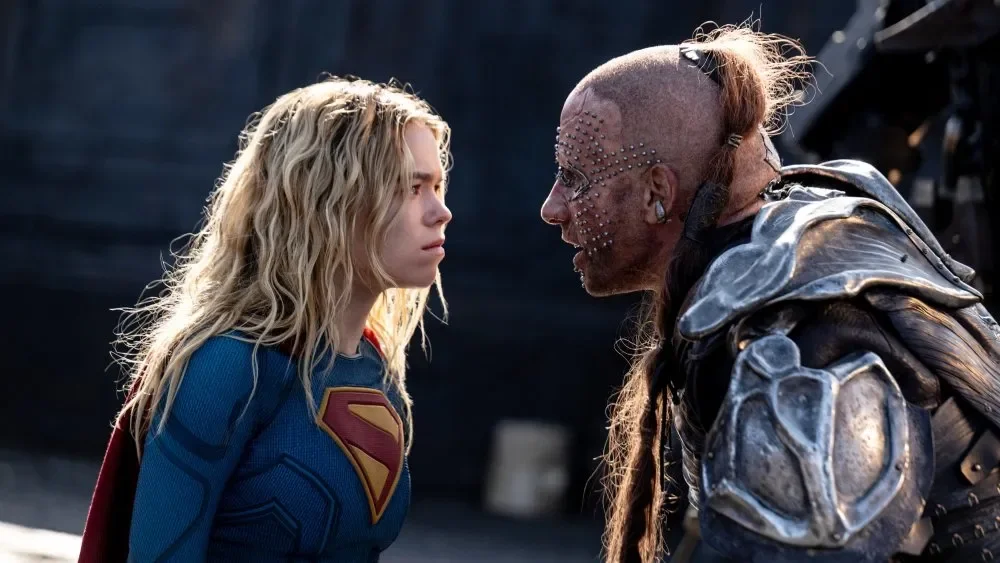
Milly Alcock shines in Supergirl, but a muddled script and emotionally inert direction ground DC's newest heroine before she ever takes flight.
June 24, 2026 | Miguel Mateo
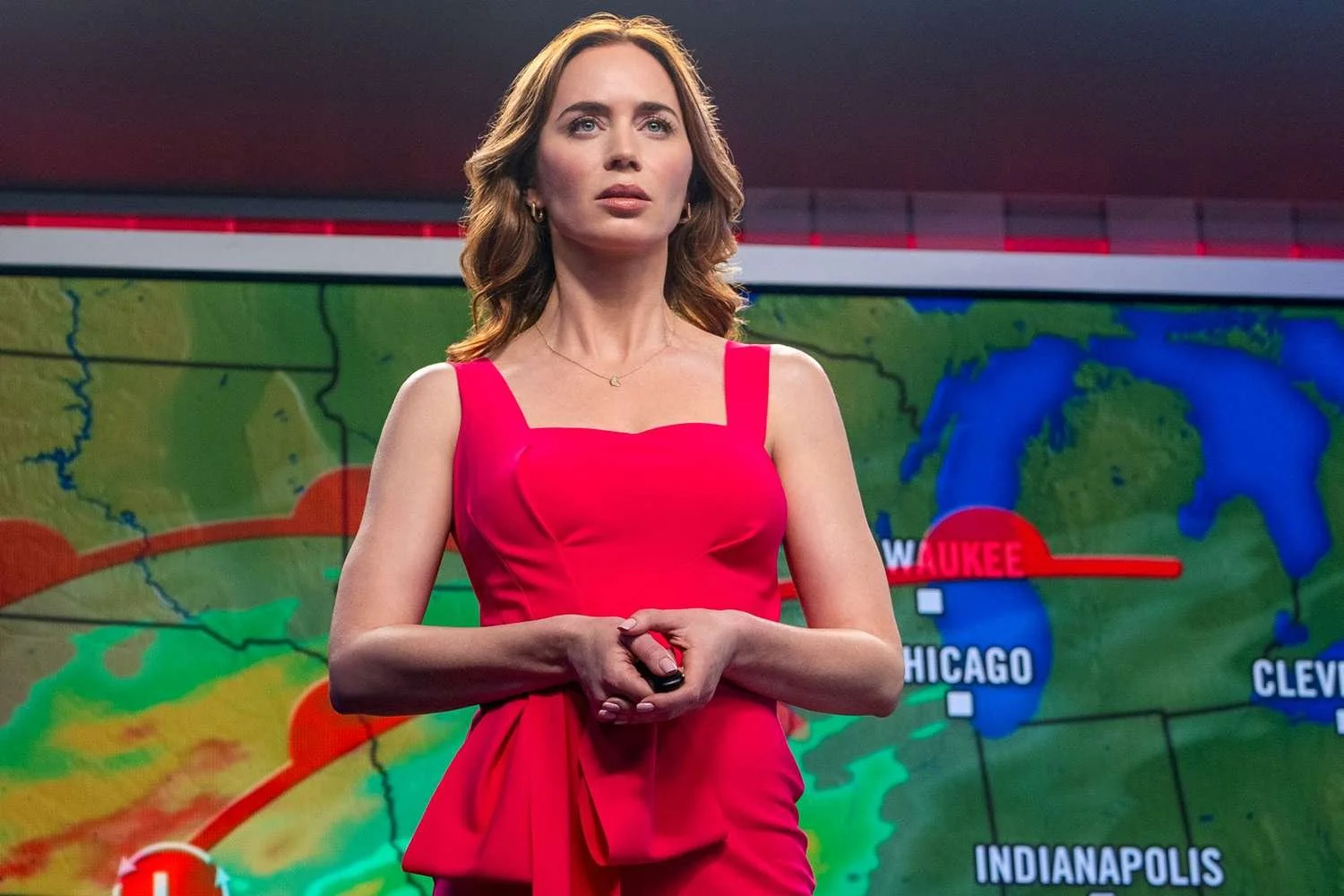
Steven Spielberg delivers the alien movie he has spent five decades building toward, thrilling and tender for most of its running time, until the final stretch turns his lifelong wonder into a lecture..
June 12, 2026 | Miguel Mateo
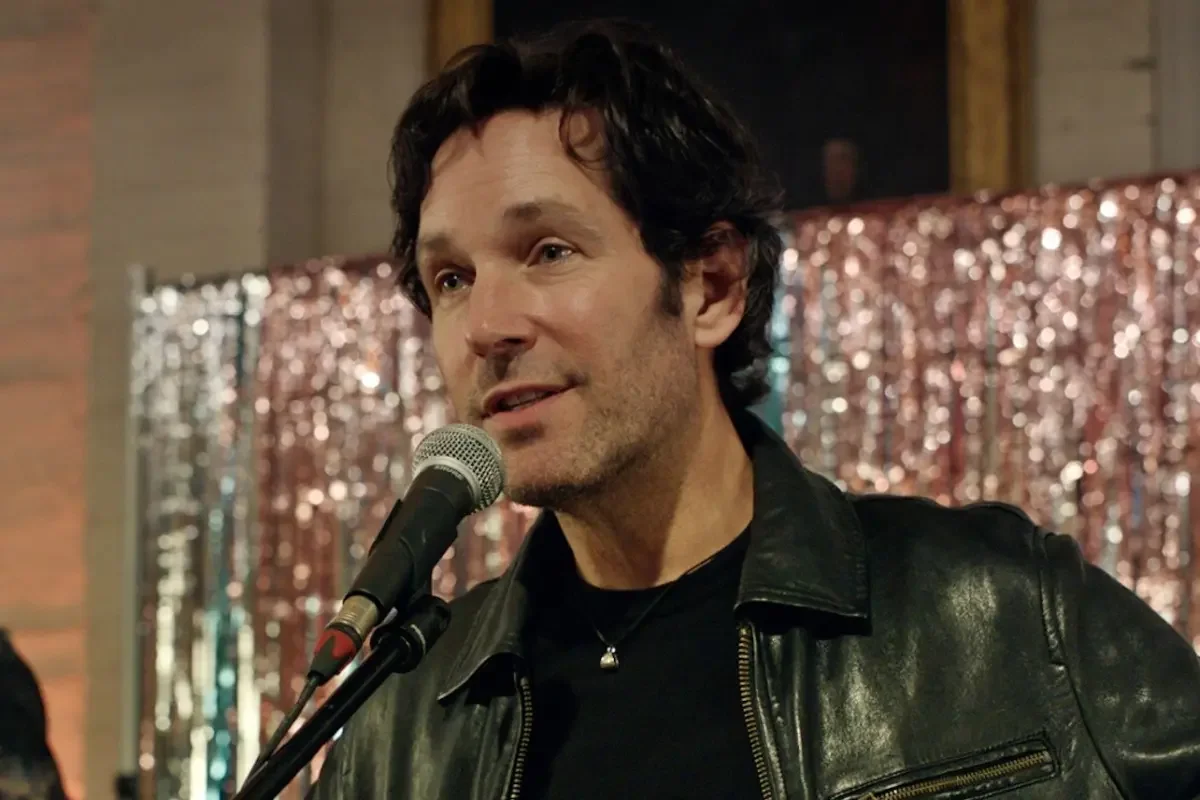
John Carney's winning musical dramedy gives Rudd the role of his career, and the result is the rare summer film that earns both its laughs and its tears.
June 5, 2026 | Miguel Mateo
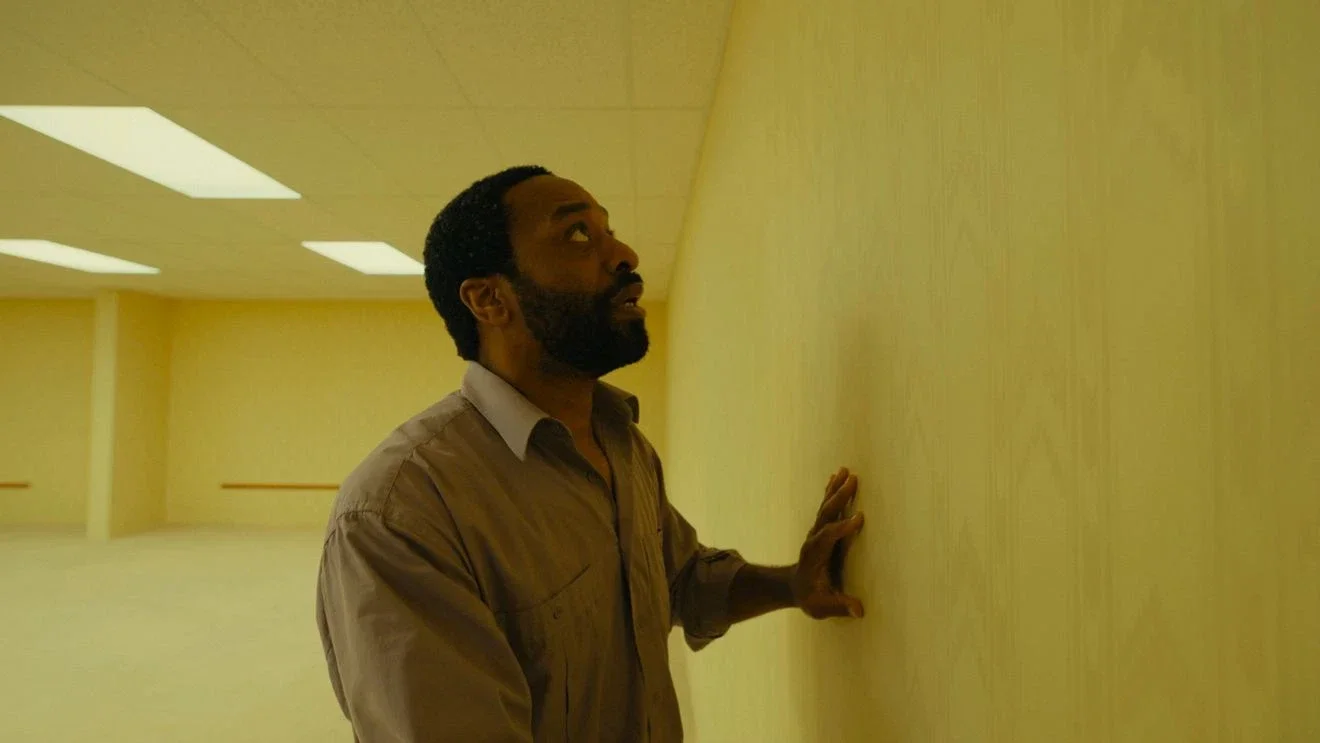
Kane Parsons announces himself as a major filmmaking talent with a first two-thirds of pure, sustained dread, only to watch his screenplay lose its nerve just when the psychology it built so carefully was about to pay off.
May 30, 2026 | Miguel Mateo
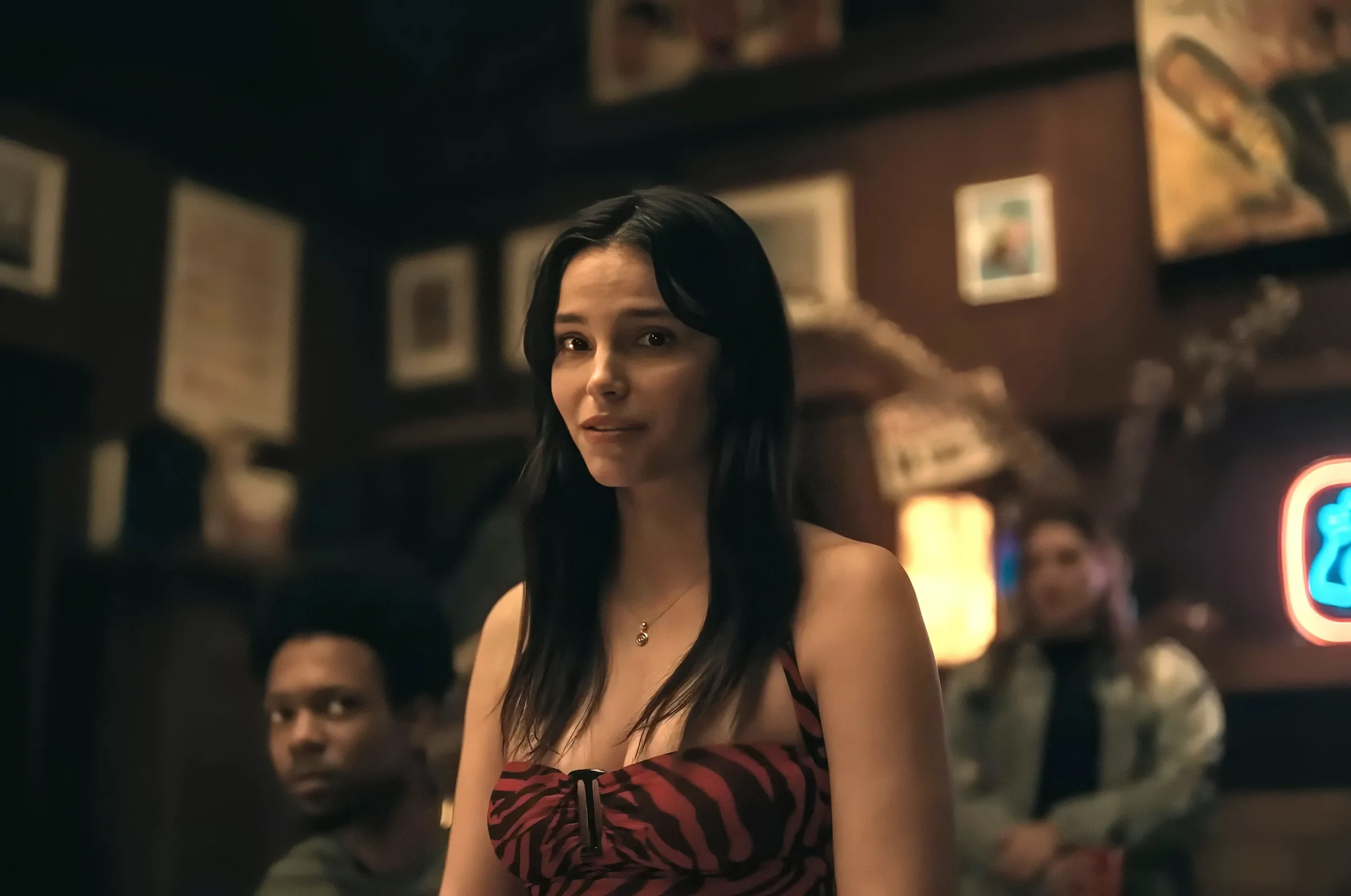
Curry Barker's debut turns a silly magic trick into one of the most unsettling portraits of male obsession in recent memory, anchored by a career-making performance from Inde Navarrette.
May 15, 2026 | Miguel Mateo
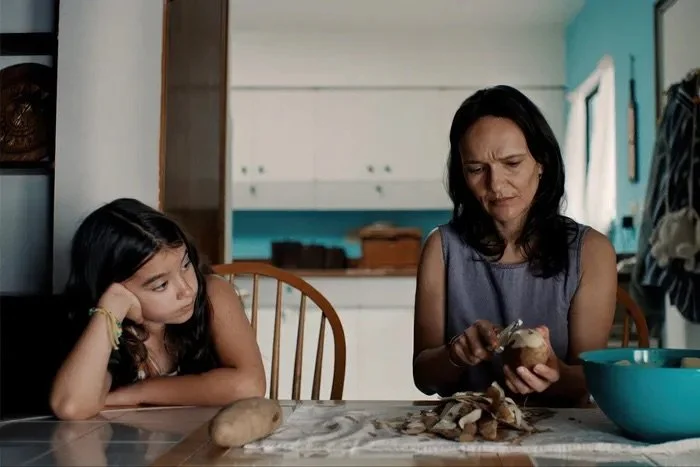
Sophy Romvari’s debut feature approaches family trauma with remarkable intimacy and compassion, capturing the emotional weight of loving someone while fearing what their struggles may mean for everyone around them.
May 15, 2026 | Miguel Mateo
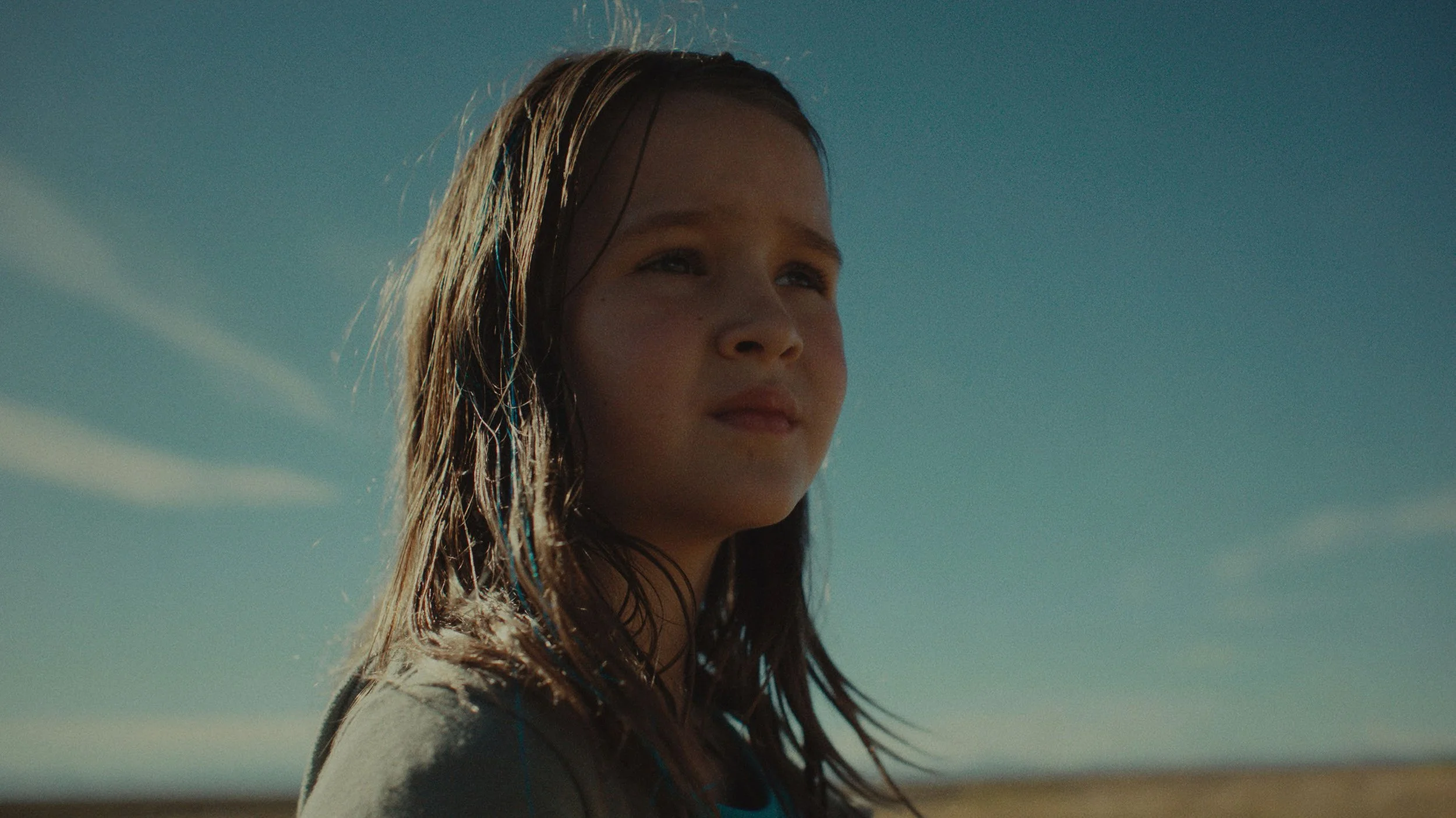
An intimate, beautifully restrained indie that finds devastating power in what it doesn’t say, and one that features a devastating performance by John Magaro.
May 1, 2026 | Miguel Mateo
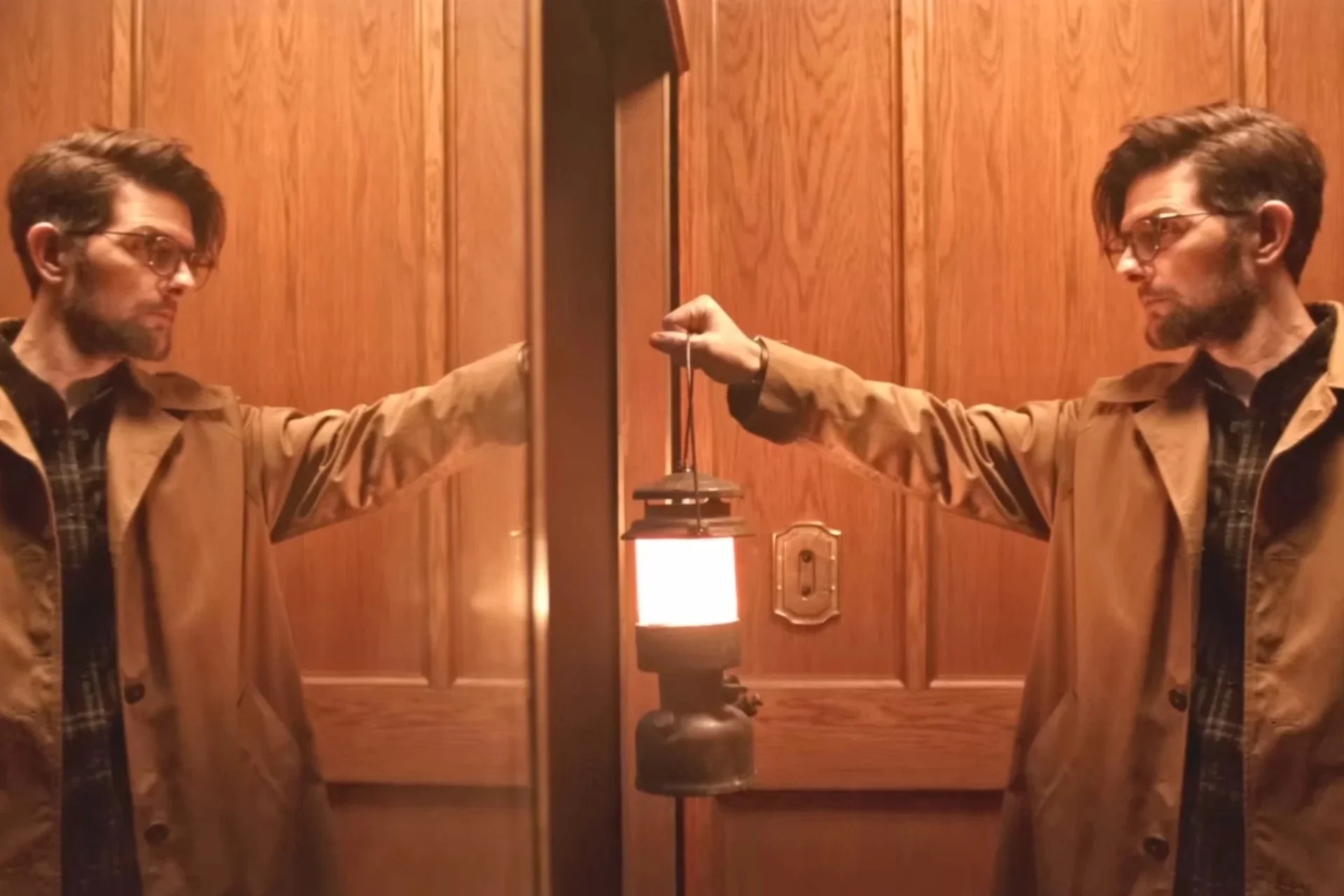
Despite its strong foundation and carefully constructed atmosphere, the film never quite creates the lingering unease that defines the genre’s most memorable hauntings.
April 30, 2026 | Miguel Mateo
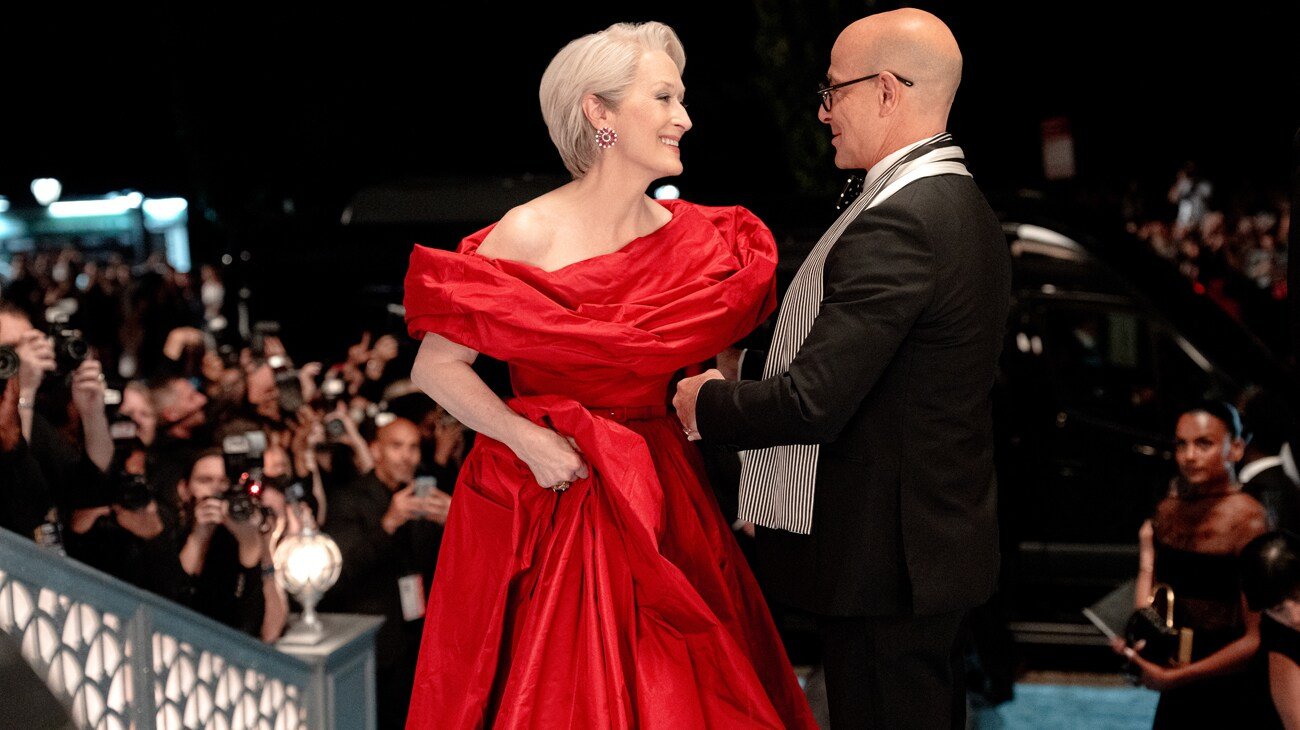
It’s entertaining, charming, and often genuinely funny, but the more time you spend thinking about it, the more you realize just how much it depends on your relationship with the original.
April 30, 2026 | Miguel Mateo
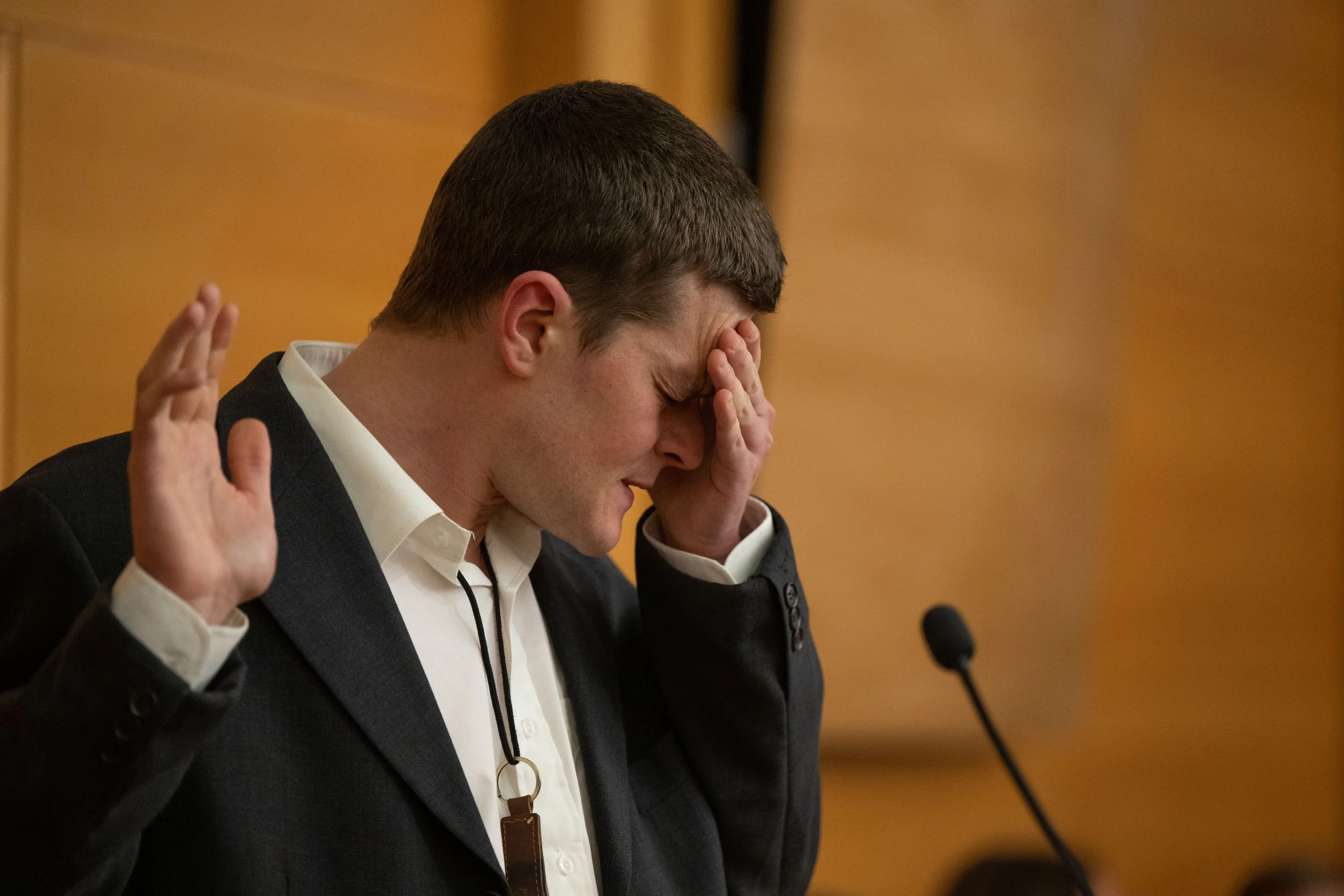
Robert Aramayo delivers a performance in I Swear that has remarkable control and honesty, understanding how humor and heartbreak can exist side by side.
April 23, 2026 | Miguel Mateo
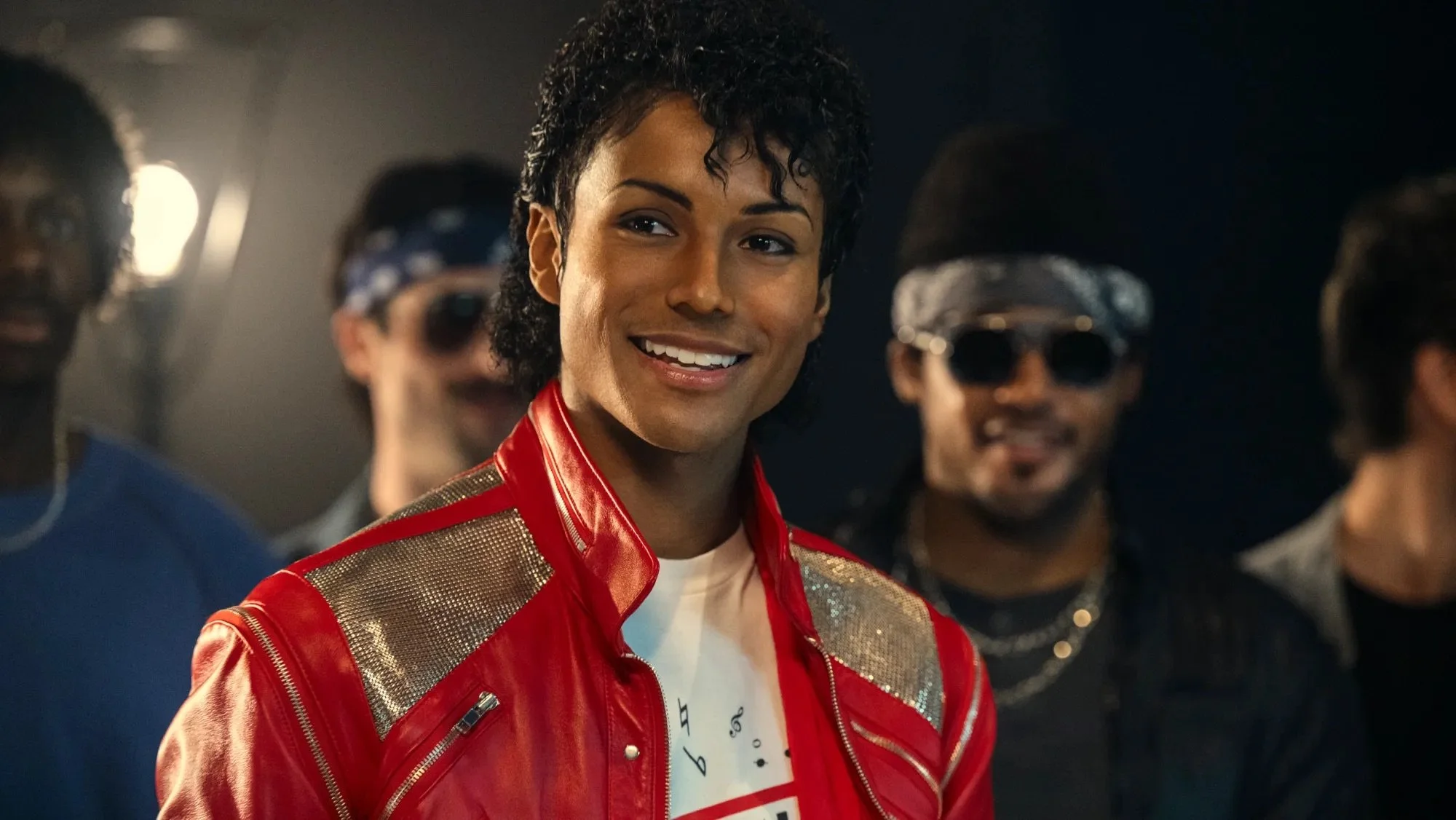
It’s an entertaining trip through iconic moments, yet one that feels more like a greatest-hits montage than a revealing portrait.
April 23, 2026 | Miguel Mateo
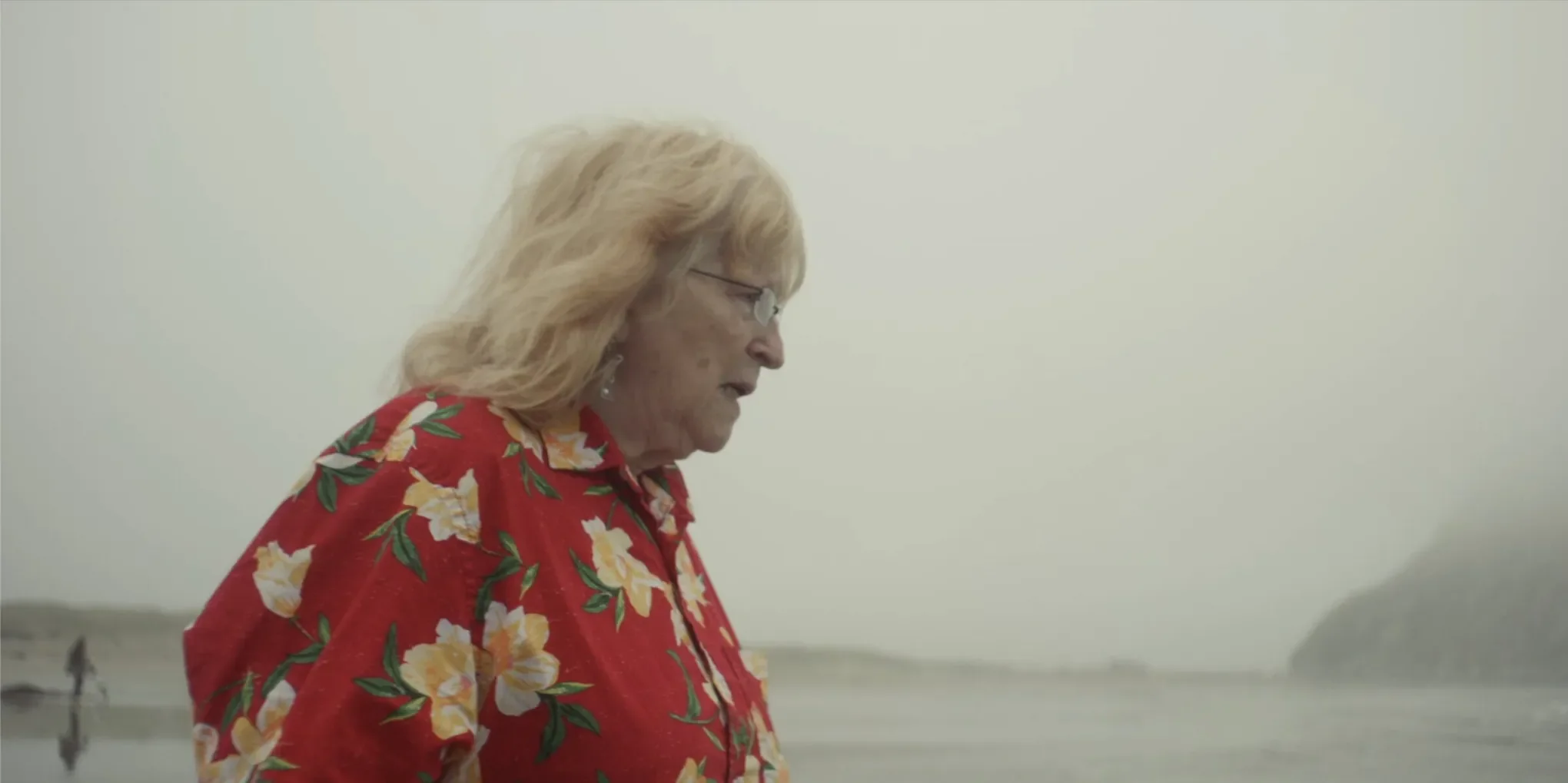
Looks beyond the headlines to explore the loneliness, restlessness, and quiet desperation that shaped one of the most unforgettable moments in recent aviation history.
April 13, 2026 | Miguel Mateo
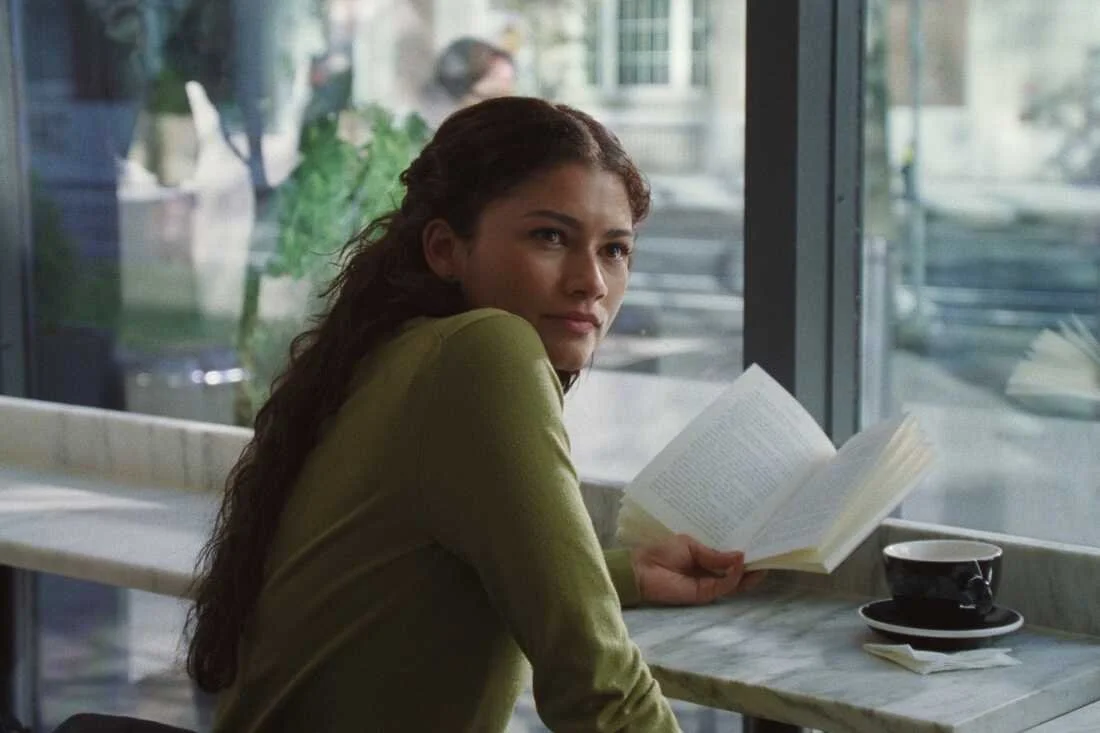
Relationships often reveal who we are when certainty disappears. The Drama explores that space where love and doubt collide, exposing the fears we rarely say out loud.
April 2, 2026 | Miguel Mateo
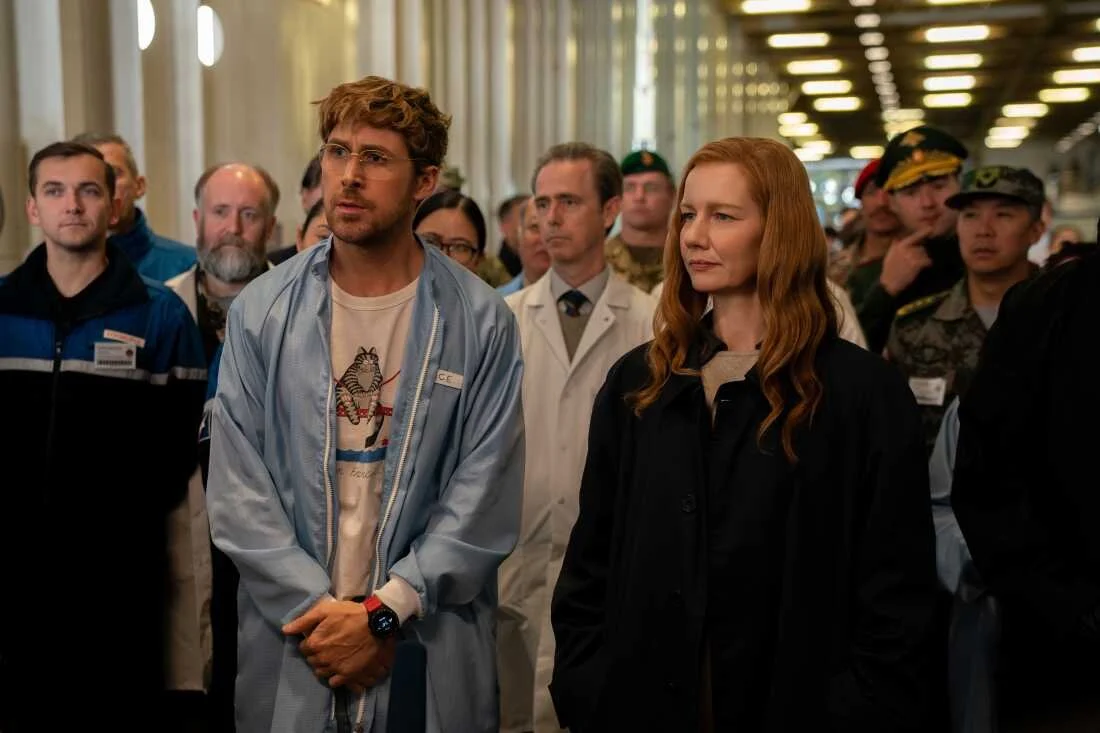
Beneath the science and spectacle lies a deeply emotional story about loyalty, sacrifice, and friendship. It is the kind of film that leaves behind memories long after the final scene fades.
March 20, 2026 | Miguel Mateo
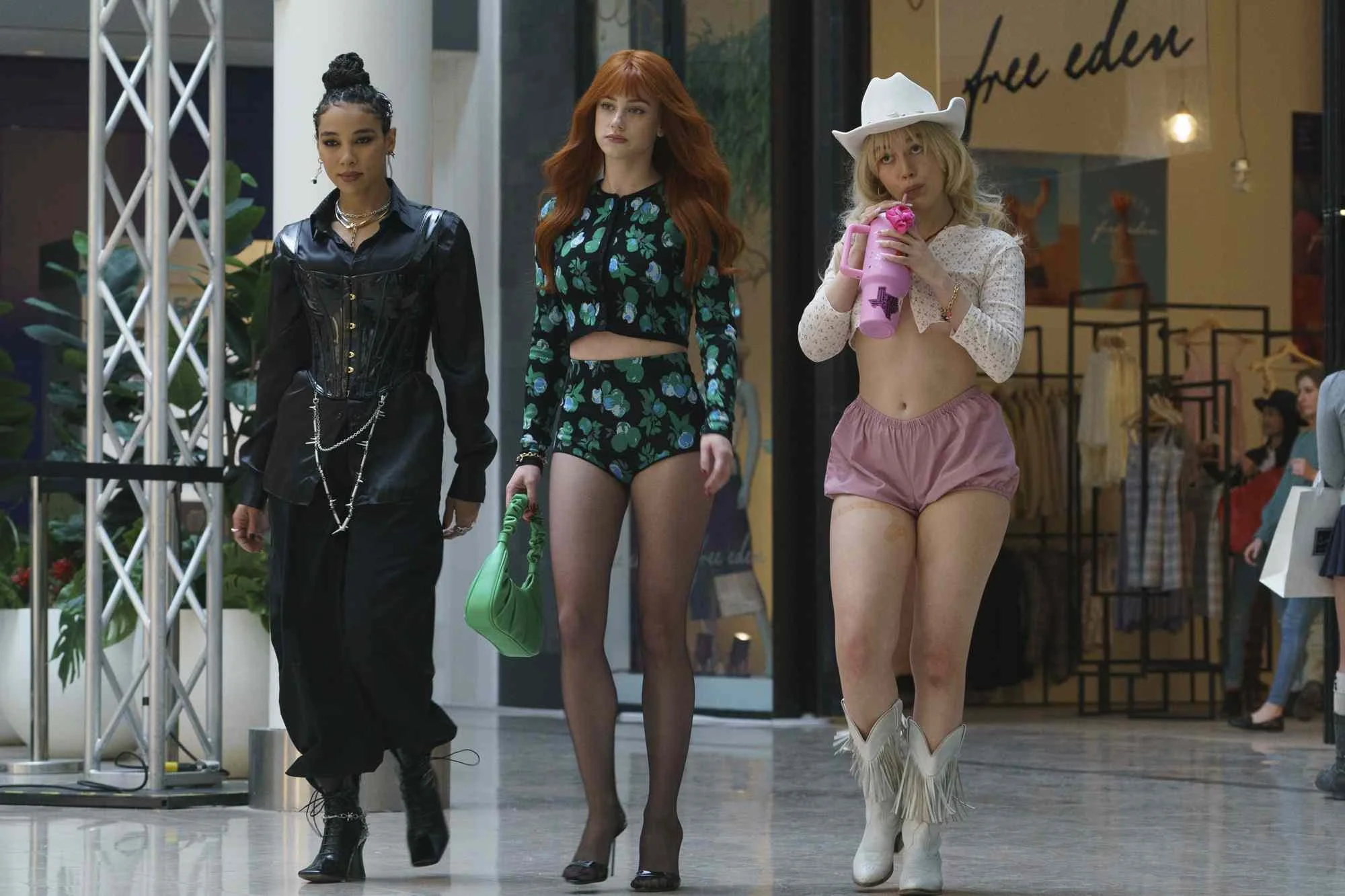
Horror has always belonged to women, even when the industry failed to give them full recognition. March 2026 delivered four strikingly different films led by performances that anchored fear, survival, and chaos. From campy cult chaos to psychological dread, these films reminded us why women continue to shape the future of horror.
March 18, 2026 | Miguel Mateo
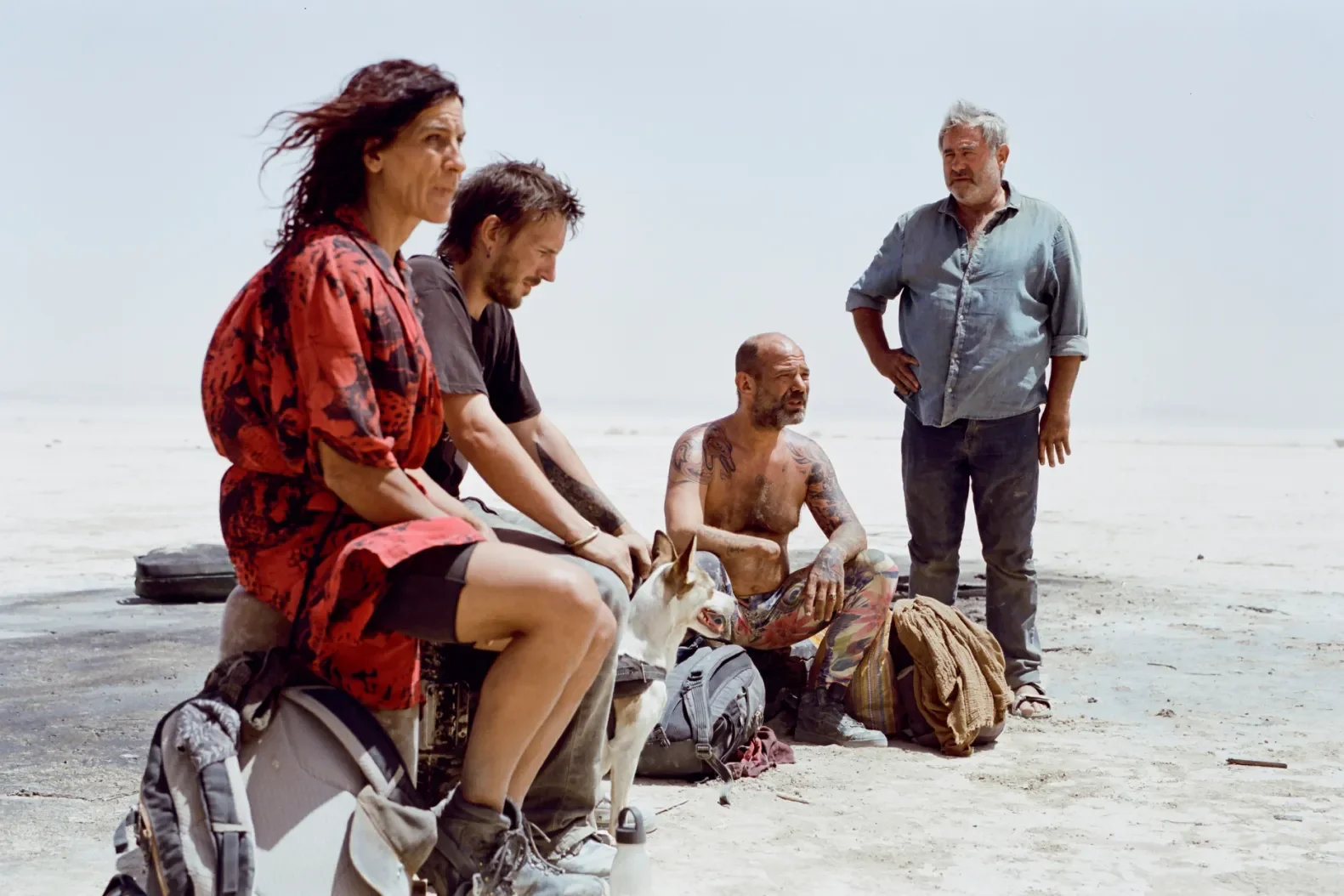
A high-strung adventure through the desert pushes a father and son to their limits. Sirat explores how the road to hell can push us into a journey of self-actualization and create a bridge between ourselves and others.
February 26, 2026 | Miguel Mateo
SUNDANCE FILM FESTIVAL 2026: SHORT FILMS REVIEWS
Short films remain one of the Sundance Film Festival’s greatest strengths. After watching 31 of the selections, these were the works that proved how much can be said in under 20 minutes.
February 03, 2026 | Miguel Mateo
A child's testimony becomes an accusation the whole courtroom deserves.
January 29, 2026 | Miguel Mateo
Josh Safdie's latest never lets up, and that relentlessness is both its greatest achievement and the reason its emotional climax lands with a thud.
January 03, 2026 | Miguel Mateo
REVIEWS - 2025

Noah Baumbach's meandering meditation on stardom finds its footing only in the final stretch, but George Clooney makes every mile worth it.
December 13, 2025 | Miguel Mateo
In Kleber Mendonça Filho's Cannes-winning thriller, Wagner Moura delivers the most deserving international performance of the year, and Brazil delivers a second consecutive masterpiece.
December 11, 2025 | Miguel Mateo
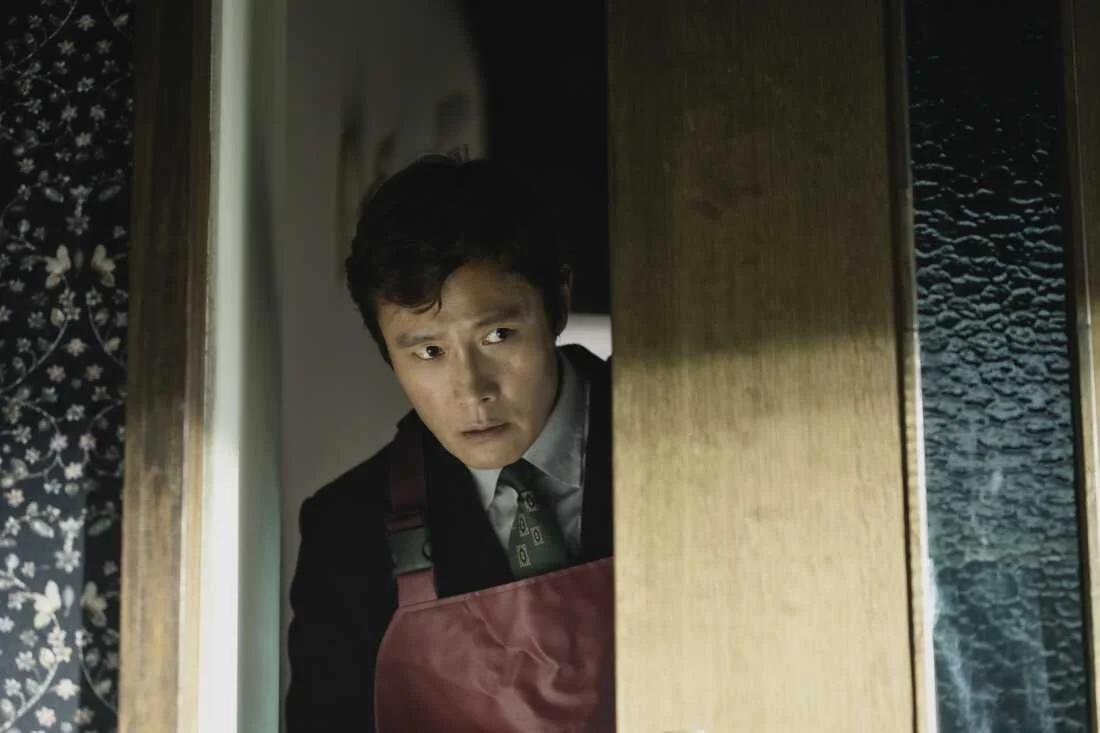
In a year defined by layoffs dressed up as progress, Park Chan-wook turns one man's unemployment into a murder plot and a marriage into the scene of the crime.
December 3, 2025 | Miguel Mateo
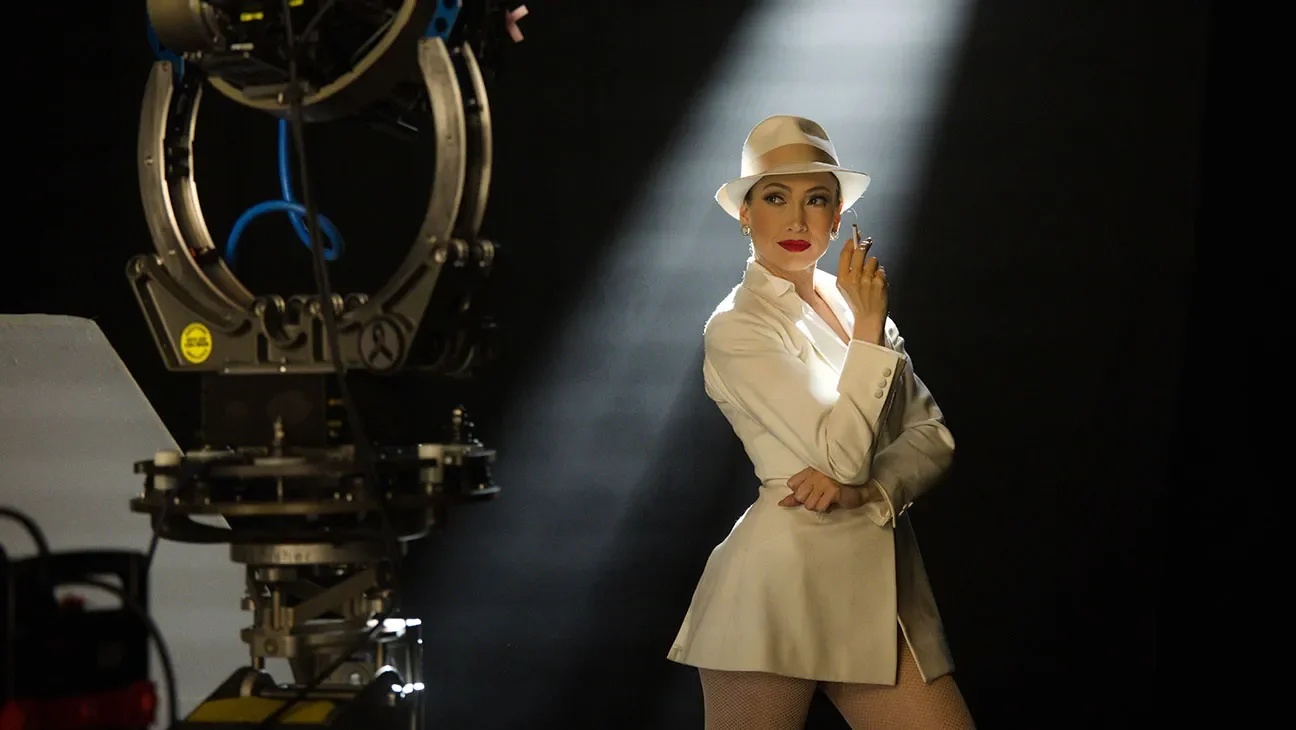
Two prisoners share a cell and a fantasy, but only one half of Bill Condon's musical ever fully commits to its own escape.
November 27, 2025 | Miguel Mateo
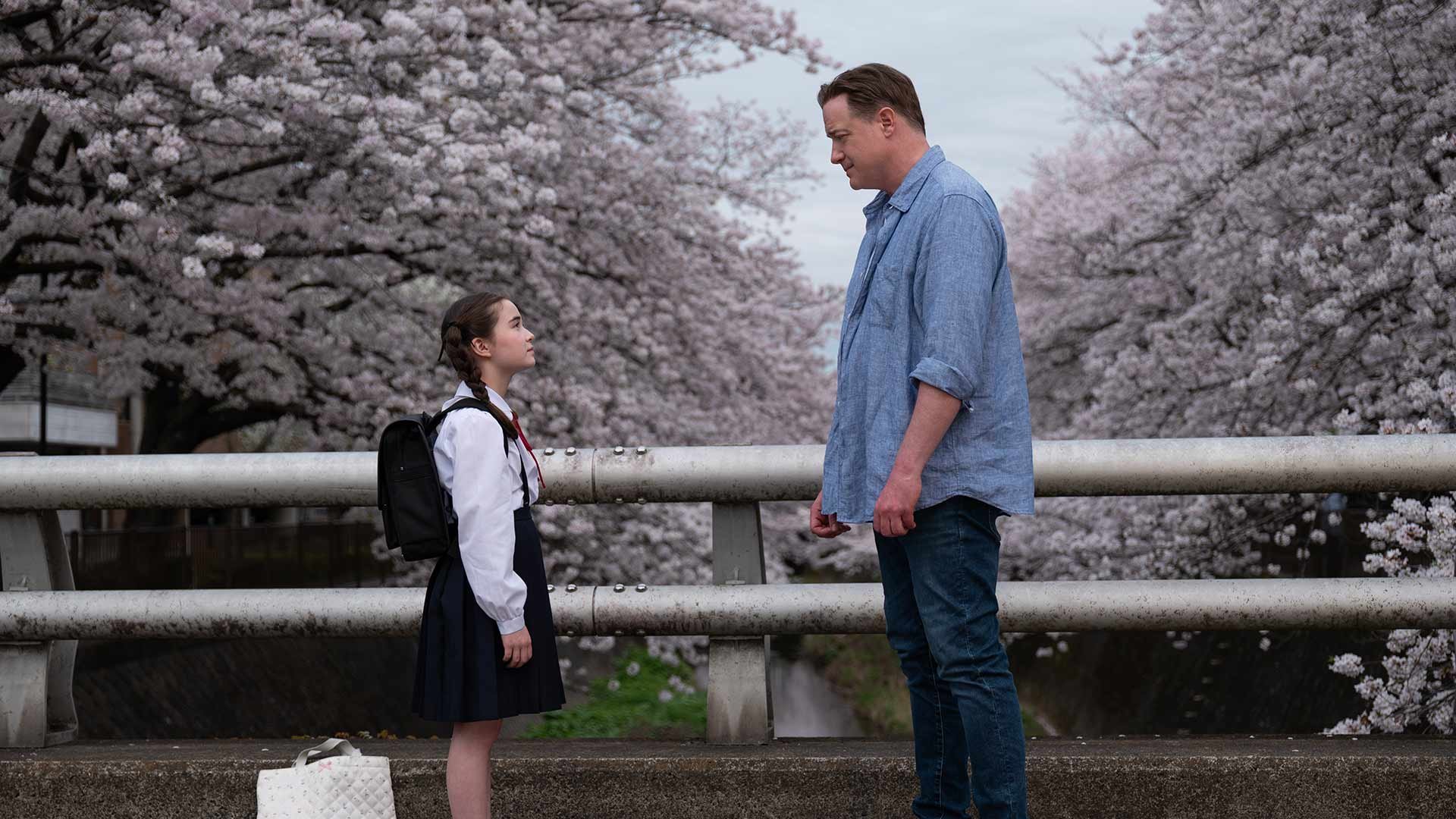
A Hollywood-glossed dramedy about a man for hire ends up renting real feeling too.
November 21, 2025 | Miguel Mateo
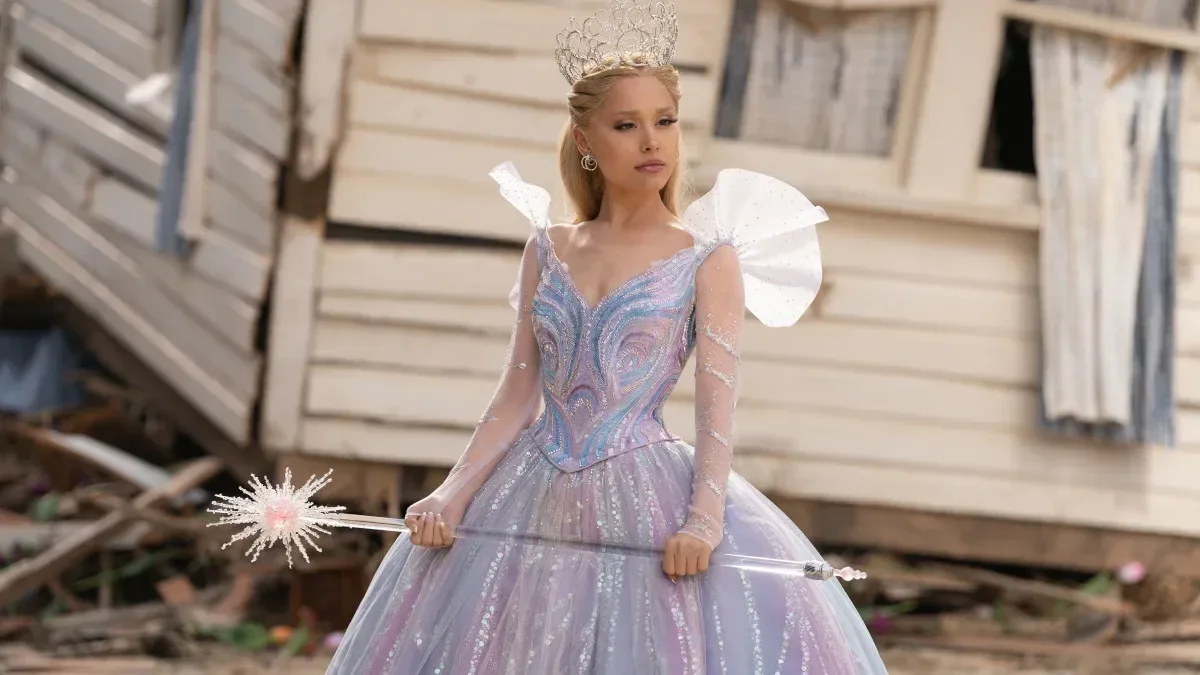
Ariana Grande carries this uneven, unevenly shot conclusion to Oz's biggest musical about as far as it can go.
November 17, 2025 | Miguel Mateo
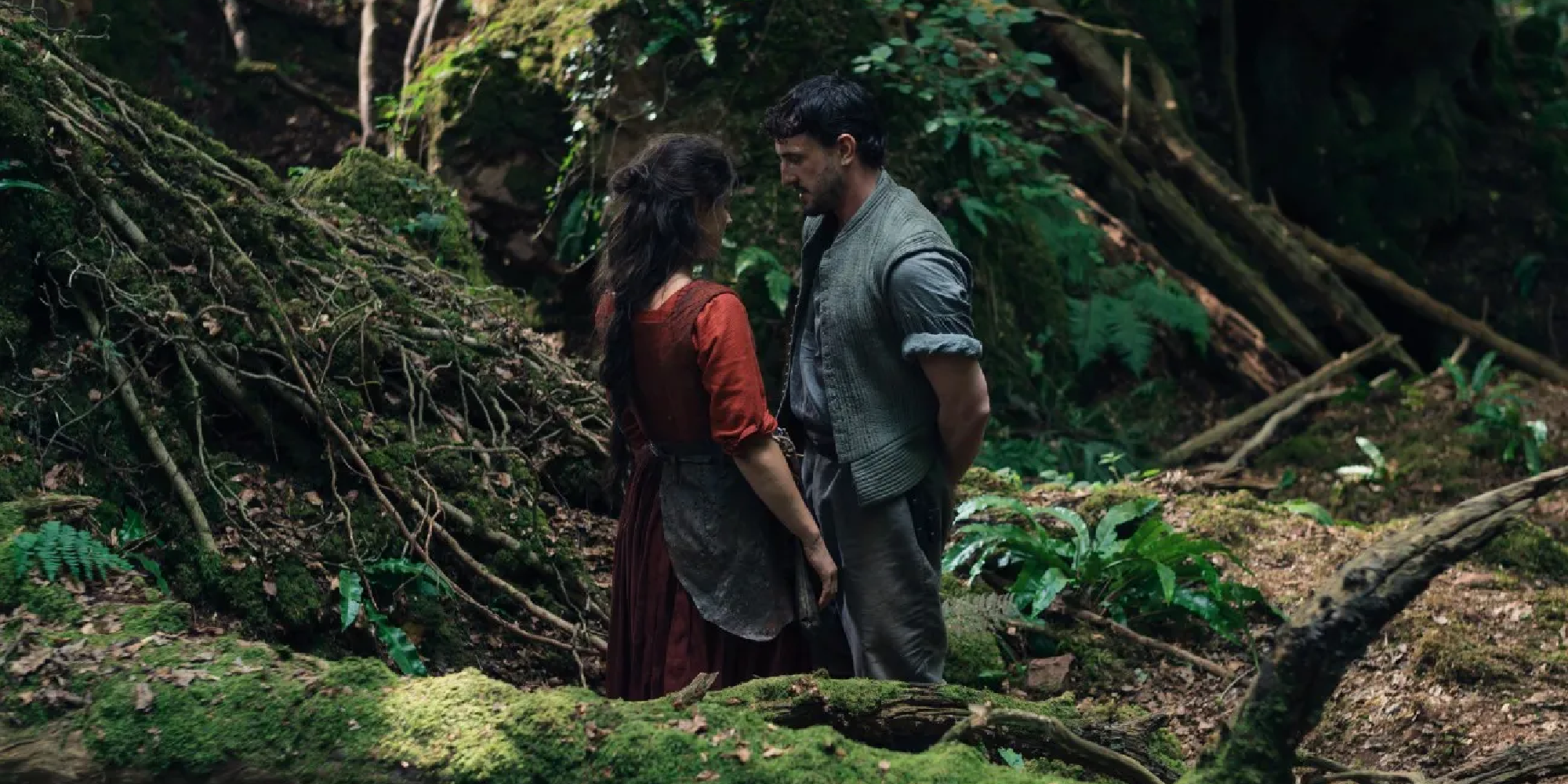
Chloé Zhao's adaptation of Maggie O'Farrell's novel finds the tragedy behind Shakespeare's most famous absence, and builds it entirely around the woman left holding it.
November 16, 2025 | Miguel Mateo
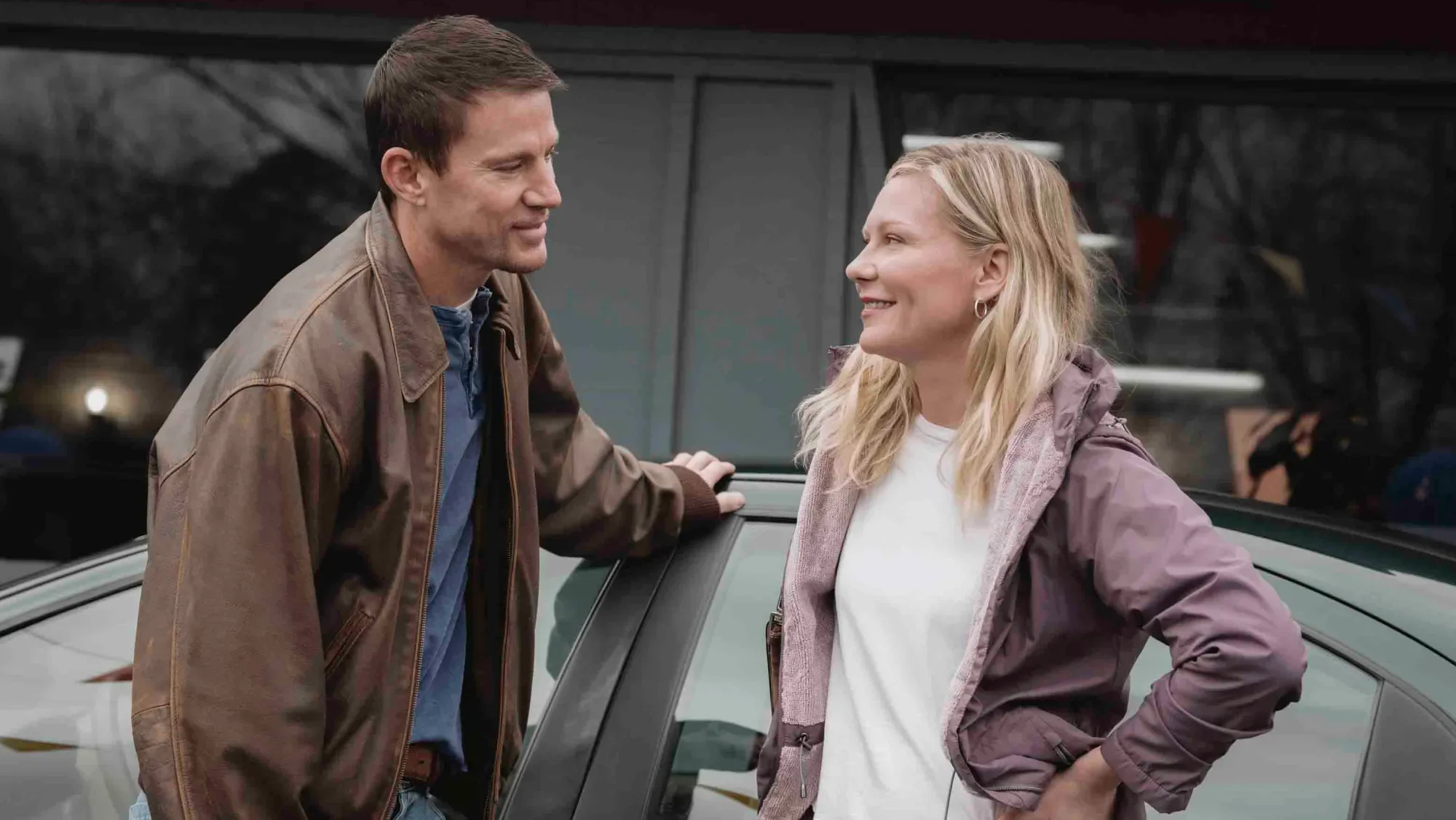
Channing Tatum plays against type as a fugitive hiding inside a toy store, but it's Kirsten Dunst who gives Derek Cianfrance's true-crime dramedy its aching center.
November 11, 2025 | Miguel Mateo
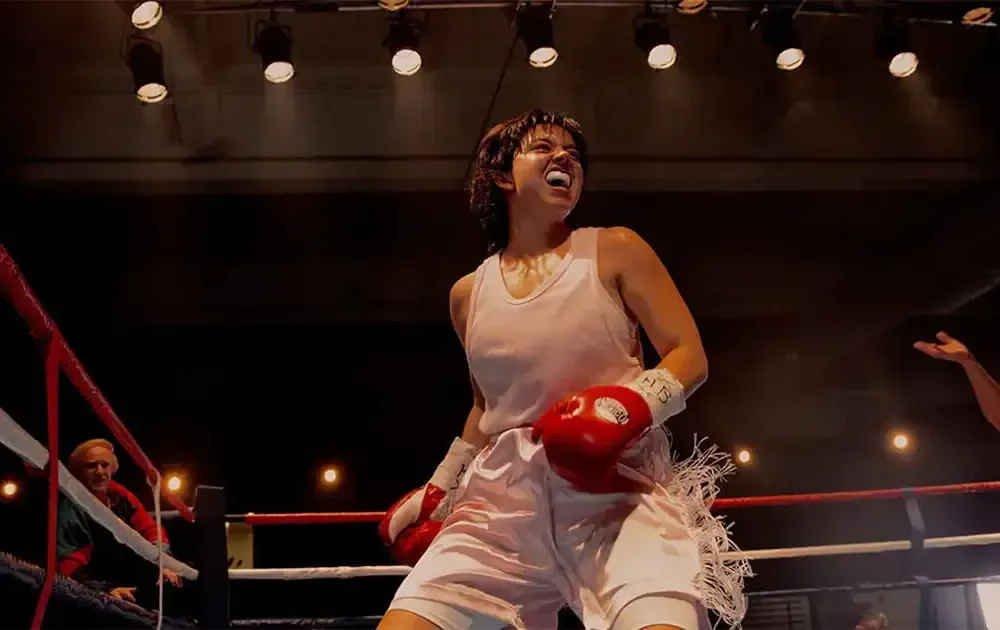
Sydney Sweeney delivers her most committed performance yet in a boxing biopic that spends two acts finding its footing before landing one of the most unflinching depictions of domestic violence ever put to film.
November 8, 2025 | Miguel Mateo
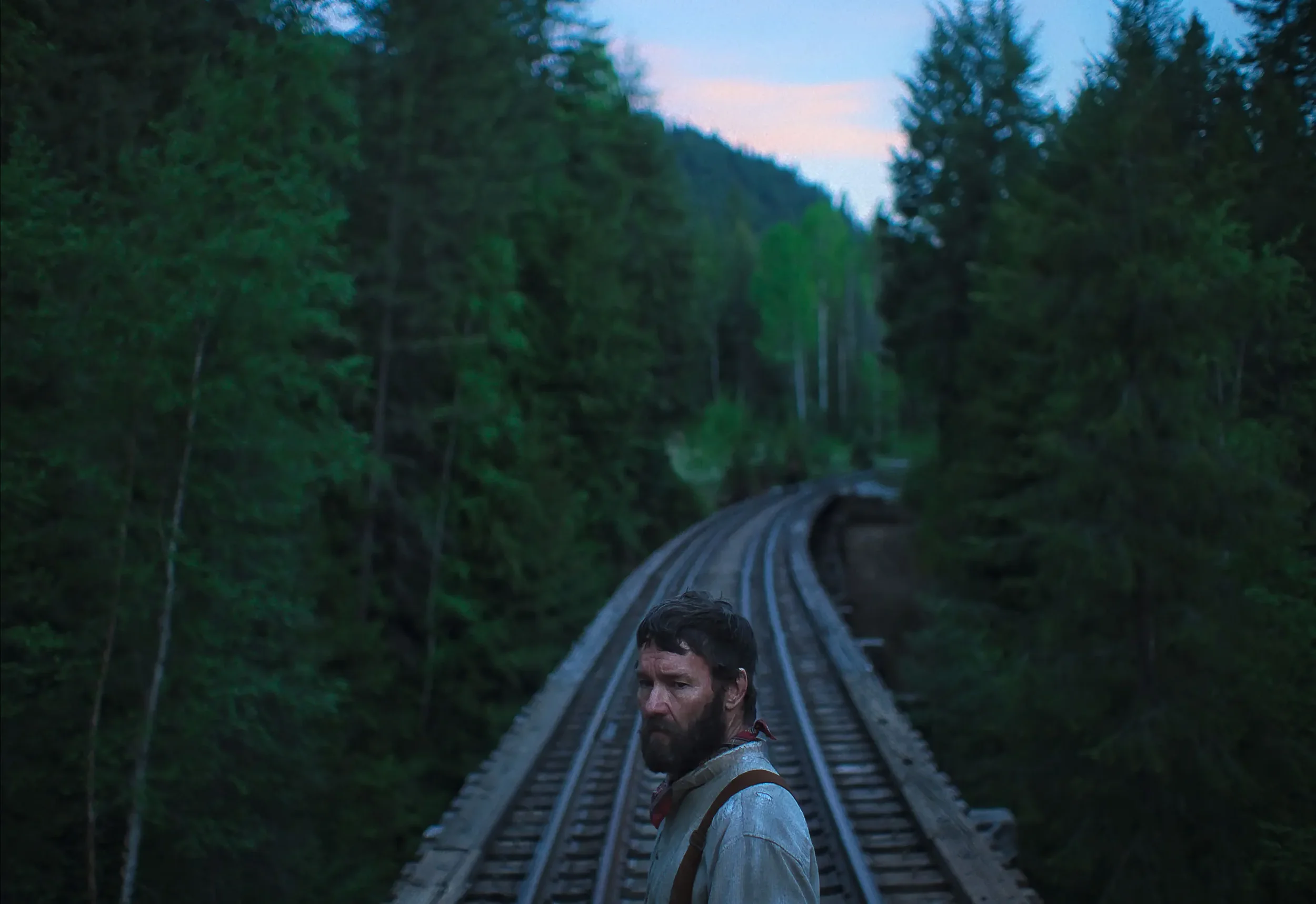
Clint Bentley's Denis Johnson adaptation finds the sublime in an unremarkable life, anchored by one of Joel Edgerton's finest performances.
November 7, 2025 | Miguel Mateo
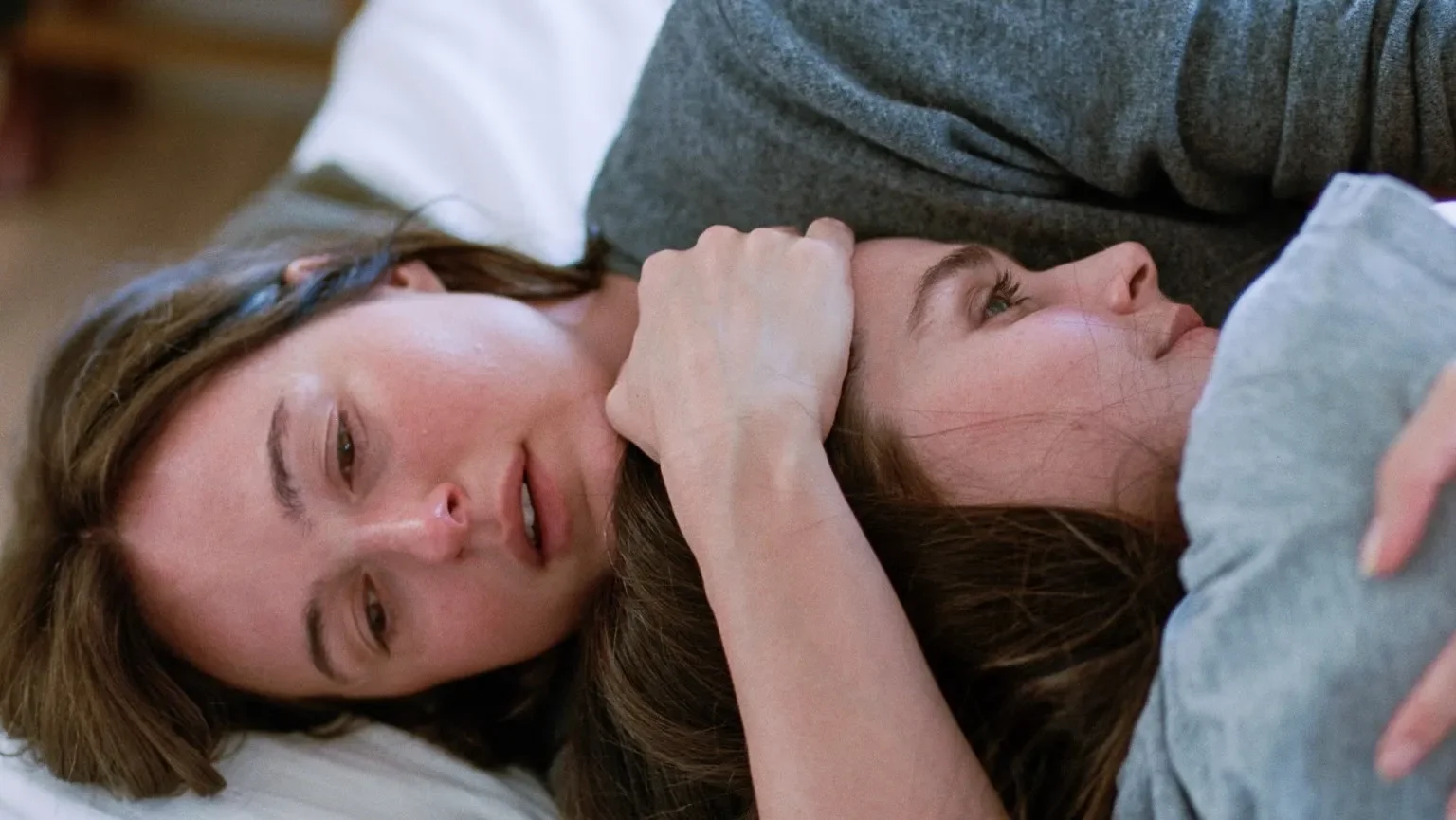
A father tries to write his way back into his daughters' lives, and the film he makes instead becomes the only language the family has left.
November 5, 2025 | Miguel Mateo
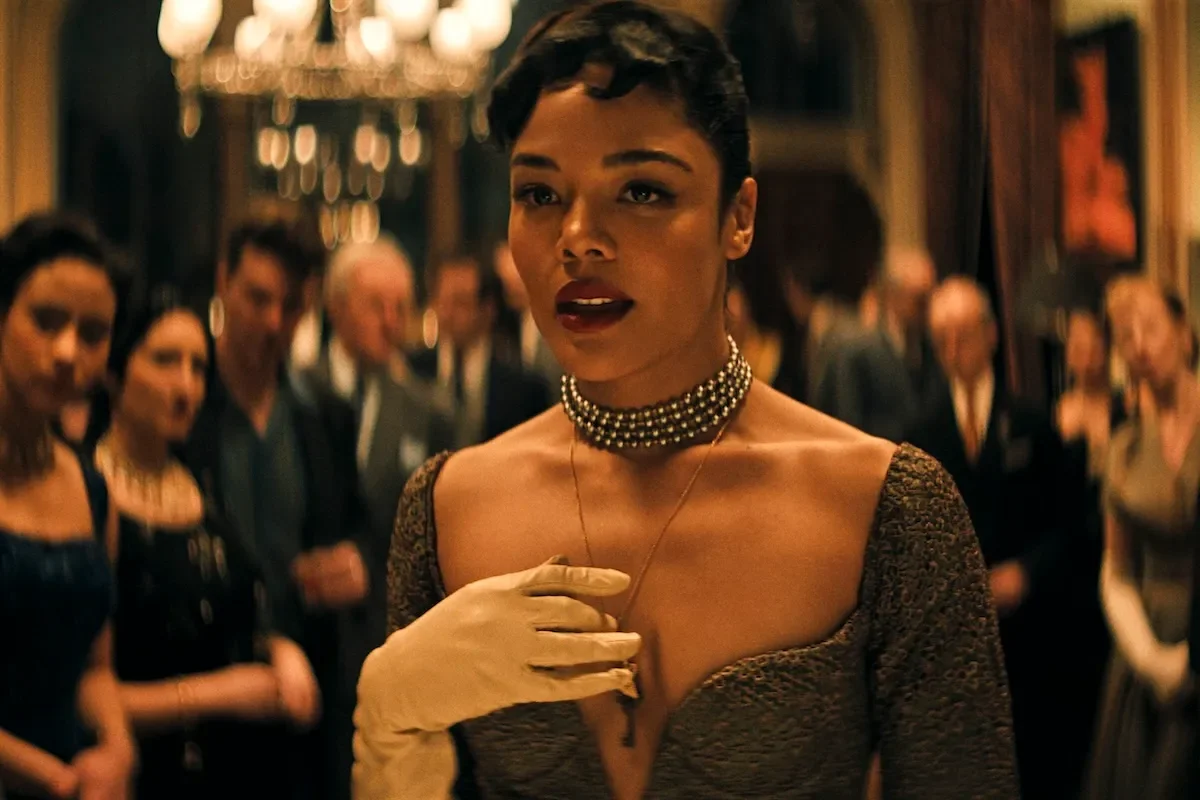
Nia DaCosta's queer reimagining of Ibsen finds its fire in the space between Tessa Thompson's cruelty and Nina Hoss's ache.
October 31, 2025 | Miguel Mateo
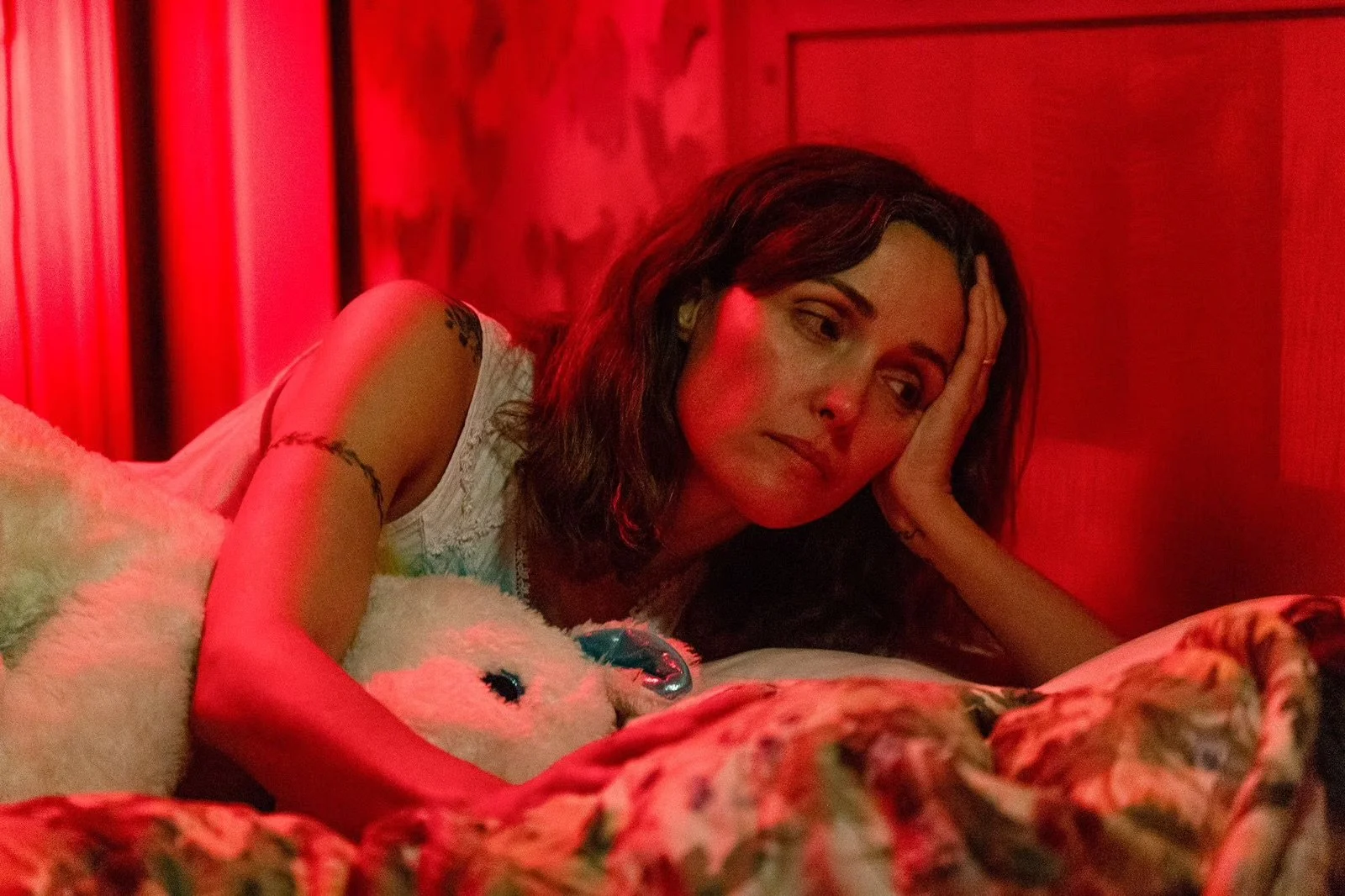
Rose Byrne gives the performance of her career as a mother unraveling in real time, and Mary Bronstein never lets us look away.
October 29, 2025 | Miguel Mateo
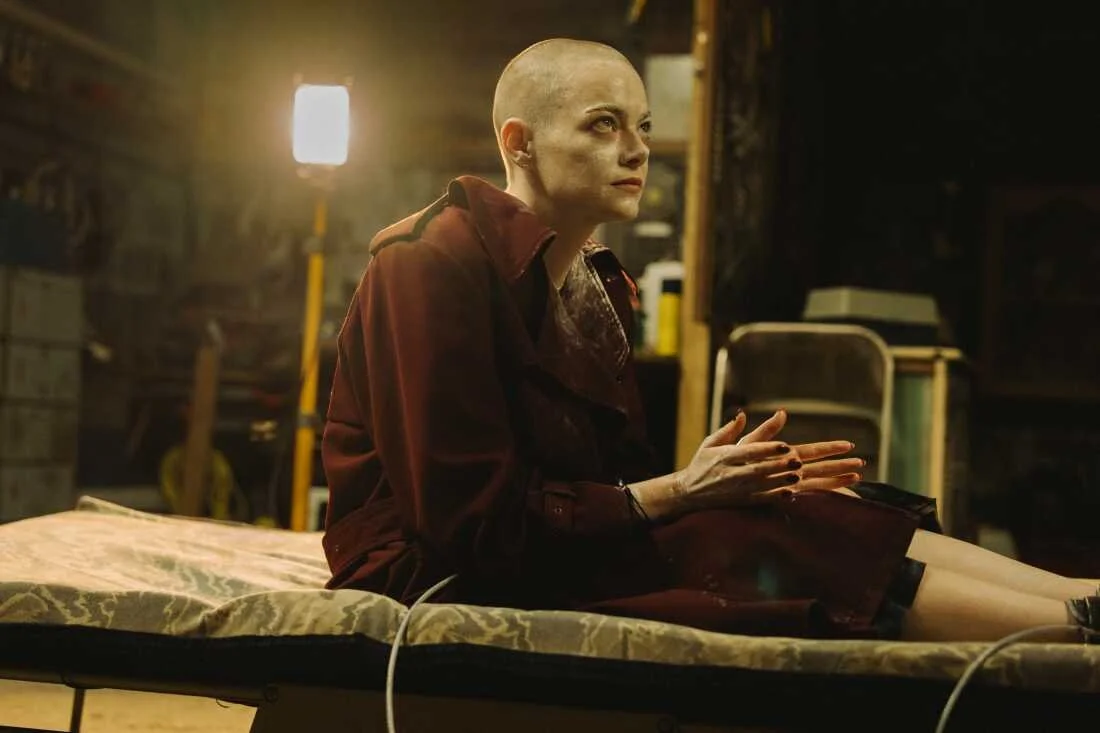
Yorgos Lanthimos's alien-abduction thriller wins its bleakest joke by proving the paranoid guy correct, then making that victory feel like nothing at all.
October 27, 2025 | Miguel Mateo

A gothic monster movie that turns out to be about who gets to be called human at all.
October 26, 2025 | Miguel Mateo
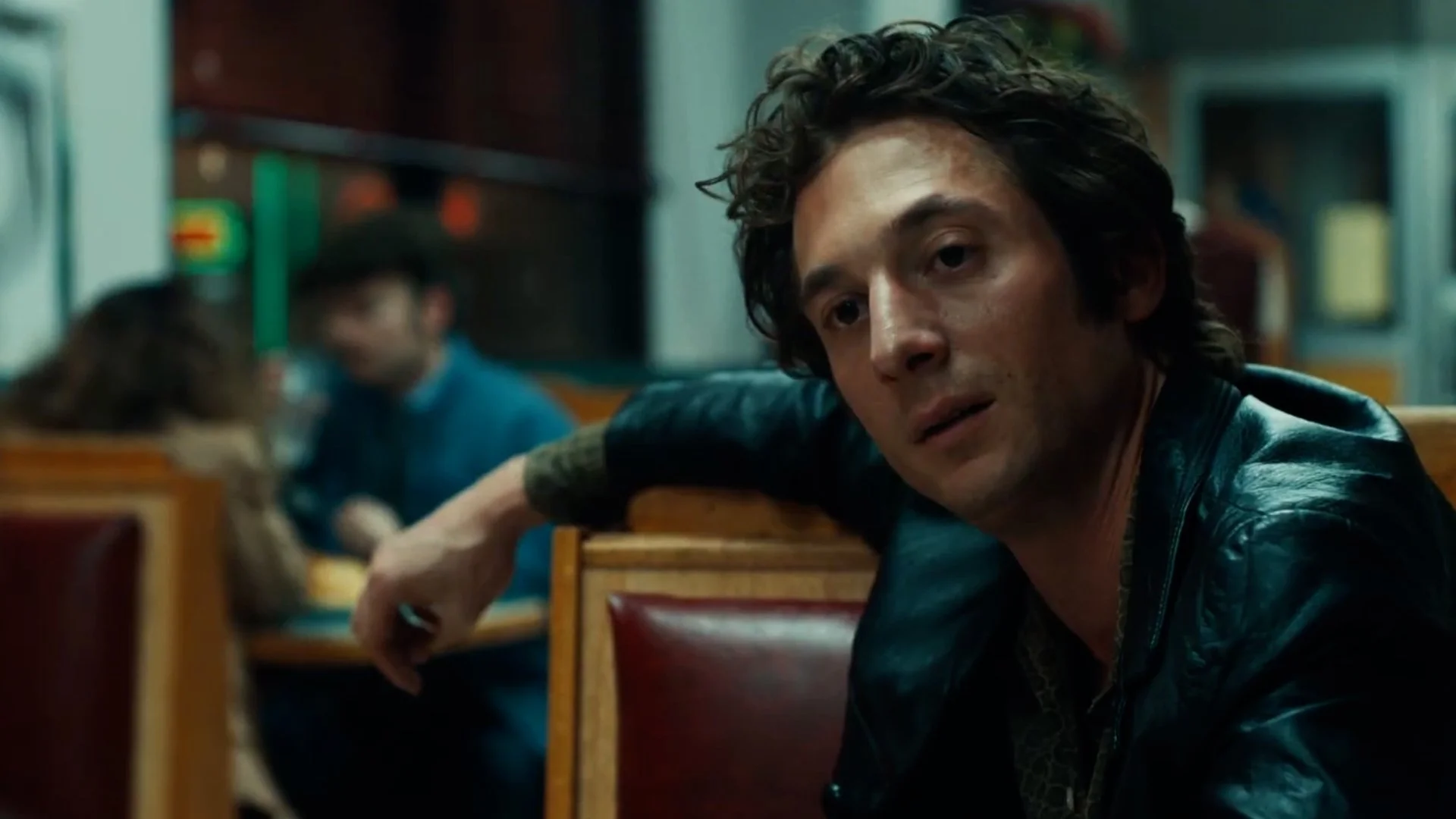
A film about the making of Bruce Springsteen's starkest, most private album keeps reaching for the easiest version of every scene it's in.
October 24, 2025 | Miguel Mateo
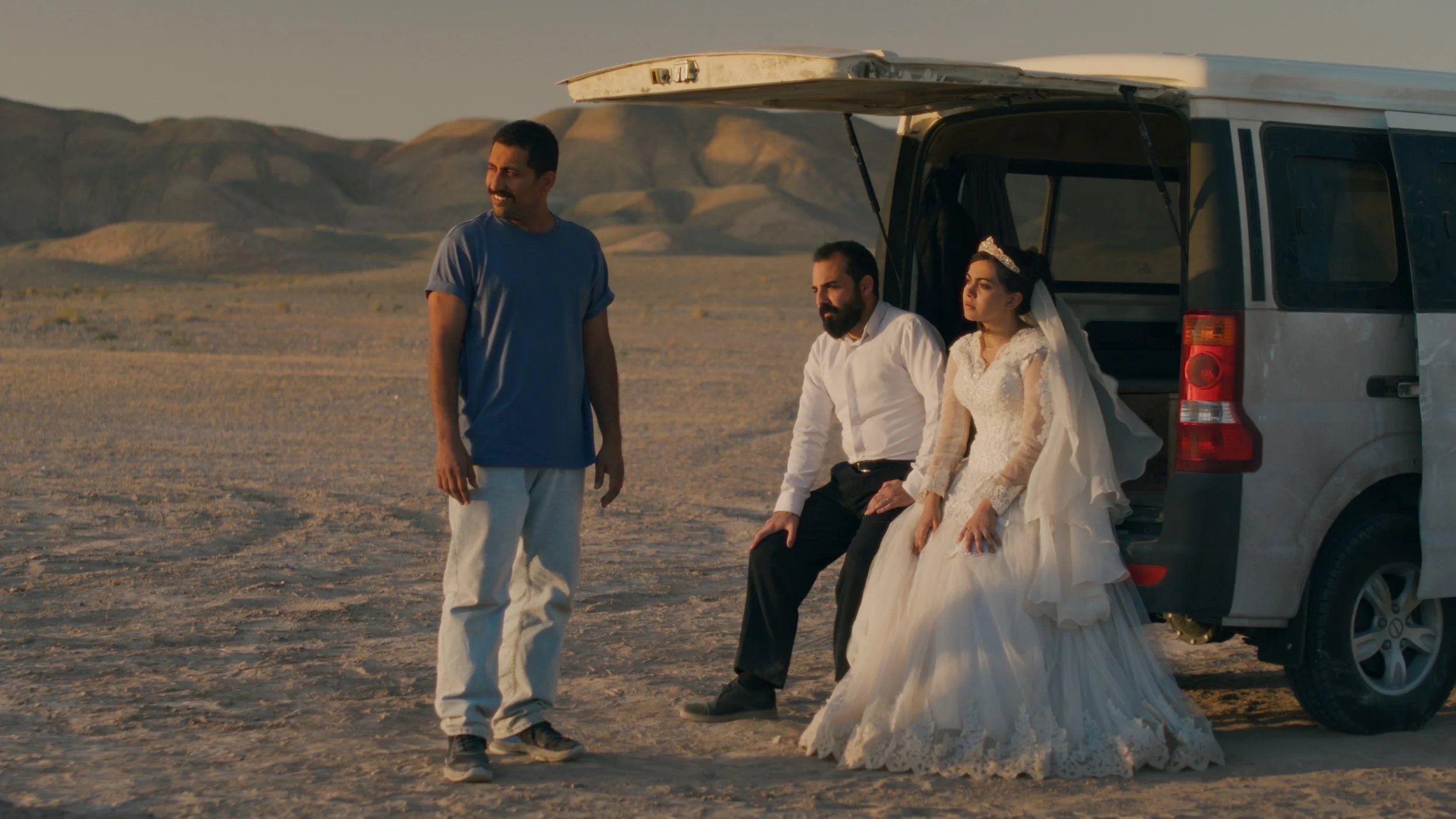
Panahi's Palme d'Or winner earns every ounce of its urgency and still can't quite earn its runtime.
October 17, 2025 | Miguel Mateo
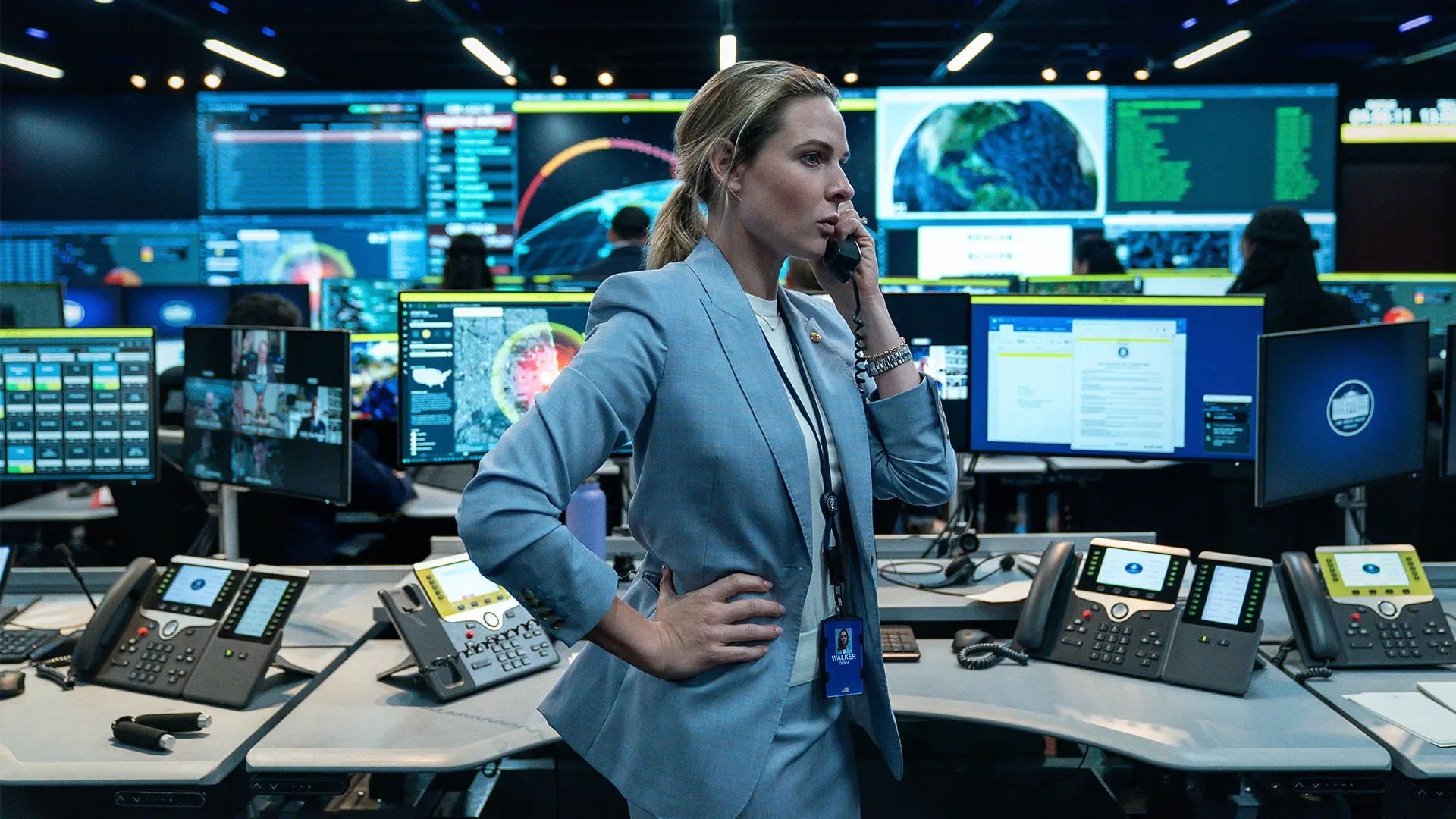
Kathryn Bigelow's nuclear-crisis triptych is her most viscerally effective work in over a decade, even if it stops short of the gut-punch silence she's built her career on.
October 10, 2025 | Miguel Mateo
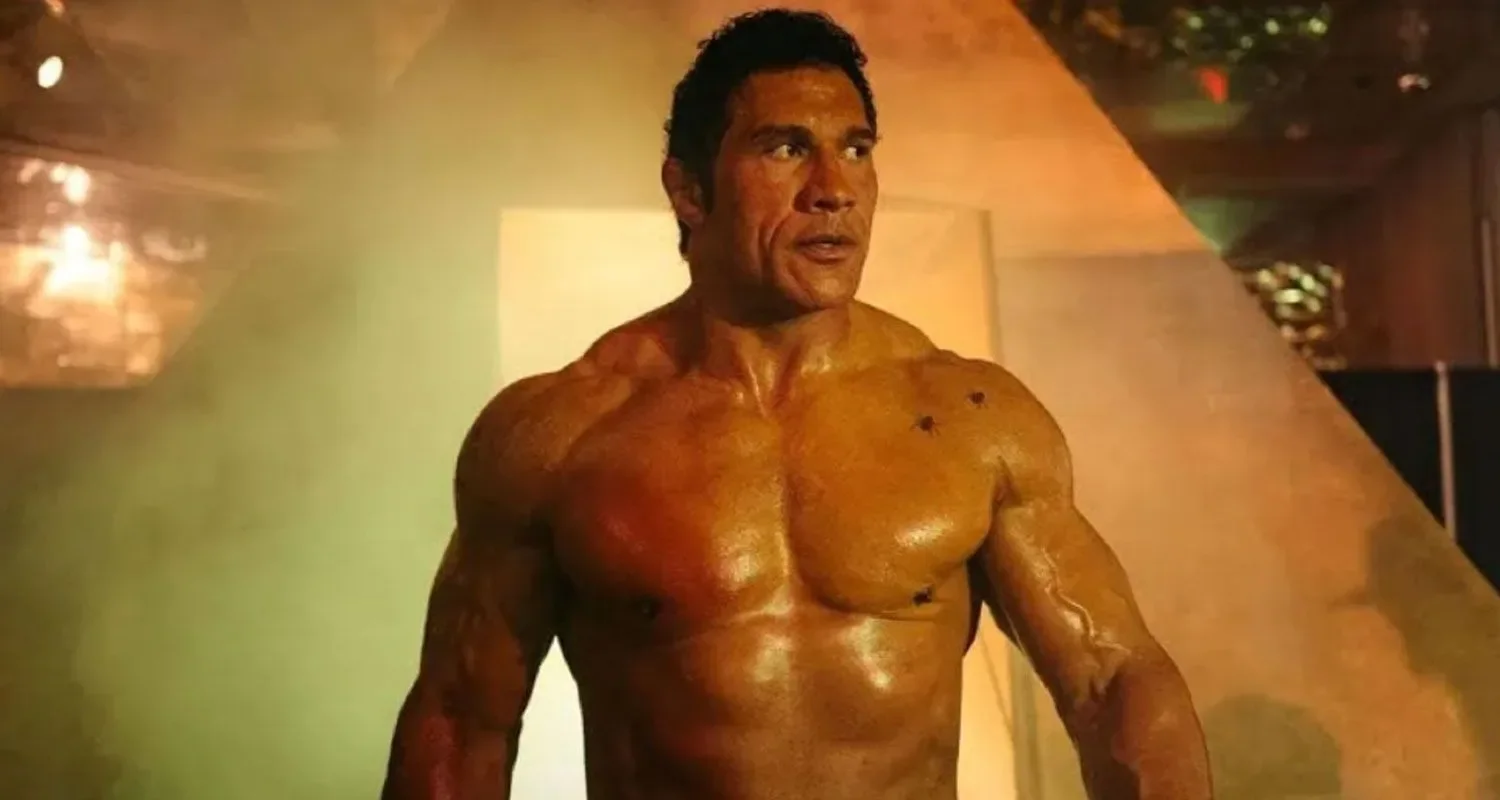
Benny Safdie sets out to dismantle a myth of invincibility and ends up building a hollower one in its place.
October 3, 2025 | Miguel Mateo
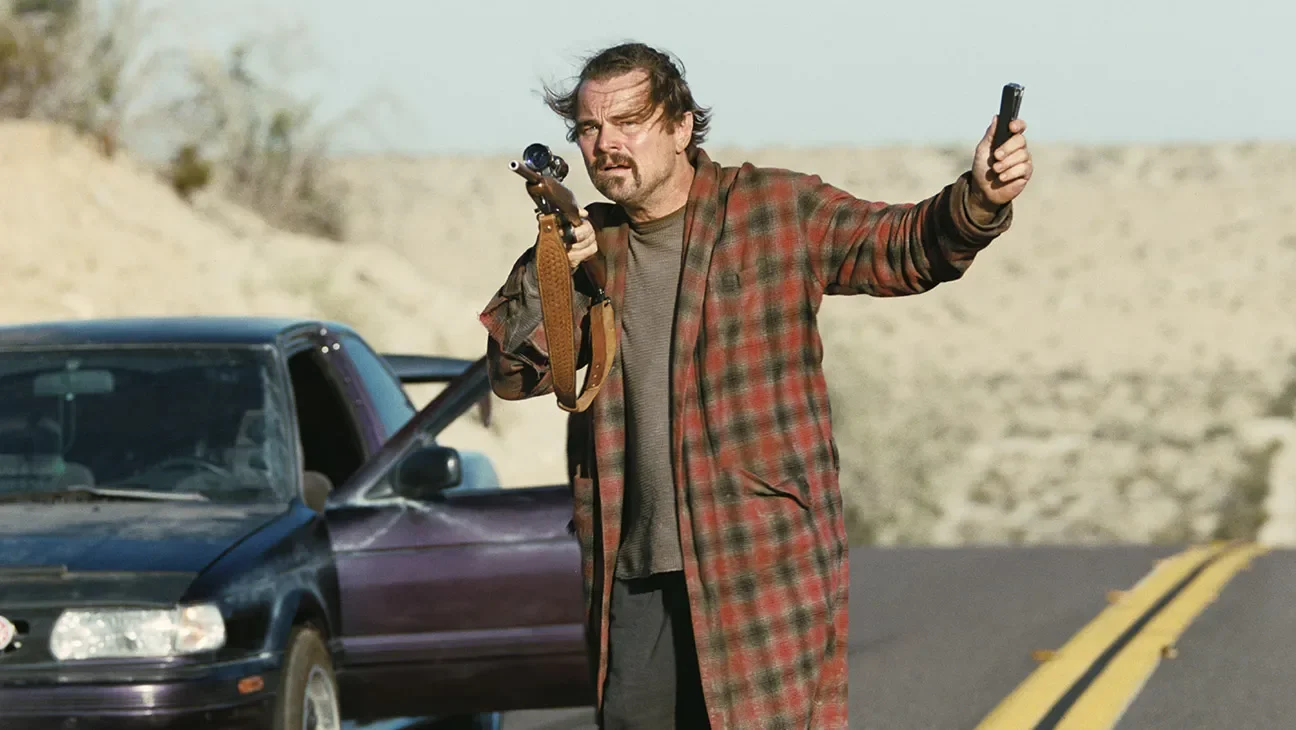
Paul Thomas Anderson's tenth feature turns a father's rescue mission into a reckoning with a movement's afterlife, carried by an ensemble that never stops finding new registers to work in.
September 29, 2025 | Miguel Mateo
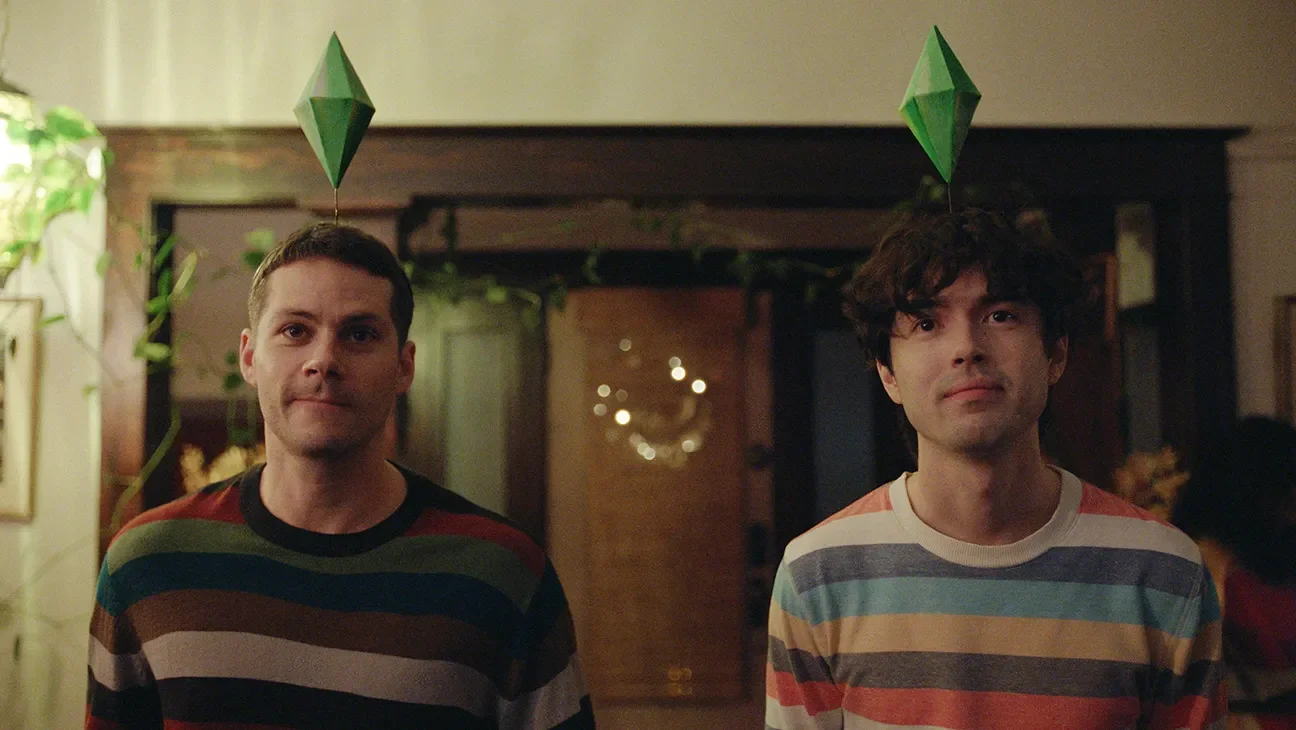
Sweeney's sophomore feature swings from dark comedy to grief to something closer to thriller without ever losing its footing, anchored by a Dylan O'Brien performance that ranks among the year's best.
September 5, 2025 | Miguel Mateo
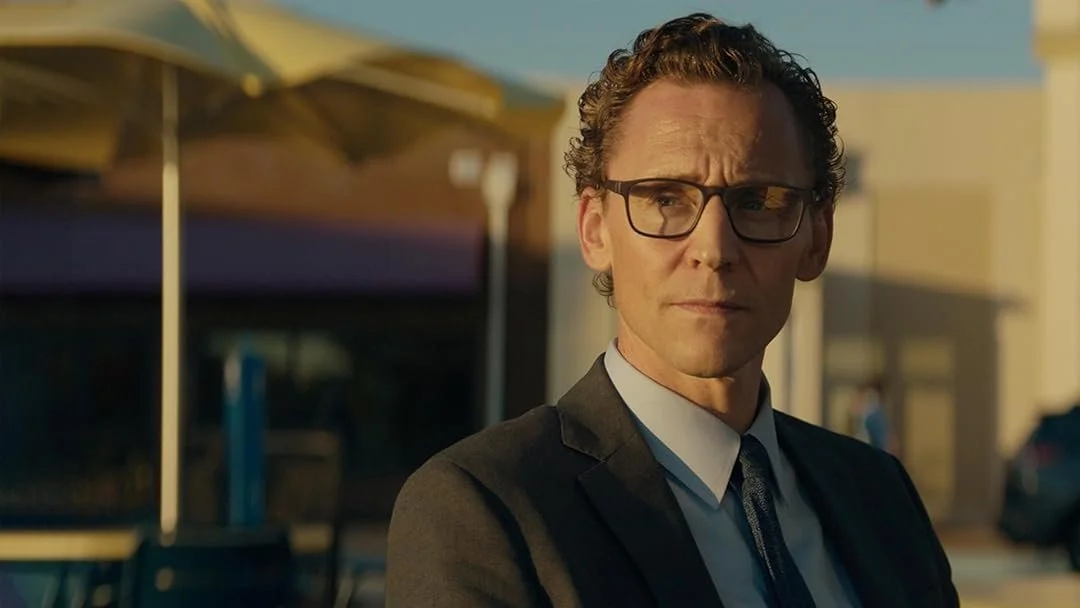
A film so eager to move you that it forgets to earn it.
August 12, 2025 | Miguel Mateo
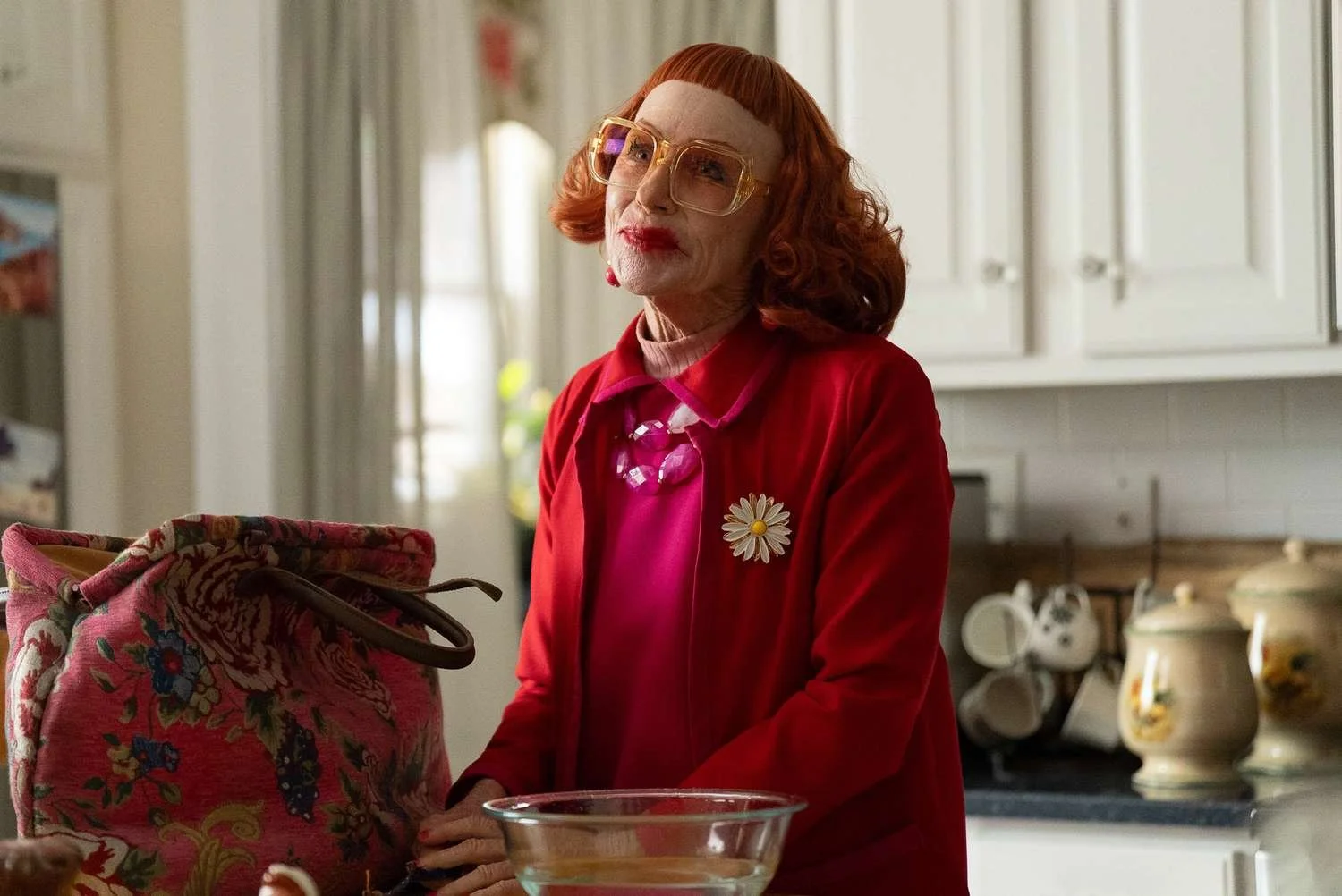
Zach Cregger's ensemble horror is a high-wire act of tone that somehow never falls, and it has Amy Madigan to thank for sticking the landing.
August 8, 2025 | Miguel Mateo
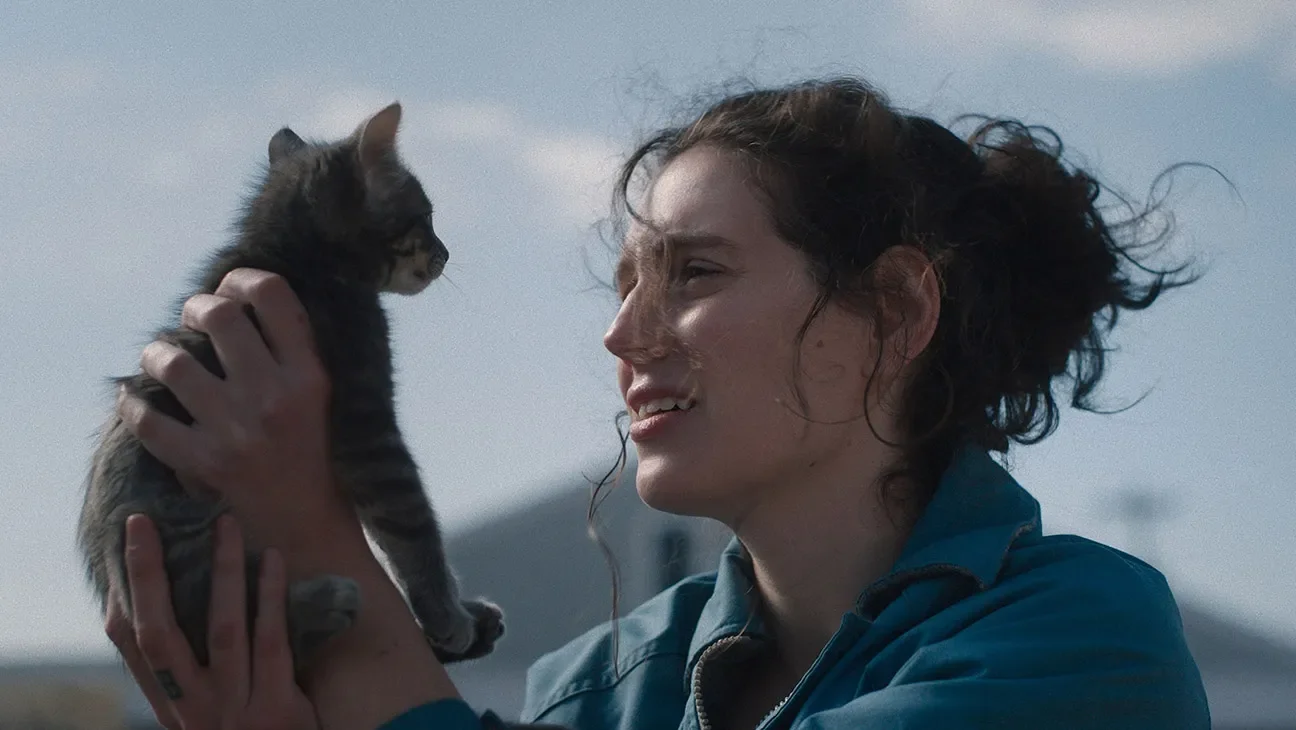
Eva Victor's staggering feature debut surrounds its heroine with a world that keeps getting her slightly wrong, and finds its deepest tenderness in the rare moments when someone finally gets her right.
July 30, 2025 | Miguel Mateo
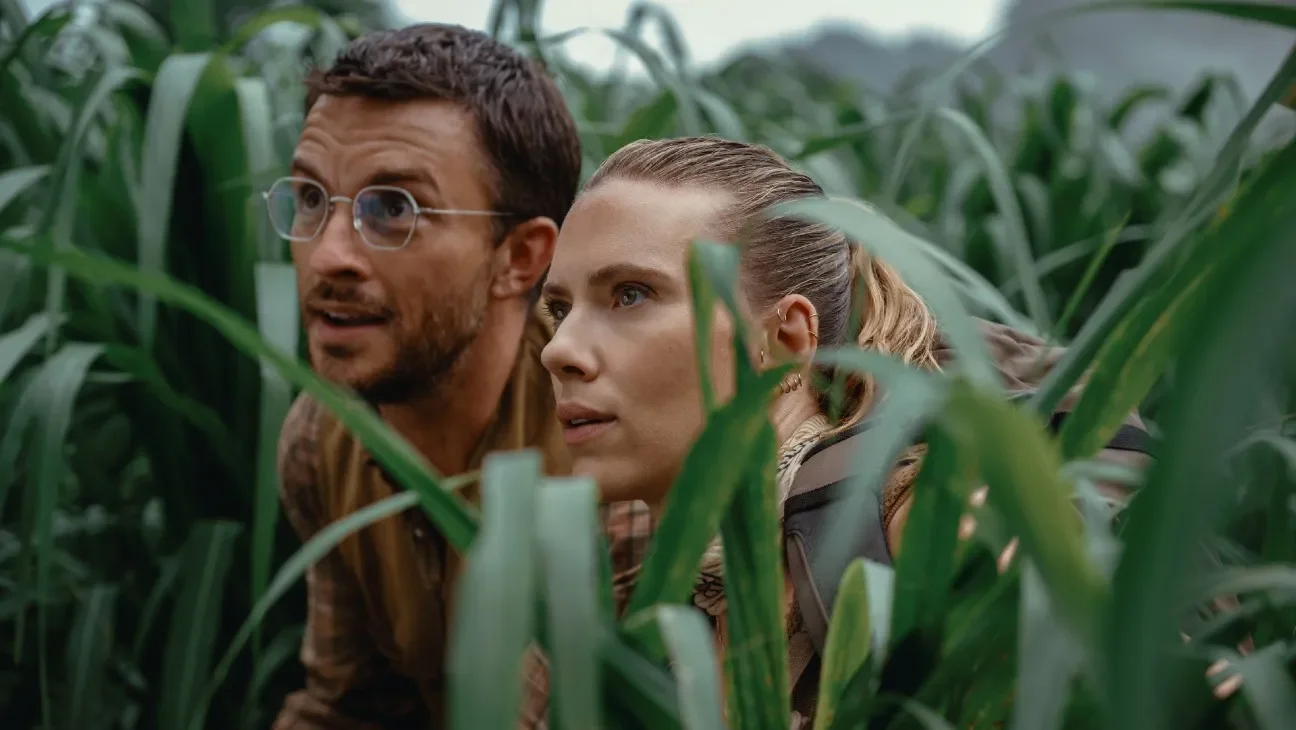
The seventh Jurassic film knows exactly what made the original great, which only makes its inability to recapture it more frustrating.
July 2, 2025 | Miguel Mateo
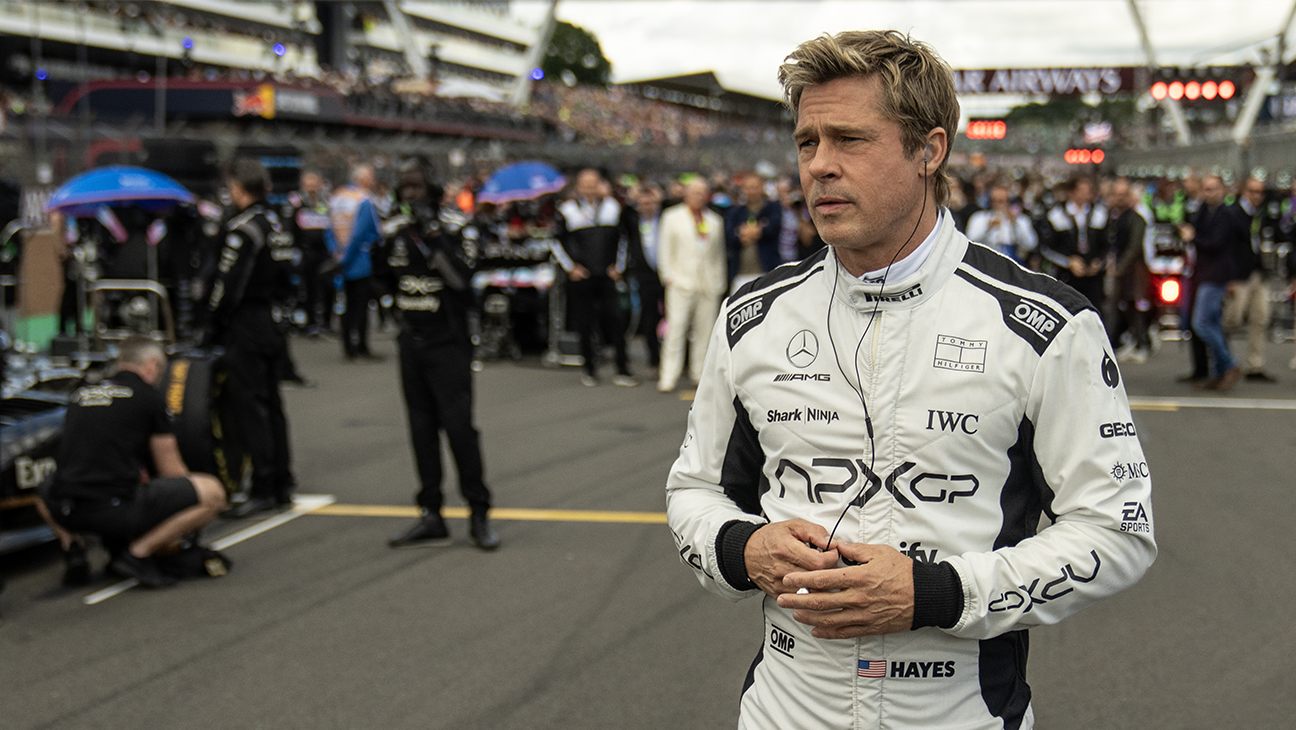
Joseph Kosinski's racing spectacular delivers everything the summer demands and very little of what this genre can actually do.
June 27, 2025 | Miguel Mateo
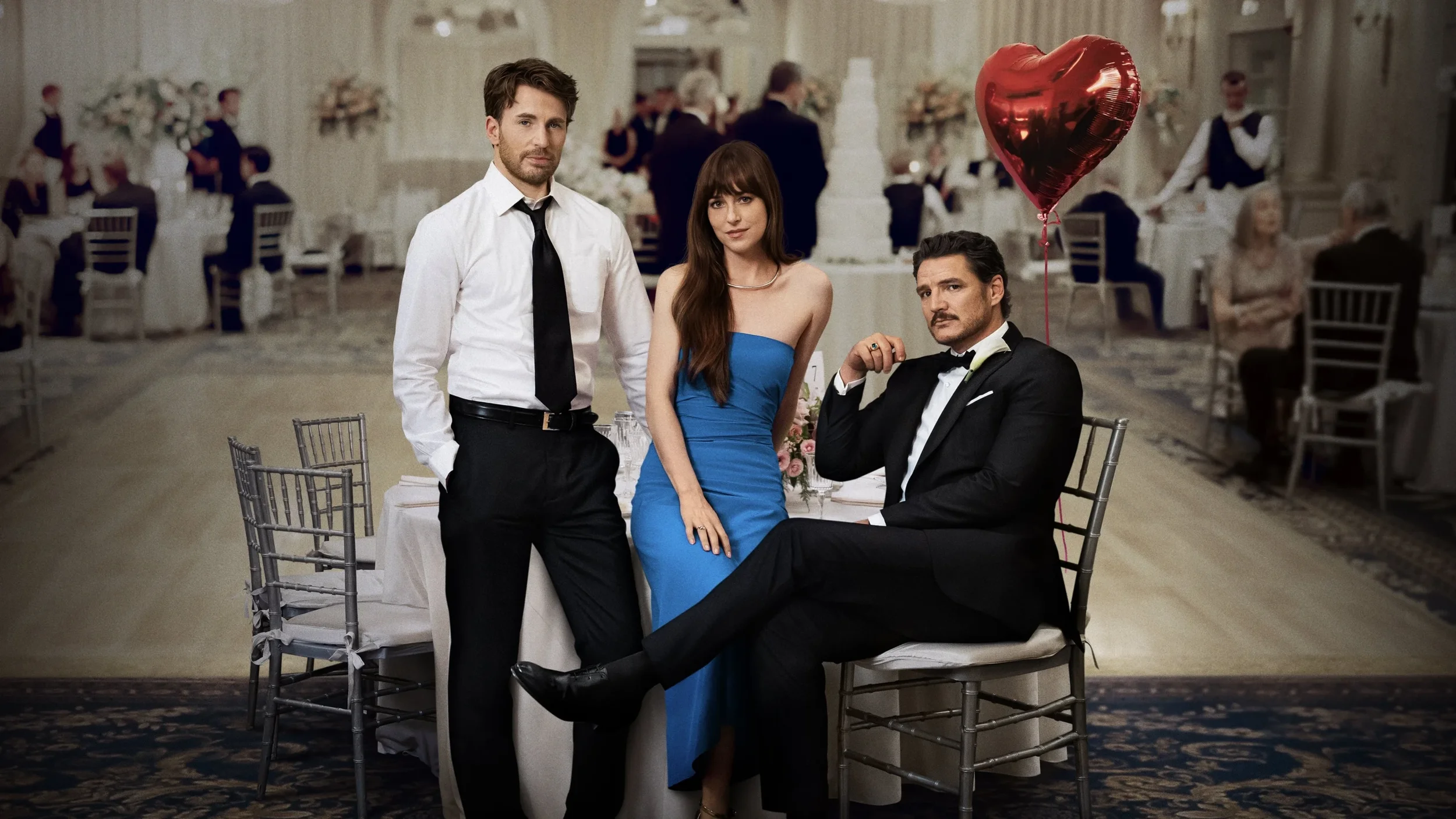
Celine Song's follow-up to Past Lives has two of the most compelling screen presences working today and a script that, at its midpoint, decides one of them is too much trouble.
June 13, 2025 | Miguel Mateo
OTHER LINKS
Link to all podcast episodes.
Links to social media and podcast platforms.
About Me
For much of my life, movies were where I felt most at home. Long before I fully understood myself, I found pieces of myself in the characters on screen. Watching films wasn’t simply entertainment. It was a way to connect with people, emotions, and experiences that often felt slightly out of reach in my own life.
For a long time, I moved through the world feeling as though I were watching my own life from behind glass, like a supporting character in a story that never quite felt like mine. But in the darkness of a movie theater, things were different. Through the journeys of others, I came to understand my own.
It didn’t matter how different their lives were from mine. I noticed reflections of myself in characters across completely different worlds. Through them, I learned to understand not only who I was, but also the people around me. Movies became a way of developing empathy for lives and experiences far removed from my own. Film also became the place where I allowed myself to feel things I had kept buried for a long time. Through these stories, I slowly began to understand myself with greater clarity and compassion.
I first saw myself most profoundly in Ennis Del Mar when I watched Brokeback Mountain during my college years, a time when I struggled deeply to accept who I was. Eleven years later, which seemed like a full circle moment, I watched Barry Jenkins’ Moonlight. Around that same time, I began dating the man who would eventually become my husband. A month later, after years of trying to understand myself, I came out to my family. What once appeared far away finally felt real. At that moment, I realized that my support system of family and friends looked far more like Elio’s in Call Me by Your Name than the isolation I once feared, the kind of loneliness I associated with Conrad in Ordinary People.
Cinema didn’t just shape my love of movies; it also shaped my life. It helped me understand who I was, forgive the parts of myself I struggled with, and eventually learn to love them.